
Tooba Siddiqui
March 12, 2026 • Updated July 9, 2026
14 mins Read
In 2025 and 2026, video content dominates how the audience primarily learns about new products and makes purchase decisions. Most adults spend 60% of their screen time watching long and short-form video content, making it a goldmine for marketing opportunities. That's why video now is more than a tactic; it is the foundation of modern-day digital engagement. Whether you're running consumer campaigns or b2b video marketing specifically, the trends below shape how content gets made, distributed, and measured in 2026.
Top 15 Video Marketing Trends That Will Dominate in 2026
Businesses that employ video marketing strategies have reported exceptional returns, with 93% of them achieving strong ROIs. But this is just the tip of the iceberg: the key to staying competitive is adapting to evolving video marketing trends. We have compiled the top 15 video marketing trends for 2026 to help you structure your video marketing strategies.
1. Multi-Format Videos Drive Engagement
Video content leads the internet traffic. Audience is consuming video content in all formats, across all types of screens, and both long and short-form videos. The surge in this consumption is more about diversity in video formats and publishing platforms than quantity. According to this video marketing trend:
- 82% of global internet traffic will be video.
- YouTube Shorts alone sees tens of billions of daily views.
- Mobile devices account for approximately 75% of all video consumption.
- 66% of consumers identify short videos as the most engaging format.
We consume most of the video content through social media platforms like TikTok, YouTube, Facebook, and Instagram. This means:
- Brands and marketers should optimize for mobile-first and vertical formats.
- Make riveting video hooks, as the audience will swipe away within seconds if you don’t grab attention fast.
- Video content distribution is not restricted to YouTube anymore. In-feed social media content, mobile ads, and short-form video are key engagement drivers.
ImagineArt AI video generator provides a comprehensive set of tools to help you create videos for all formats and video lengths. You can edit, crop, or even select different presets and aspect ratios to meet the platform’s standards and requirements.
2. AI Video Generation & Editing Become the Norm
AI video generation is now core to most video marketing workflows, and ai video marketing trends are accelerating faster than almost any other part of this list. The democratization of video creation helps small businesses create professional-quality video content without hiring experts. Look at these numbers:
- 41% of businesses are using AI to create videos, up from 18% two years ago.
- 51% of video marketers leverage AI for creation/editing workflows as well.
- The global spend on digital video marketing will touch $220 billion in 2026, which is almost 7.7% more than in 2025.
AI video editors and generation tools like ImagineArt
- accelerate content production
- reduce production costs
- and scale personalized ads faster than manual video editors.
Why are these video marketing trends meaningful?
Marketers and branding professionals can now create multiple variations of AI ads and video content in minutes, without going back and forth for approval and revisions.
This normalization of AI video editors and generators frees the creative teams from repetitive tasks such as cropping, captioning, and AV synchronization. It lets them focus on more important aspects of video content marketing, such as storytelling and strategy.
Brands can utilize AI video editors for limitless use cases, like:
Recommended read: Video Editing Tips
3. Short‑Form Video Content Still Dominates Engagement
The explosive growth of TikTok, Instagram Reels, and YouTube Shorts, combined with shrinking attention spans, explains most of short-form video's popularity. As of 2026, short-form video marketing trends aren't a fleeting phase, they're the default mode of video content consumption.
- 21% of marketers believe that short-form video content deliver highest ROI, making it a high-converting video content format.
- Short-form video content expenditure is expected to grow in 2026 and reach upto $122.5 billion.
- 66% of consumers consider short-form video content to be the most engaging format of social media content.
Short-form video content is quite popular among the Gen-Z audience, making it ideal for social scrolling and mobile browsing. These AI videos work exceptionally well with the reduced attention span of current users while maximizing the views, shares, and clicks.
Video content marketing strategy now requires series thinking. The marketers are required to produce multiple short videos that feed into each other and guide viewers through awareness, consideration, and conversion stages.
4. AI Ads Tailored to Users
AI ads might become the new norm in digital advertising, given rapid adoption by big brands like Coca-Cola. With hyper-personalization, scalable outputs, and faster production, brands are gradually inclining toward AI video ad creation tools, and 2026 might be the year this adoption picks up real pace.
- More than 60% of marketers plan to increase their AI ad spend in 2026.
- AI ads reduce production time by 50-70%, letting marketers create multiple variations at a time.
- Personalized AI ads see up to 30% higher click-through rates compared to generic creative.
With AI video ad generators, brands can create personalized AI ads based on user preferences, behaviors, and data. This allows brands to automate A/B testing while optimizing performance in real time. These AI ad creators give brands the creative control to tailor visuals and ad copy for individual user segments, a level of personalization that would traditionally consume a large part of the marketing budget.
With ImagineArt's AI video ad generator, both large brands and small businesses can scale their marketing strategy with multiple ad variations and keep campaigns fresh.
Recommended read: How to Make Video Ads with AI
5. AI Influencers and Virtual Creators
As the creator economy expands, so do AI influencers. Digital personas with AI characters, visuals, and voices are actively being employed to lead campaigns, social conversations, business pitches, livestreams, and even rival actual human influencers in terms of engagement.
- The global influencer marketing industry is estimated to exceed $24 billion in 2026, with AI influencers taking up a significant share of this spend.
- Marketing campaigns with AI influencers show 15–25% higher engagement in certain demographics.
Brands prefer AI influencers because of the consistent and around-the-clock presence without encountering any availability or scheduling conflicts. This allows brands to promote their products and services in different regions with consistent brand alignment.
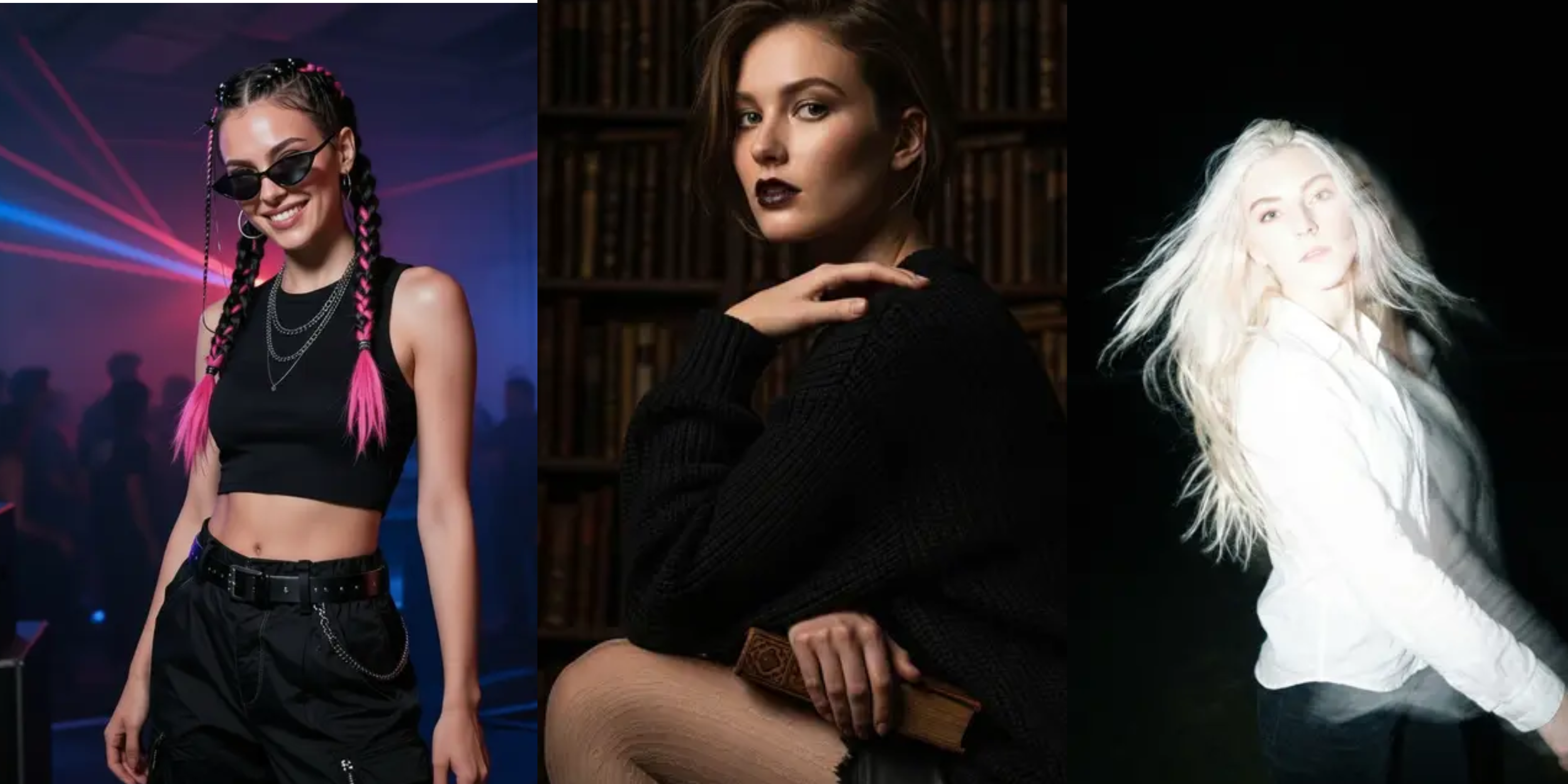
With ImagineArt AI influencer, marketers can create realistic virtual creators for multi-format content to improve engagement across social media, websites, and advertising channels.
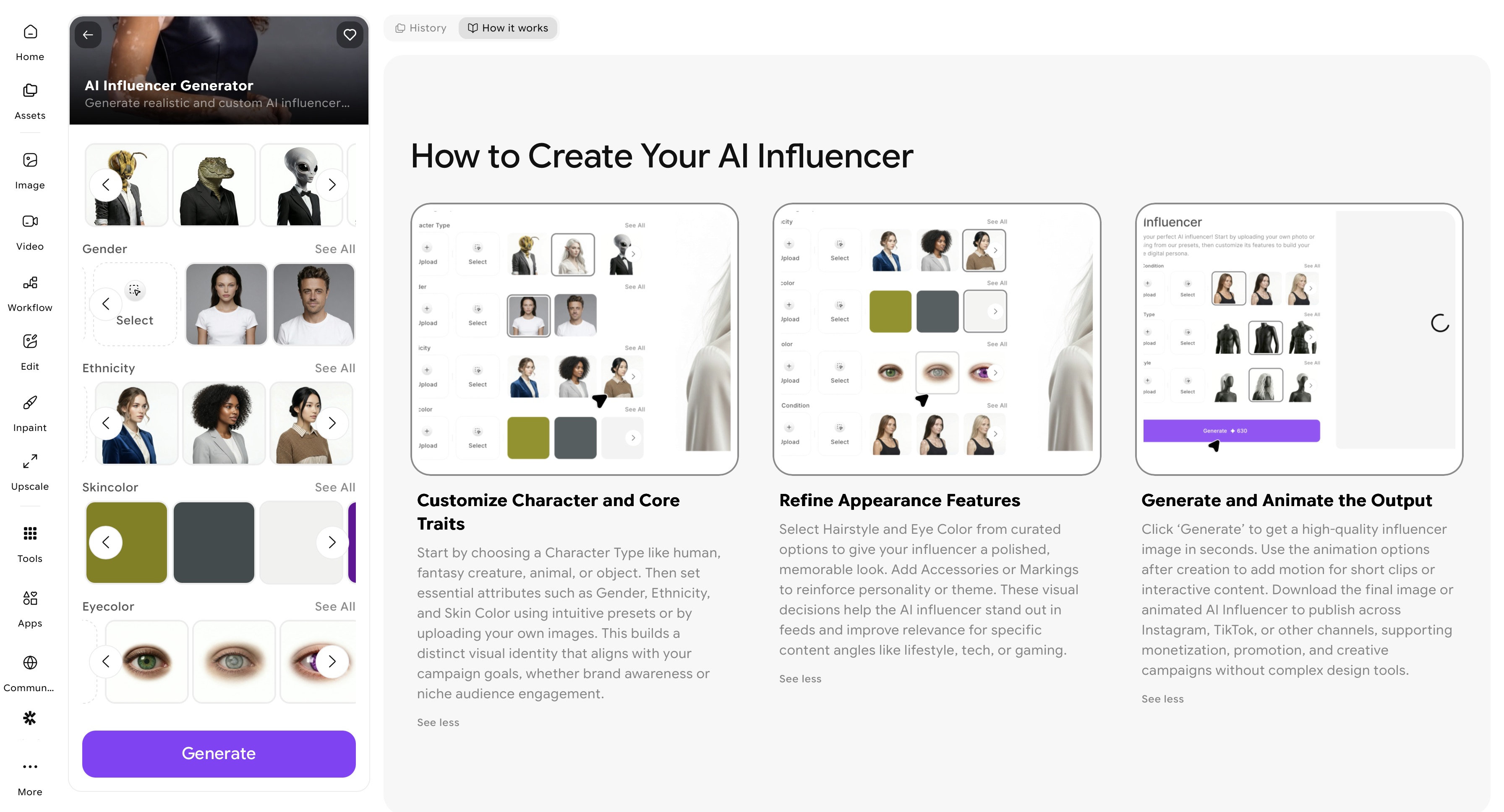 ImagineArt AI Influencer app dashboard
Recommended read: How AI Influencers Make Money
6. Motion Transfer & AI Motion Control Videos
AI motion control allows marketers and creators to animate static images into dynamic videos without using any animation software. With AI motion control, brands can create clips following the viral trends or apply dynamic motion effects in creative ways.
- Motion-controlled videos increase viewer engagement by up to 30%, especially when combined with short-form or interactive formats.
- Companies using AI video and motion for product demos or storytelling report higher retention and conversion rates compared to static or traditional videos.
AI motion control is quite effective in creating product demonstrations, visual storytelling, and content repurposing. It allows marketers to showcase their product from different angles and optimize video content for multiple formats and platforms.
With ImagineArt AI motion control, brands can enhance product stills with motion enhancements that grab attention in the first few seconds without requiring any editing expertise.
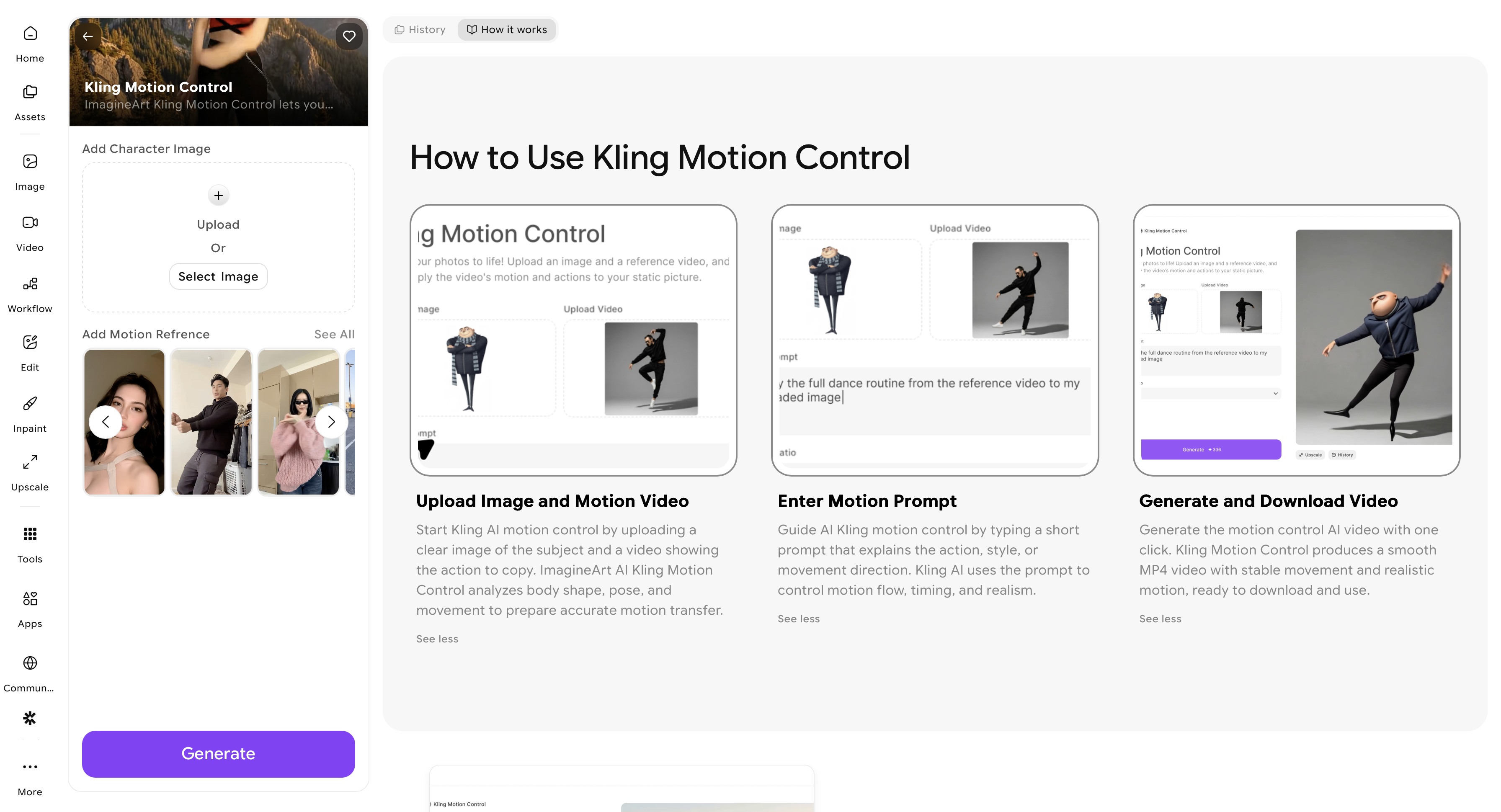 ImagineArt Motion Control app dashboard
7. AI Face Swap
AI face swap takes video content personalization to the next level. Brands can now easily swap and adjust faces to create memes, video content, and even AI UGC ads. AI face swap apps simplify video content localization and build relevance. The on-screen spokesperson can easily be swapped with someone who resonates with the audience of a particular demographic.
- The Global Face Swap Apps Market is expected to reach up to USD 17.8 billion by 2034, representing a CAGR of 13.20% during the forecast period from 2025 to 2034.
- In the last few years, the image-based face swap apps dominated the market with more than 55% of the total share.
- In the US, the face swap app market is expected to grow at a stronger pace with a CAGR of 11.6%. The estimated value of this market in 2024 was around $1.8 billion.
Personalized video content performs well compared to generic creative videos. Audience engages more with the content that feels relatable and relevant, be it the language, cultural cues, or representation.
With ImagineArt AI Face Swap app, brands can repurpose the same AI ad into different cultural versions and produce regionally tailored video content.
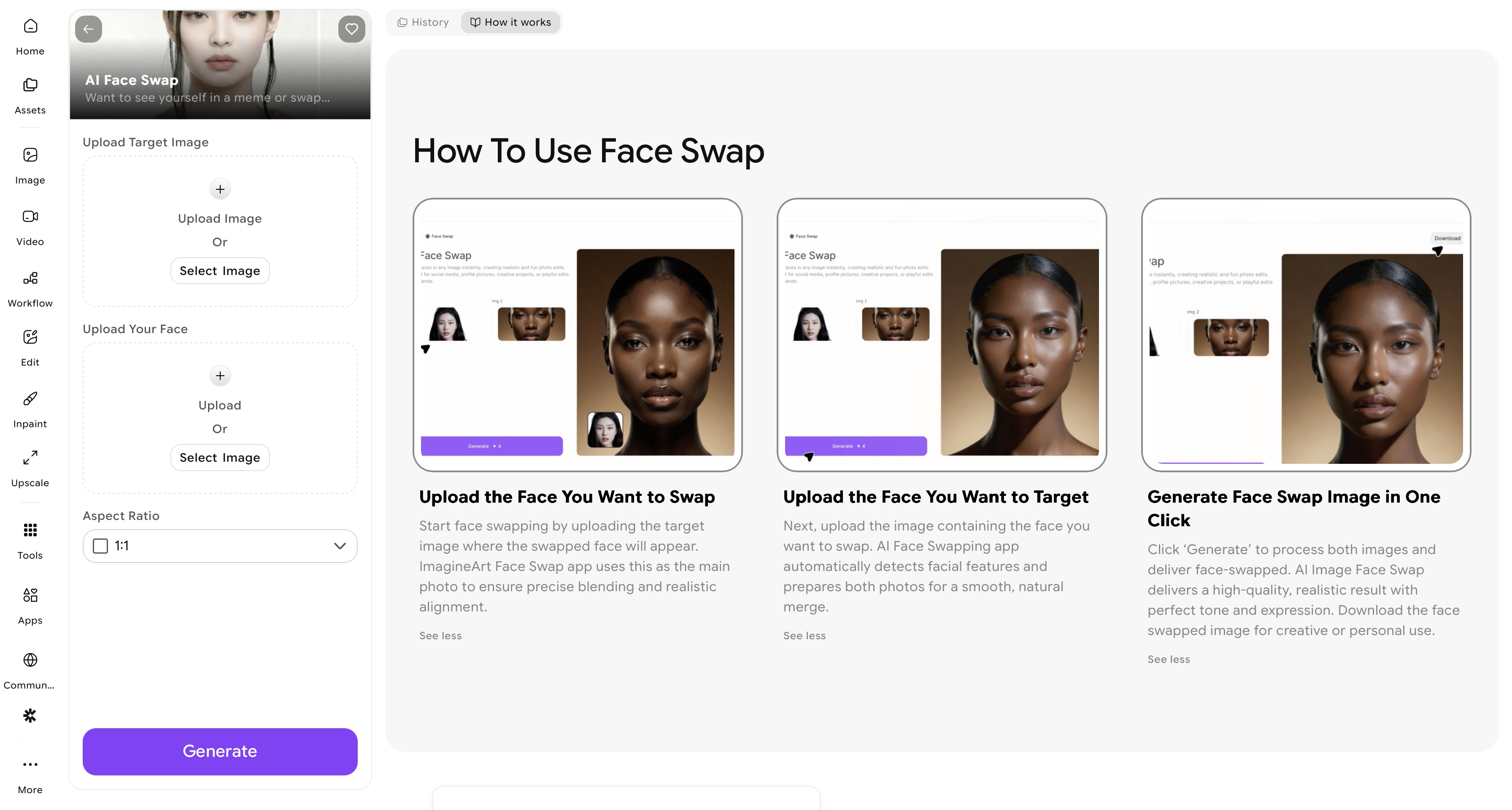 ImagineArt AI Face Swap app dashboard
Recommended read: AI Face Swap Trends
8. AI UGC Takes Center Stage
Authenticity defeats video quality and will continue to remain the currency of users’ trust. UGC builds credibility. Brands that utilize UGC-style content have more conversions and engagement than traditional ads. UGC-style video content narrates the real user experience, which makes it more relatable and trustworthy.
- Around 85% of online consumers consider UGC to have greater influence than brand videos and images.
- Almost 92% of consumers believe the reviews and testimonials more than advertisements.
- The global UGC market is valued at around $5.6 billion, which is expected to reach more than $30 billion in the coming years.
With AI UGC, brands can now incentivize customers to submit their experience videos and highlight UGC in video marketing campaigns. With ImagineArt AI video editor, marketers can convert long testimonials into short clips, add motion and captions, or resize for different platforms. This helps create authentic content with optimized delivery, massive engagement, and lower costs.
Recommended read: How to Make UGC Ads with AI
9. Multi‑Length Video Campaigns
One video doesn't fit all creative needs. Audiences consume video content across different platforms, screens, and attention spans, which requires a campaign architecture built for multiple formats and lengths from the start.
- As of 2025, TikTok videos longer than a minute got 63.8% more watch time than videos between 30 and 60 seconds.
- As of 2025, videos 30 to 60 minutes long worked well for converting viewers.
Consumers interact with brands at different stages of awareness:
- 3-10 seconds: scroll-stopping awareness clips
- 15-30 seconds: consideration-stage ads
- 60-120 seconds: product education or testimonials
- 3-10 minutes: deep dives, webinars, or storytelling
Instead of building separate assets for every length, marketers now prefer creating one core asset and using AI to generate tailored variations. This is especially relevant for b2b video marketing, where a single webinar or product demo often needs to become a 15-second teaser for LinkedIn, a 2-minute explainer for a landing page, and a full recording for sales enablement, all from the same core footage rather than three separate shoots.
This approach improves conversion rates and cross-platform effectiveness. With ImagineArt's Workflow, marketers can produce vertical, square, and horizontal variations simultaneously, generating longer cuts for YouTube or landing pages, shorter versions for Stories and Reels, or personalized ad experiences.
Recommended read: AI Workflow Tool for Creative Teams
10. Episodic Video Series Over One‑Off Clips
When it comes to video marketing, marketers need to nail user attention, and what better way to keep them hooked than building a sense of anticipation? Instead of producing isolated promotional content and AI video ads, brands are now moving towards video series. The episodic video content builds familiarity and ensures the audience returns to it consistently.
Types of Brand Video Series
-
Educational Series
Weekly how-to videos or industry insights.
-
Customer Spotlight Series
Real user stories in short, digestible episodes.
-
Founder Diaries
Transparent business journeys that build trust.
-
Entertainment-Based Micro-Series
Story-driven short-form narratives aligned with brand identity.
-
Live Recurring Shows
Scheduled livestreams with Q&A or product drops.
Why It Works
Humans are wired for storytelling. Serialized content creates:
- Anticipation
- Emotional investment
- Stronger brand recall
- Community engagement
Video series converts passive viewers into regular viewers. Planning a video series helps you to scale content faster without recreating video content outlines each week. On social media platforms, the episodic video content performs better because of regular and consistent uploads and sustained engagement.
11. Video Commerce: Shoppable & Interactive Videos
Video commerce is one of the growing trends of the current era, with video content becoming a direct sales channel. Shoppable videos let users explore the product, its features, and make a purchase without switching to a different tab. This video content shortens the buyer’s journey and gives them a seamless experience.
- Around 48% of users take necessary action after watching a product-related video.
- Stories with video content generate 25% more purchase completions than photo-only stories.
- Almost 50% of Instagram users discover new brands and products via reels.
Platforms that support short-form video content are driving this shift towards shoppable videos. Such video content is particularly effective for promotion limited time offers, fashion brands, lifestyle products, and beauty products. Brands are integrating this by using in-video product tags, embedded checkout features, live shopping, and product hotspots to make transactions easier.
Shoppable videos help brands increase conversion rates, increase user interest, track ROI from video marketing, and generate more revenue for organic content.
12. Search‑Optimized Video & AI SEO
Search engines now index and rank video content more often than text or image-based content. Video content is no longer confined to limited platforms or social media; it has now become a powerful and reliable search asset.
- Video content results in a 157% increase in organic traffic from search engines.
- Google uses video thumbnails in 26% of search results.
Video content is gaining visibility in search results, recommendations, and featured snippets. Consumers now rely on video content as a key research tool for learning about products, finding the right solution, or exploring services and tutorials.
For search-optimized video content, the marketers need to use:
- Keyword-rich titles and descriptions
- AI-generated transcripts and captions
- Structured metadata and schema markup
- Clear thumbnails with compelling visuals
- Platform-specific keyword targeting
Unlike paid campaigns that depend on a budget, SEO-optimized video content can increase organic traffic and sustain it for months or even years.
13. Interactive Video Elements
Bearing the risk of repetition, it cannot be overstated: attention spans are shrinking. This requires the marketers to figure out ways to keep the audience hooked. Traditional watch-only video content isn’t effective enough to compete for the attention of the ceaselessly scrolling audience. That’s why incorporating interactive video elements can help marketers stay ahead. Add clickable hotspots and embed quizzes and polls to improve video content effectiveness. However, make sure not to overwhelm the user with interactive elements. Position them thoughtfully across the videos and optimize for both mobile-first and desktop users.
14. Hybrid Human + AI Production Workflows
The future isn’t humans against AI, it’s human collaboration with AI. Using a plethora of AI video generation and editing tools often leads to workflow challenges. In 2026, marketers will prefer platforms that offer a centralized workflow, handling video creation, editing, personalization, and team collaboration.
Marketing teams are combining creative strategy with AI efficiency:
- Humans craft stories, themes, and brand voice
- content at scale tools like ImagineArt Enterprise execute tasks like editing, captions, resizing, tagging, and repurposing
This hybrid workflow speeds up video content creation without sacrificing quality or creativity. For b2b marketing teams specifically, this matters even more: sales, product, and marketing often need to collaborate on the same video asset, and a centralized workflow keeps everyone working from one shared source instead of scattered files across separate tools and approval chains.
15. Storytelling
Storytelling remains the cornerstone of video marketing. While these evolving video marketing trends are valuable for strategic reasons, storytelling will become more critical. In 2026, a brand that can connect with its audience emotionally will dominate all the trends.
- Around 87% of marketers reported an increase in their websites’ dwell time for narrative-led video marketing.
Storytelling work well with multi-format video content strategies. A single strong narrative can be repurposed into a hero section video, testimonial clip, or even used in product launch videos. Most of these video marketing trends are employed for tactical reasons, storytelling is what gives these tactics a meaning.
In 2026, a brand that can connect emotionally with its audience and produce resonating stories will outperform competitors chasing trends without substance.
That’s how the brand will turn views into trust, and trust into revenue.
How Can Marketers Apply These Video Marketing Trends?
Now that we’ve explored the video marketing trends, let’s turn them into action.
1. Start With Mobile‑First & Short-Form Content
Short, vertical videos should anchor your strategy. Because mobile users account for most video content consumption. Ignoring short‑form video content means ignoring a significant amount of conversions. Focus on the first few seconds and deliver a riveting hook.
2. Use AI to Produce, Scale, and Personalize
Use AI tools like ImagineArt AI video generator and AI video editor to:
- Batch produce variations
- Create multilingual versions
- Resize for platform specs.
It lets you create more and better-quality video content in less time.
3. Mix Lengths for Multiple Funnels
Not all videos serve the same purpose:
- Short for awareness
- Mid-length for tutorial and education
- Long-form for deep engagement or testimonials
Repurpose your video content to fit the requirements of different audiences and, for B2B teams specifically, different stages of a longer sales cycle.
4. Blend Authentic UGC With AI Polish
Customer testimonials are a game-changer, and enhancing them with AI video tools can help you create a professional-quality video marketing asset. Make sure visual elements, color palette, and tone align with your brand voice.
5. Leverage Data to Iterate Faster
Use analytics to:
- Identify top-performing hooks
- Test formats and lengths
- Refine based on watch time and conversions
This closes the feedback loop and empowers continuous improvement.
Recommended read: Best AI Marketing Tools
Ready to Create Video Content for Marketing?
Video marketing trends will continue to evolve and change with AI automation leading the industry. Adapting these trends isn’t about sticking to the dos and don’ts but delivering what your audience requires.
With ImagineArt, marketers can create publish-ready video content, resize existing footage for different platforms, or add elements to improve visual appeal. Optimize your video content performance across different channels and win your audience's attention, without inflating budgets.
Tooba Siddiqui
Tooba Siddiqui is a content marketer with a strong focus on AI trends and product innovation. She explores generative AI with a keen eye. At ImagineArt, she develops marketing content that translates cutting-edge innovation into engaging, search-driven narratives for the right audience.