Tooba Siddiqui
November 6, 2025 • Updated June 11, 2026
11 mins Read
UGC ads consistently outperform polished brand creative on paid social — and AI now makes it possible to produce them at the scale performance marketing demands. This guide covers what UGC ads are, why AI UGC is replacing traditional creator sourcing, and how to make UGC ads using ImagineArt's AI tools from concept to deployed creative.
What is a UGC Ad?
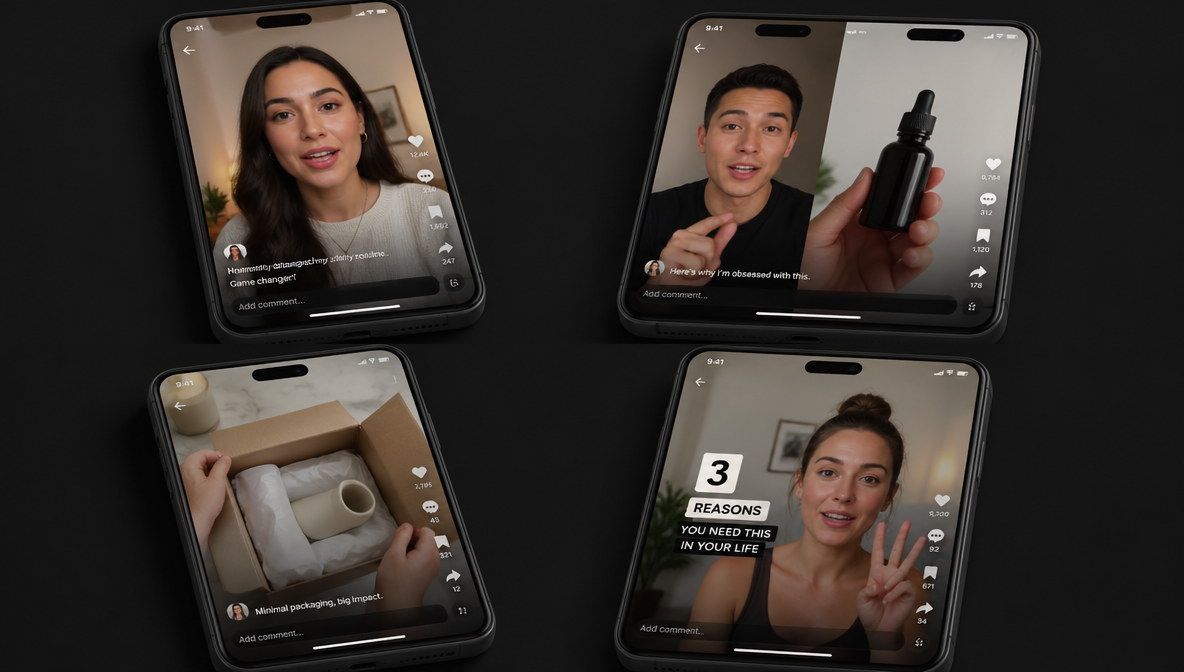
A UGC ad is a short-form video or image that mimics organic, creator-style content — product reviews, testimonials, unboxings, or lifestyle clips — used in paid social campaigns. Unlike polished brand advertising, UGC ads are designed to feel authentic and platform-native, matching the visual language of organic content on TikTok, Instagram Reels, and Meta.
User-Generated Content (UGC) includes videos, images, reviews, and posts created and published by any product consumer. Most UGC videos cover user experiences, POVs, and reviews of a product or service — and they work because audiences trust them. According to Nielsen, 92% of consumers trust peer recommendations and earned media over brand advertising, making UGC one of the highest-trust content formats in paid social.
While UGC marketing is on the rise, the demand for trustworthy UGC creators is equally high. A UGC creator is anyone who creates content about your product or service — an influencer, a customer, or even AI. Since UGC creators don't follow a rigid script, their content adds authenticity that brand-produced ads can't replicate. The key to leveraging UGC marketing is that it needs to feel relatable and resonate with the audience.
Read our complete guide on how to become a UGC creator.
Why Use AI to Create UGC Ads?
AI UGC is content that uses AI-generated avatars, voiceovers, and visuals to replicate the look and feel of real user-generated content — allowing brands to produce UGC-style ads at scale without booking creators, negotiating rates, or waiting on delivery turnarounds.
AI UGC couples the authenticity of UGC marketing with the efficiency of AI tools. Here's how AI UGC is benefiting marketers and businesses:
Speed and Scalability AI UGC tools enable faster generation and rapid iteration. You can create multiple videos, images, and even marketing workflows using AI tools — reducing production time from days to minutes. Where a traditional creator brief-to-delivery cycle takes 3–7 days per video, AI UGC produces a complete ad in under 30 minutes.
Pocket-Friendly Traditional UGC creator pricing ranges from $150 to $500 per video, excluding usage licensing and revision rounds. AI UGC production costs as little as $5–$30 per video — making high-volume creative testing financially viable without agency budgets.
Realistic UGC Content AI UGC tools employ cutting-edge algorithms and AI video models to generate realistic visuals based on the provided script. From photorealistic visuals to cinematic ads and true-to-life voiceovers, AI UGC can create production-ready ads and videos.
Brand Consistency It is quite challenging to maintain a consistent brand voice across different platforms when working with multiple UGC creators. With AI UGC, you can instruct the AI about the voice, tone, mood, and style, and the AI tool will ensure consistency — regardless of how much UGC content you generate.
Customization AI UGC comes with features to control the entire narrative, from spoken words and tone to duration and visual style. This flexibility lets you create multiple videos without any manual tweaking or adjustments.
Comparison: Real UGC vs AI UGC
| Traditional UGC | AI UGC | |
|---|---|---|
| Cost per video | $150–$500+ | $5–$30 |
| Turnaround time | 3–7 days | Under 30 minutes |
| Brand control | Low — creator-directed | High — fully controlled |
| Volume | Limited by creator availability | Unlimited |
| Format adaptation | Manual resize per platform | Automated multi-format output |
| Consistency | Varies by creator | Identical across all variants |
Recommended read: Real UGC Creators vs AI Avatars
How to Create UGC Ads with ImagineArt
Here’s how you can create AI UGC videos and ads with ImagineArt AI creative suite:
Step 1: Define Your UGC Concept
First, have a clear idea of the type of UGC ad you want to create. Your format choice should match your campaign objective:
- Product review: Narrates user opinions about your product or service. Best for driving purchase consideration — works well for skincare, tech, and subscription products.
- Testimonial video: Showcases a personal user experience. Use when social proof is your primary conversion lever — services, SaaS, and health and wellness brands.
- Explainer or tutorial: Features AI avatars highlighting key product benefits in a step-by-step format. Effective for products with a learning curve — apps, tools, and kitchen gadgets.
- Lifestyle content: Shows your product improving the user's daily life. Best for aspirational categories — fashion, fitness, food and beverage.
Before moving to production, define: your target platform, ad duration (15, 30, or 60 seconds), hook approach (question, bold claim, or problem-first), and the single product benefit to lead with.
Step 2: Image or Video UGC Content Creation
AI Image Generator: For Static UGC Ads
- Start by writing a detailed prompt, including specific and clear instructions for the main subject, background, settings, poses, themes, visual style, and color palettes.
- Next, select the AI image generation model, aspect ratio, and number of generations. ImagineArt AI image generator offers a set of different models, including Nano Banana, Imagen 4, ImagineArt 1.0, Seedream v4, and more.
- Click generate, and AI will produce a tailored UGC ad image. You can edit by reiterating the prompt for adding subtle variations.
- You can edit the UGC ad visual on ImagineArt AI image editor and refine the quality, and add different filters and effects.
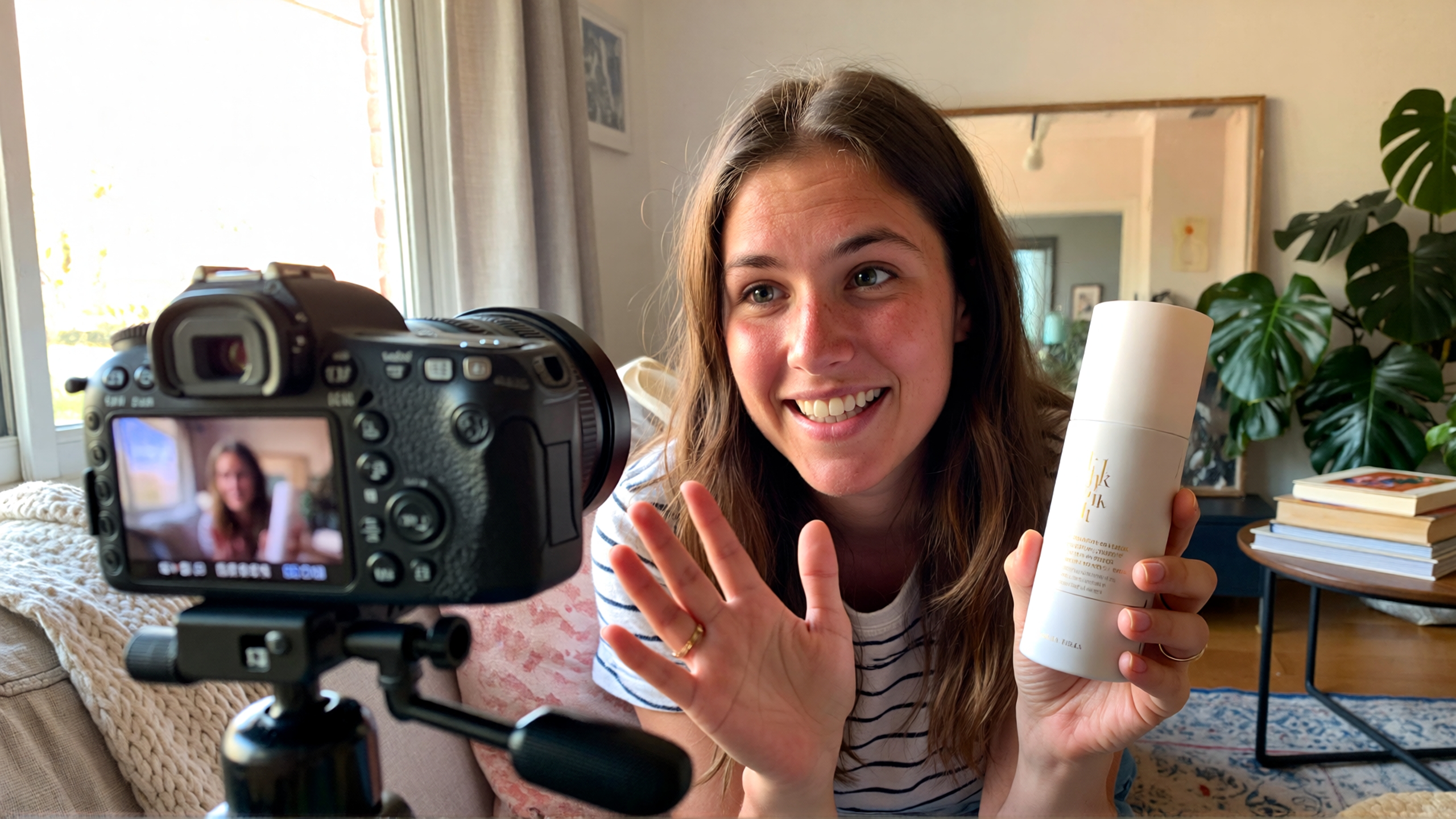
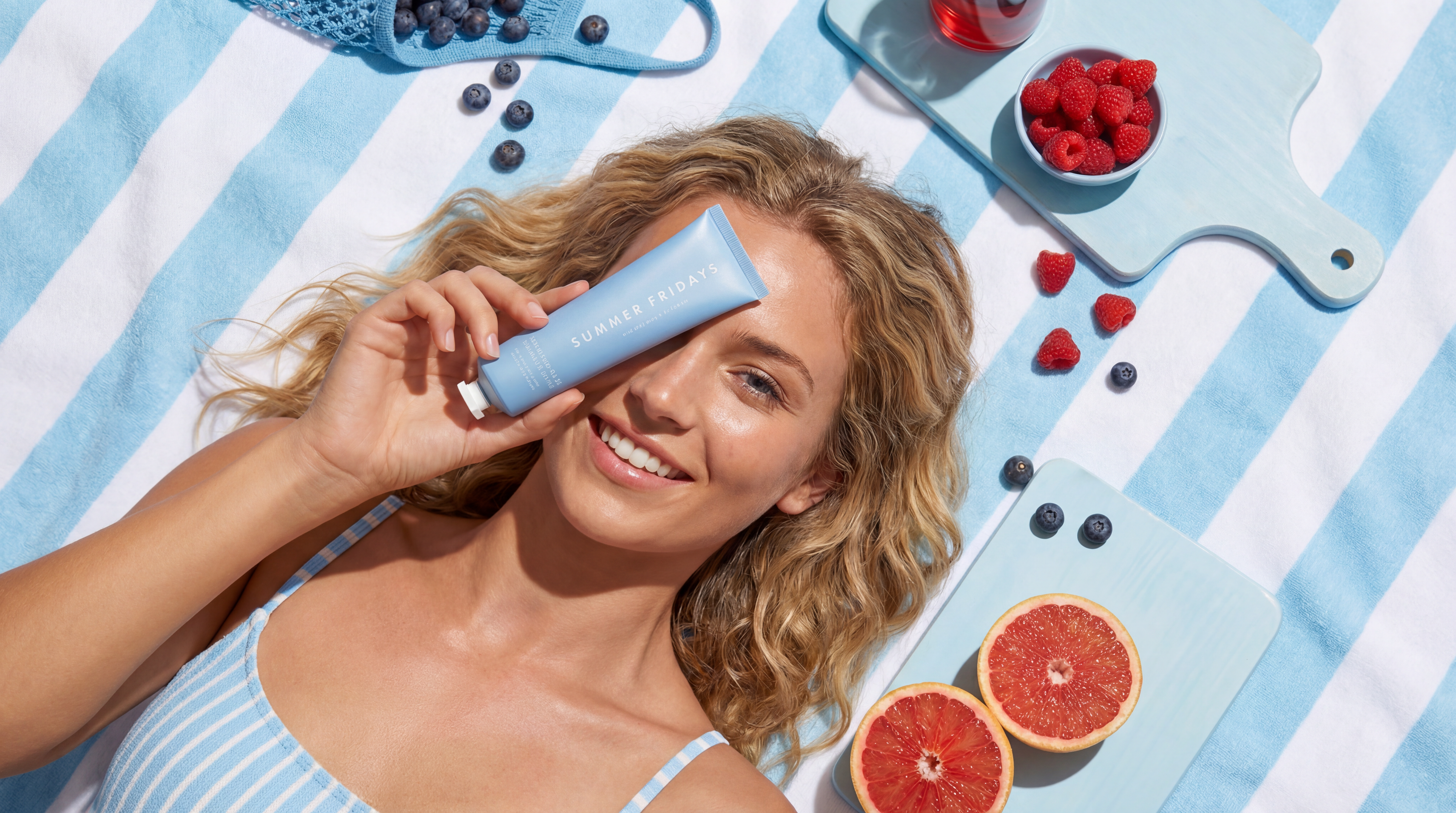
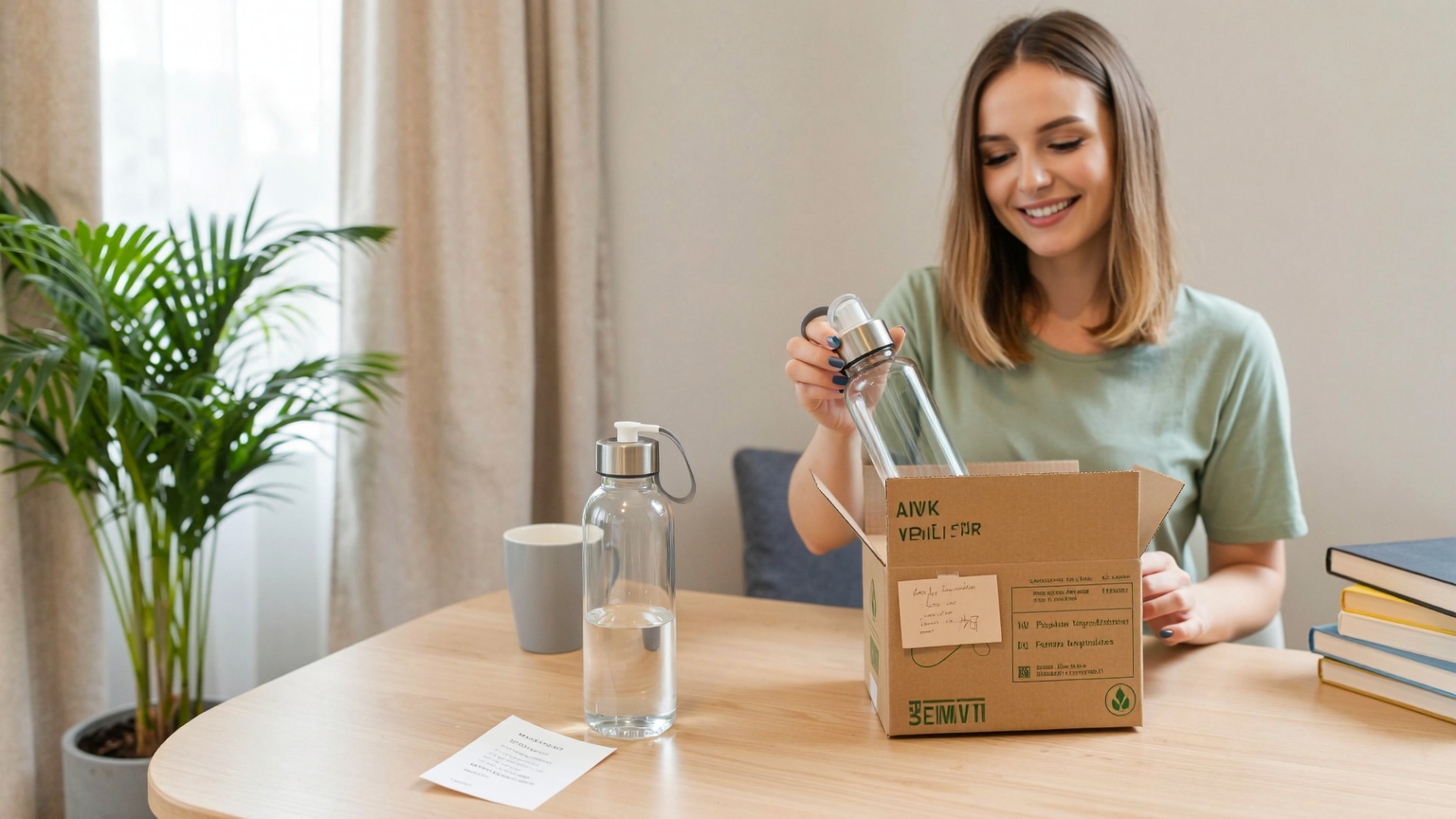 UGC Images generated by ImagineArt 1.0
AI Video Generator: For Video-Based UGC Ads
- Write down the details of the UGC video concept. Add details about character, background, environment, mood, tone, video style, and even human dialogues.
For example, your testimonial video can have following narration:
“I’ve been using [Brand] for a few weeks now, and I have to say, I’m impressed! These wireless earbuds are so comfortable, and the sound quality is amazing!”
- Next, select the AI video generation model, aspect ratio, video resolution, video duration, and number of generations. ImagineArt AI video generator offers a set of different models, including Veo 3.1, Sora 2, Kling 2.5, Hailuo 2.3, and more.
- Once you have finalized the video settings, click generate, and AI will produce a tailored UGC video ad.
- You can edit the generated video on ImagineArt AI video editor. You can add images, text, logos, music, sound andvisual effects, voiceovers, and captions.
ImagineArt AI Ad Studio: For Template-Based UGC Ads
ImagineArt AI Ad Studio is purpose-built for UGC ad production. It provides prebuilt templates structured around proven UGC formats (product review, testimonial, unboxing, lifestyle) so you start from a working ad framework rather than a blank canvas.
- Open AI Ad Studio and select a UGC template that matches your ad concept.
- Add your product image, visual reference, or product page url
- Select your AI avatar. Or create your own AI-generated persona manually by adding avatar name, gender, and instructions.
- Select your hook, scene, background, and AI video ad duration and quality.
- Set your aspect ratio for the target platform: 9:16 for TikTok and Reels, 1:1 for feed, 4:5 for Meta.
Ad Studio outputs all formats simultaneously — no manual resizing between platforms. Brand controls lock your visual identity into every variant, so a batch of twenty UGC ads reads as a coherent campaign rather than individually produced assets.
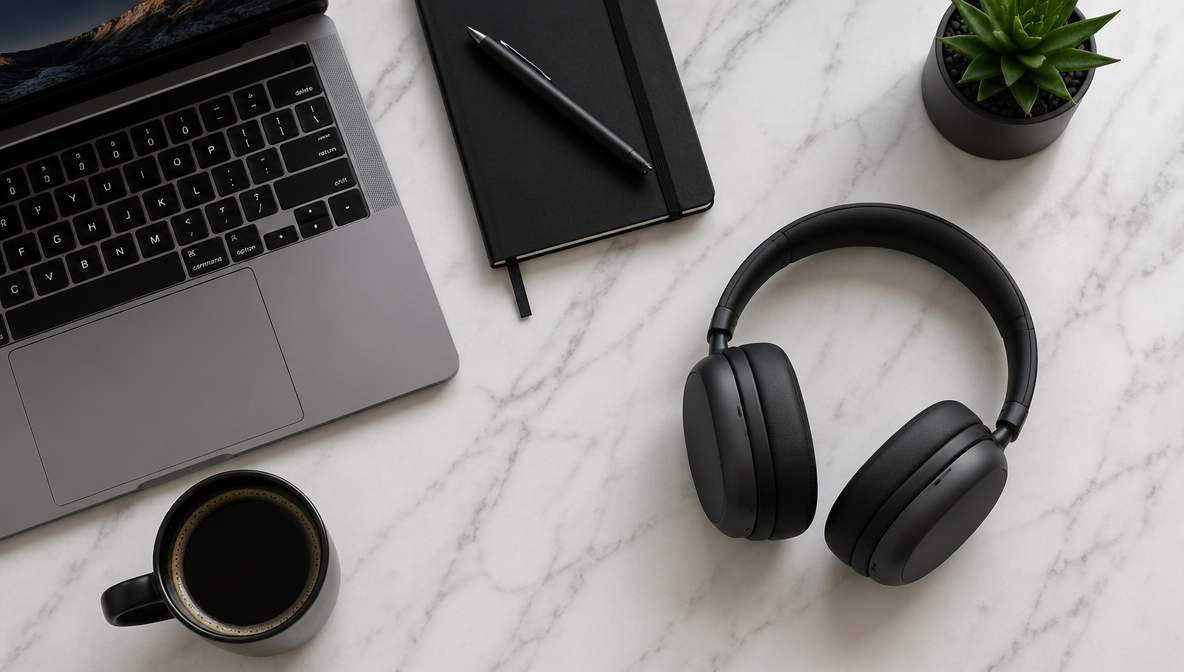
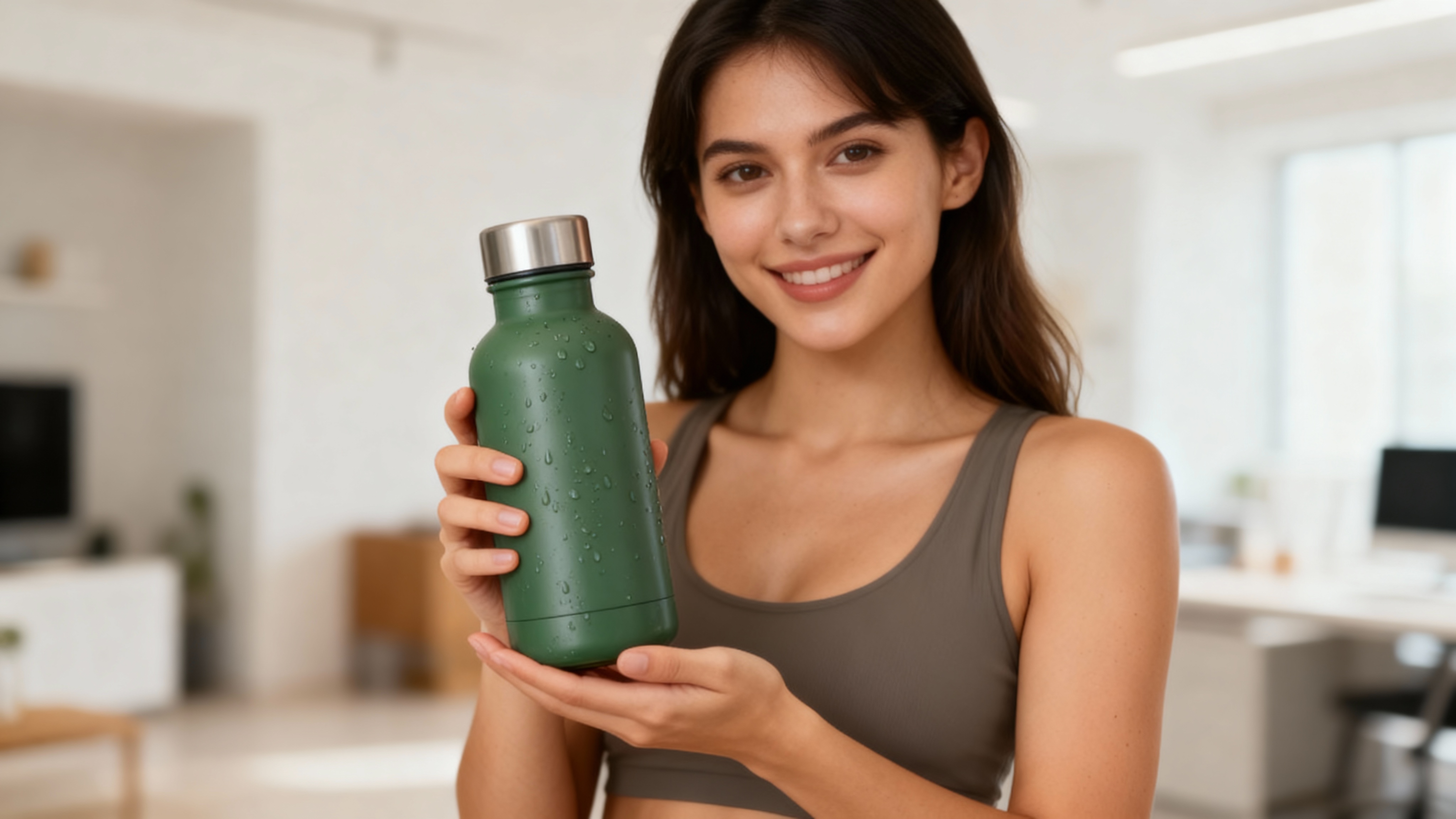 Static UGC generated on ImagineArt Apps using Product Review template
Step 3: Download Your UGC Ad
Once you have made the final edits, download the UGC ad in your preferred format — MP4 for videos, PNG or JPEG for static ads. Match the file to its target platform before uploading:
- TikTok & Instagram Reels: 9:16, MP4, 15–30 seconds, captions on
- Meta Feed & Stories: 9:16 or 4:5, 15–60 seconds, hook in first 3 seconds
- YouTube Shorts: 9:16, up to 60 seconds, benefit-led narrative
- Pinterest: 2:3 ratio, 6–15 seconds for video pins, lifestyle-first visual
If you used AI Ad Studio, your multi-format set is already generated — download each format directly and upload to the corresponding platform ad manager.
Recommended read: AI UGC Creation Playbook
Best AI UGC Ad Formats by Platform
UGC ads are not one-size-fits-all. Each platform has distinct audience behavior, feed mechanics, and creative expectations that determine which UGC format performs best.
TikTok
Hook in the first 1.5 seconds — a bold claim, surprising fact, or visual pattern interrupt. Keep it under 30 seconds. Conversational tone, lower production feel. Trending audio or native sound performs better than polished voiceover. Lead with the product benefit within the first 5 seconds.
Meta (Instagram & Facebook)
Slightly more polished than TikTok but still creator-native in feel. 15–30 seconds for Reels, 6–15 seconds for Stories. Captions are essential — 85% of Facebook video is watched without sound. Problem-solution narrative structure outperforms product-first openers.
YouTube Shorts
Up to 60 seconds. Benefit-led narrative works well — explain what the product does and why it matters before the visual reveal. Slightly higher production quality tolerance than TikTok. Voiceover-driven UGC converts well for product demonstration formats.
2:3 aspect ratio for video pins. 6–15 seconds. Aspirational and lifestyle-first framing outperforms review-style UGC. Skincare, home, fashion, and food categories perform particularly well. Text overlay with a clear benefit statement reinforces the visual.
Recommended read: Best AI Tool for UGC
Best Practices for AI UGC Ads
- Authenticity: Make sure your UGC videos and visuals feel true-to-life, without any artefacts. Don’t let the AI tool make your UGC ad sound or look too salesy.
- Content Diversity: Create different types of UGC content, including reviews and testimonials, and find out which type of content resonates well with the target audience.
- Real UGC: AI UGC is an effective approach to make the most of UGC marketing. However, strive to balance the AI UGC with real user generated content to maintain engagement and user interest.
- Platform Compatibility: Not all types of UGC content work on all social media platforms. Each platform has a certain type of audience, so make sure your UGC ads and videos align with the tone and culture of the target platform.
- Natural and Conversational: When adding narration, make sure the script reads and sounds like a human speaking. Use short sentences and natural tone, avoid jargon, and add humor and pauses.
- Multi-Format from the Start: Design your UGC ad concept for multiple formats rather than cropping a finished video after the fact. Tools like ImagineArt AI Ad Studio output 9:16, 1:1, and 4:5 simultaneously — building this into your workflow from brief to production eliminates platform-by-platform rework.
Recommended read: How to Make Money with UGC in 2026
Ready to Create AI UGC Ads with ImagineArt?
ImagineArt AI Ad Studio is built specifically for the UGC ad production workflow — UGC templates, AI avatars, multi-format output, and brand consistency controls in one environment. For teams producing always-on paid social creative, it compresses the cycle from brief to live ad without creator sourcing, usage licensing, or manual platform adaptation. So, are you ready to make UGC ads?
Find out more about AI marketing tools: Best AI Marketing Tools | Best AI Content Marketing Tools | Best AI Tools for Proudct Marketing
How to Make UGC Ads with AI — FAQs
A UGC ad is a short-form video or image ad designed to look and feel like organic, creator-made content — product reviews, testimonials, unboxings, or lifestyle clips — used in paid social campaigns on TikTok, Meta, Instagram, and YouTube.
Regular brand ads are polished, produced, and clearly promotional. UGC ads are designed to feel authentic, peer-created, and platform-native — mimicking the visual language of organic content rather than advertising. UGC ads consistently generate higher CTR and lower CPC than standard brand creative on most paid social platforms.
Use ImagineArt AI Ad Studio to select a UGC template (product review, testimonial, or lifestyle), add your product visuals and brand inputs, choose an AI avatar, and generate multi-format outputs for TikTok, Meta, and YouTube simultaneously. The full workflow takes under 3 minutes.
AI UGC production costs as little as $5–$30 per video, compared to $150–$500+ per video for traditional UGC creator production. ImagineArt offers a free tier with daily tokens for testing, and paid plans for volume production.
ImagineArt AI Ad Studio is purpose-built for UGC ad production — it combines UGC templates, AI avatars, brand controls, and multi-format output in a single workflow. For general AI video generation, the ImagineArt AI Video Generator supports models including Veo 3.1, Kling, Hailuo, and Sora 2.
AI UGC ads are increasingly competitive with real creator UGC in performance metrics — particularly for high-volume testing where iterating thirty variants quickly matters more than the marginal authenticity advantage of a real creator. For trust-sensitive categories like healthcare and financial services, balancing AI UGC with real customer testimonials is recommended.
TikTok, Meta (Instagram and Facebook), YouTube Shorts, and Pinterest are the primary UGC ad platforms. TikTok and Instagram Reels favor short, hook-first, conversational formats in 9:16. Meta feed performs well with 4:5 formats and captions. YouTube Shorts supports benefit-led narratives up to 60 seconds.
Yes. If an AI-generated UGC ad is used in a paid campaign and implies a real consumer endorsement, FTC guidelines apply. Label AI-generated content clearly — use disclosures such as 'AI-generated' or 'Paid promotion' depending on the platform's requirements and the ad's format.
Tooba Siddiqui
Tooba Siddiqui is a content marketer with a strong focus on AI trends and product innovation. She explores generative AI with a keen eye. At ImagineArt, she develops marketing content that translates cutting-edge innovation into engaging, search-driven narratives for the right audience.