
Tooba Siddiqui
August 13, 2026 • Updated August 13, 2026
13 mins Read
The influencer marketing industry is projected to exceed $40 billion by the end of 2026, and AI is now embedded across every stage of how campaigns get built and run. This guide covers how to use AI for influencer marketing from start to finish: finding and vetting the right creators, building a campaign brief, producing content at scale, executing across platforms, and measuring what worked.
For campaign ideas organized by vertical, see AI Influencer Marketing Ideas.
What Is an AI Influencer Marketing Strategy?
An AI influencer marketing strategy is an approach to planning, executing, and measuring influencer campaigns where AI tools handle specific tasks at each stage, including discovery, content creation, outreach, and analytics, rather than relying entirely on manual processes.
The difference from traditional influencer marketing is in where time gets spent. Traditional campaigns require hours of manual research to find and vet creators, back-and-forth brief creation, separate production timelines for each content piece, and manual reporting at campaign end. An AI-assisted strategy automates or accelerates each of those steps, which frees up the strategy layer — partner selection, creative direction, and relationship management — for human judgment.
The framework breaks into three layers:
- Discovery: finding and vetting the right influencers using AI tools
- Production: generating and editing campaign content at scale
- Measurement: tracking performance and attributing revenue impact
Step 1: Influencer Discovery and Vetting with AI
The right influencers for a brand are determined by audience quality, content relevance, and past campaign performance — not follower count. AI discovery tools surface this data at a scale that manual research cannot match.
Tools like Modash, Heepsy, and Upfluence filter creator databases by audience demographics, engagement rate, content category, and brand affinity. Favikon, built specifically for LinkedIn and B2B discovery, uses a proprietary AI ranking system that scores creators on authority rather than popularity — a meaningful distinction for brands whose target audience values expertise over entertainment.
What to Look for Beyond Follower Count
When vetting influencers, the metrics that predict campaign performance are:
- Engagement rate relative to audience size: a creator with 50,000 followers and a 6% engagement rate outperforms one with 500,000 followers and a 0.5% rate in most campaign types
- Audience demographics: age, location, income bracket, and interests must match the brand's target customer profile, not just general platform demographics
- Content consistency: how frequently the creator posts, whether quality holds across recent months, and whether their niche is stable or drifting
- Past brand alignment: which brands they have worked with, whether those brands compete or complement, and whether sponsored content performs comparably to organic posts
How to Detect Influencer Fraud with AI
Influencer fraud — inflated follower counts, bot engagement, and coordinated engagement pods — costs brands billions annually in wasted spend. AI fraud detection tools identify it by analyzing the ratio of engagement to follower growth, the geographic distribution of followers against the brand's target market, and comment quality relative to post content.
Modash and HypeAuditor both include fraud scoring as part of their vetting workflow. Before committing to any creator, run their profile through a fraud scoring tool and look specifically at:
- Follower growth spikes that do not correspond to a verified viral moment
- Engagement pod patterns — identical comment formats appearing across multiple posts
- Audience geography mismatch — a creator based in the US with the majority of followers located in markets the brand does not operate in
Step 2: Building the Campaign Brief with AI
A strong campaign brief determines whether influencer content lands. AI speeds up the research and structure behind brief creation without replacing the creative judgment that makes a brief actionable.
AI tools surface competitor campaign analysis, audience language patterns, trending content formats on the target platform, and performance benchmarks from similar past campaigns within minutes. The brief itself still requires human direction on brand tone, campaign goals, and creator latitude.
A complete AI influencer marketing brief covers:
- Campaign objective (awareness, conversion, product launch)
- Target audience profile
- Platform and format requirements
- Creative direction and visual references
- Key messages and exclusions
- Deliverables and posting schedule
- Compensation structure and usage rights
- FTC disclosure requirements
ImagineArt AI Image Generation is useful at the brief stage for generating visual moodboards and product reference images that give influencers a clear visual direction without requiring a design team or photoshoot. Generated references can be uploaded directly into the brief document.
ImagineArt Brandkit Generator ensures that when briefing multiple influencers simultaneously, all visual assets — color palettes, fonts, logo usage, and style references — are consistent across every creator. This is particularly important for campaigns running across ten or more influencer accounts, where brand drift across posts is a common problem.
FTC Disclosure Requirements for Influencer Marketing in 2026
The FTC's updated disclosure guidelines require that any material connection between a brand and a creator is clearly disclosed in a way that viewers cannot miss. For video content, the disclosure must appear in the video itself — not only in the caption or description.
Practical brief requirements:
- Instagram sponsored content must include a visible "Paid partnership" or "Ad" label, not buried in hashtags
- TikTok requires the disclosure to appear within the first few seconds of the video
- YouTube requires verbal disclosure within the first 30 seconds alongside the written description disclosure
- The word "spon" or "#ad" buried in a hashtag block does not meet FTC standards
Include the specific disclosure format in the brief so creators do not have to guess.
Instagram Influencer Marketing Strategy Considerations
Instagram format mix and hashtag strategy affect campaign performance and should be specified at the brief stage rather than left to the creator.
- Reels generate significantly higher reach than feed posts or Stories for new audience acquisition; use them for awareness objectives
- Stories convert better for direct response and link-click objectives because of the swipe-up behavior pattern
- The strongest posting windows for sponsored content are Tuesday through Thursday between 9am and 11am in the creator's primary audience timezone
- Hashtag volume above ten per post shows diminishing returns on Reels; brief creators to use three to five highly relevant tags rather than volume stacking
Step 3: Content Production at Scale with AI
Content production is where AI makes the largest measurable impact on influencer marketing operations. The bottleneck in most campaigns is not strategy or relationships — it is the time between brief approval and publishable content. AI tools compress that timeline significantly.
AI Image Generation for Campaign Assets
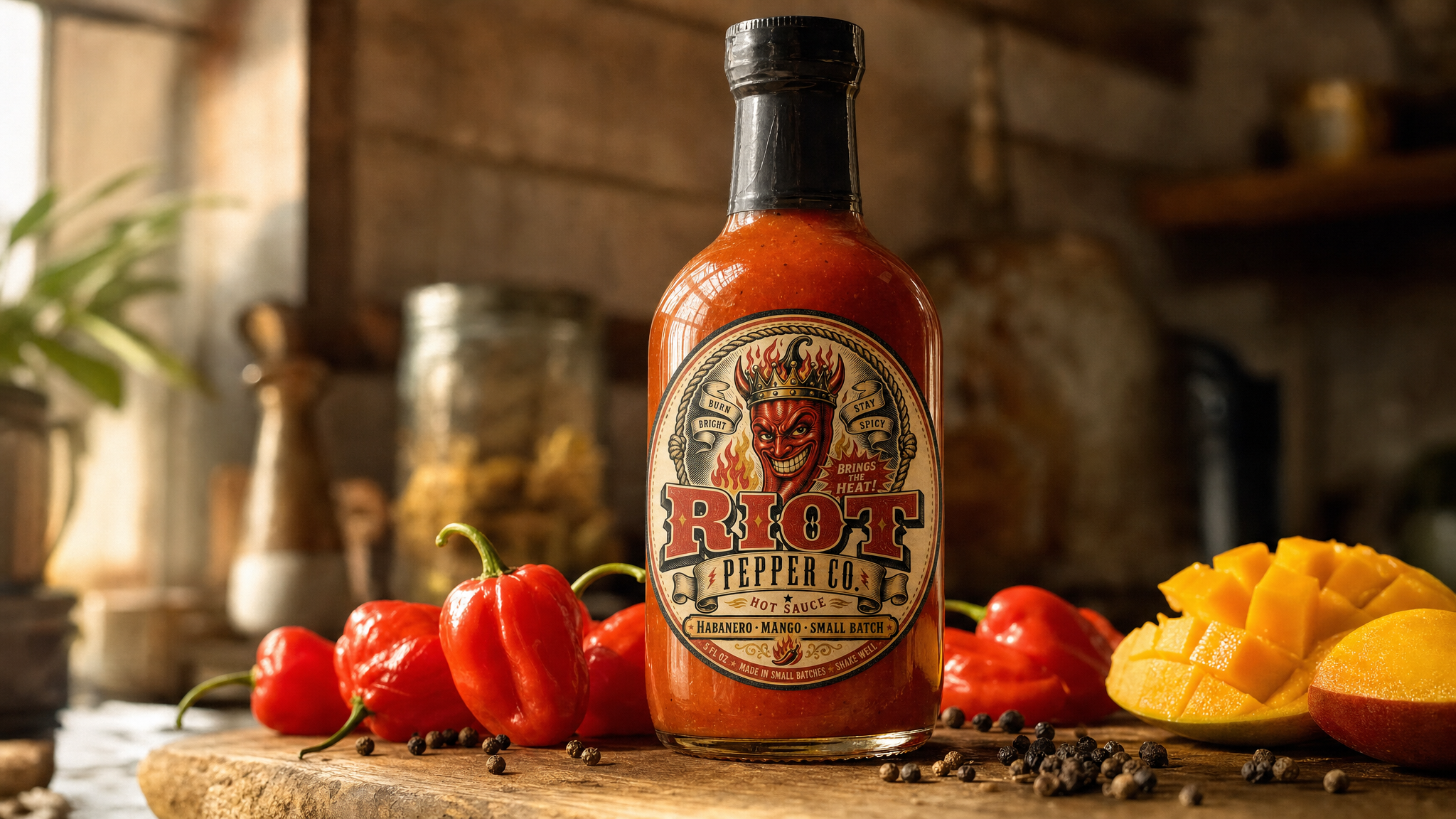 Campaign visuals generated by ImagineArt AI image generator
ImagineArt AI Image Generator produces campaign visuals, product mockups, and visual style references that can be shared with influencers during briefing and repurposed as owned brand assets after the campaign. For product launches where physical samples are not yet available, AI-generated product images give influencers enough visual context to produce aligned content before samples ship.
ImagineArt Clothes Swap is particularly relevant for beauty and fashion influencer campaigns. It allows brands to show products in context — worn across different skin tones and body types — without requiring a physical sample send to every creator in the campaign. This reduces the pre-campaign production timeline and allows more creator participation at the same budget.
ImagineArt AI Fashion Studio generates full fashion campaign shoot content — styled looks, lifestyle settings, editorial aesthetics — without a full production setup. For fashion and lifestyle brands running campaigns across multiple creators, Fashion Studio produces visual reference sets that maintain brand aesthetic consistency even when individual creator styles vary.
AI Video and Motion Content for Influencer Campaigns
ImagineArt AI Ad Studio converts influencer-generated content into campaign assets with motion design and platform-specific formatting. Organic influencer content performs well with the creator's audience, but repurposing it into paid ad creative without proper formatting loses the quality that made it work. Ad Studio handles the reformatting and motion layer so paid amplification of influencer content matches platform specifications without starting a new production cycle.
ImagineArt AI Video Generator supports product demo videos, content for campaigns where a real on-camera AI presenter is unavailable, or where the campaign requires a consistent branded presenter voice across all content rather than individual creator styles.
For a full comparison of AI video editing tools for influencer content production, see AI Video Editing Tools for Influencer Marketing.
Step 4: Campaign Execution and Outreach with AI
AI-assisted outreach personalizes pitch templates at scale without making them feel automated.
For Instagram, execution requires decisions on hooks, format mix, posting window optimization, and how organic influencer content gets amplified through paid channels.
ImagineArt Ad Studio connects organic influencer content to paid Instagram promotion. Once an influencer's organic post generates strong engagement, Ad Studio reformats it into a paid creative asset with the motion and format specifications Instagram's ad system requires.
TikTok
TikTok campaign execution requires briefing creators on trend timing rather than just content format. A brief that arrives two weeks after a trend peaks misses the algorithm window entirely. AI trend monitoring tools — including TikTok's own Creator Marketplace analytics — identify rising trends early enough to brief creators while the content is still algorithmically advantaged.
TikTok hook construction is the most important execution variable. Brief creators specifically on the first three seconds of the video, including the hook text, visual, and audio choice. Creators who receive hook direction consistently outperform those given only messaging direction.
LinkedIn and B2B Platforms
LinkedIn content creation and execution differs from consumer platforms. The content format that performs is long-form written posts from individual accounts — not brand page posts, short captions, or heavily designed graphics. Thought leadership content from a recognized industry voice outperforms polished branded content on LinkedIn's algorithm.
Brief B2B influencers on the insight they want to share, not the message the brand wants to promote. The brand's product appears as supporting context for the creator's perspective, not as the lead.
B2B Influencer Marketing Strategy with AI
75% of B2B companies now use influencer marketing, and AI has made creator programs accessible to smaller teams that previously could not scale them without dedicated headcount. B2B influencer marketing strategy differs from consumer in three material ways.
- Audience size is smaller and more valuable. A B2B influencer with 8,000 LinkedIn followers in senior procurement roles in enterprise SaaS is more valuable to a relevant brand than a consumer influencer with 200,000 general followers. AI discovery tools that score on authority and audience job title — Favikon and SparkToro are the most widely used for B2B — surface these creators before they appear on generic discovery platforms.
- Sales cycles are longer. B2B influencer marketing rarely converts in a single touchpoint. The measurement model should track pipeline influence across multiple sessions — how many deals had contact with influencer content somewhere in the buyer journey — rather than direct last-click conversion.
- Content formats differ. The formats that work in B2B are co-authored articles, carousels, webinar appearances, podcast guest slots, and LinkedIn newsletter contributions. These build the creator's authority alongside the brand's rather than placing a product in a lifestyle context.
Step 5: Measuring Influencer Marketing ROI with AI
ROI measurement is the step most influencer programs do poorly — not because the data is unavailable, but because the attribution model is set up incorrectly before the campaign launches.
How to Calculate Influencer Marketing ROI
The standard formula:
ROI = (Revenue Generated — Campaign Cost) / Campaign Cost × 100
Campaign cost must include all components: creator fees, product gifting, production costs, platform tool fees, and paid amplification spend on top of organic posts.
Revenue attribution requires deciding in advance which conversion events count:
- Direct link clicks via tracked UTM parameters on creator-specific links
- Promo code redemptions attributed to specific creators
- Assisted conversions tracked through multi-touch attribution platforms
- Earned media value calculated as a cost-equivalent against paid media CPMs
No attribution model captures the full picture, but using a consistent model across campaigns makes performance comparable over time.
AI Analytics Tools for Influencer ROI
- Sprout Social: tracks cross-platform engagement and connects influencer content performance to broader social analytics
- Brandwatch: monitors earned mentions, sentiment, and share of voice generated by influencer activity
- GRIN: integrates creator performance data with e-commerce attribution for direct revenue tracking
- Native platform analytics: Instagram Branded Content Insights and TikTok Creator Marketplace now provide brand-side visibility into creator post performance
Common measurement mistakes to avoid:
- Attributing all sales during a campaign period to influencer activity without controlling for other marketing running simultaneously
- Using vanity metrics such as impressions and likes as the primary success measure when the campaign objective was conversion
- Not setting baseline benchmarks before launch, which makes measuring incremental impact impossible
Influencer Marketing Strategy Tips for 2026
- Use AI to identify micro-influencers before they peak. Discovery tools that track follower growth rate and engagement trajectory surface creators growing fast in a relevant niche before they become expensive. Locking in partnerships with early-stage creators at lower rates is one of the few timing advantages available in influencer marketing.
- Brief for platform-native formats, not polished ads. Content that looks like an advertisement performs worse than content that looks like organic creator output on every major platform. Brief creators on the platform behavior that produces organic results — trending sounds on TikTok, conversational hooks for Instagram Reels, insight-led posts for LinkedIn — and let the format carry the creative.
- Build an asset library from every campaign. Every piece of influencer content generates reusable assets: testimonial quotes, product-in-use visuals, customer reaction footage. Systematically collecting and organizing these — with usage rights documented — creates a growing owned media bank that reduces future production costs.
- Use ImagineArt Brand Kits to maintain visual consistency across multiple creators. When ten or more influencers are running content simultaneously, visual drift across posts dilutes brand recognition. Brand Kits give every creator in the campaign the same color references, logo usage rules, and style direction without requiring a design round-trip for each.
- Test paid amplification on organic posts before producing dedicated ad creative. The strongest-performing organic influencer posts are the most reliable signal for what paid creative will work. Before building a dedicated ad production cycle, put a small paid budget behind the top-performing organic posts and measure response first.
- Set attribution rules before launch, not after. The most common reason influencer campaigns cannot prove ROI is that the attribution model was not agreed on before the first piece of content went live. Decide in advance which conversion events count, which UTM parameters are in place, and how assisted conversions will be weighted.
Read next: How AI Influencers Make Money
Frequently Asked Questions
What is AI influencer marketing?
AI influencer marketing is the use of artificial intelligence tools across the planning, execution, and measurement of influencer campaigns. AI handles creator discovery and fraud detection, campaign brief generation, content production, outreach personalization, and ROI attribution — with human judgment applied to strategy, creative direction, and relationship management.
How do you build an influencer marketing strategy?
Building an influencer marketing strategy involves five steps: define the campaign objective and target audience, discover and vet relevant creators using AI discovery tools, build a detailed campaign brief covering content direction and compliance requirements, execute across chosen platforms with platform-native content formats, and measure performance against pre-set attribution benchmarks.
How is AI used in influencer marketing?
AI is used in influencer marketing for creator discovery and audience analysis, fraud detection, brief generation, content creation at scale, outreach personalization, performance tracking, and revenue attribution. The global influencer marketing industry is projected to exceed $40 billion by the end of 2026, with AI tooling embedded across every stage of campaign operations.
What is a B2B influencer marketing strategy?
A B2B influencer marketing strategy uses industry thought leaders, subject matter experts, and niche professionals to reach business buyers rather than consumer audiences. It differs from consumer influencer marketing in its content formats (long-form posts, webinars, podcast appearances), measurement model (pipeline influence rather than direct conversion), and discovery approach (authority scoring on LinkedIn rather than follower count).
How do you find the right influencers for your brand?
Finding the right influencers requires matching audience demographics, content relevance, and engagement quality to the brand's target customer profile. AI discovery tools including Modash, Heepsy, and Upfluence filter large creator databases against these criteria and surface fraud risk scores before any partnership commitment is made.
How do you measure influencer marketing ROI?
Influencer marketing ROI is calculated as revenue generated minus campaign cost, divided by campaign cost, multiplied by 100. Revenue attribution requires pre-set tracking via UTM parameters on creator-specific links, promo code redemptions, or multi-touch attribution platforms that track assisted conversions across the buyer journey.
What are the FTC disclosure requirements for influencer marketing in 2026?
The FTC requires that any material connection between a brand and a creator is clearly disclosed in a way viewers cannot miss. For video content, the disclosure must appear within the video itself within the first 30 seconds — not only in the caption. Platform-native disclosure tools such as Instagram's Paid Partnership label and TikTok's Branded Content toggle satisfy the requirement when used correctly. Hashtags buried in a post description do not.
What is the best AI tool for influencer marketing?
The best tool depends on the campaign stage. For discovery, Modash and Upfluence lead for consumer campaigns; Favikon leads for B2B on LinkedIn. For content production, ImagineArt's Ad Studio, Image Generation, Fashion Studio, and Brand Kits cover visual and motion asset creation. For measurement, Sprout Social and Brandwatch provide cross-platform performance tracking and earned media analysis.
Tooba Siddiqui
Tooba Siddiqui is a content marketer with a strong focus on AI trends and product innovation. She explores generative AI with a keen eye. At ImagineArt, she develops marketing content that translates cutting-edge innovation into engaging, search-driven narratives for the right audience.