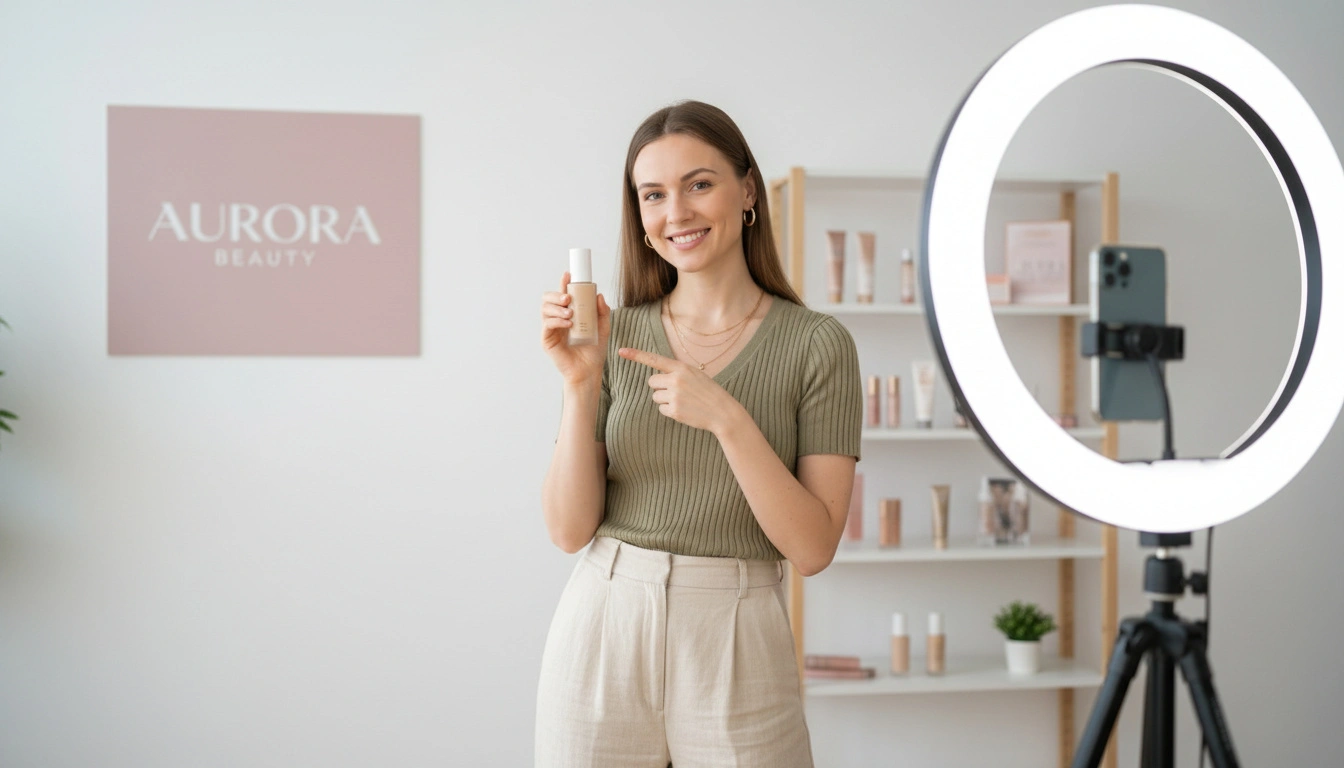
What Are AI Influencers-Creating and Making Money with Virtual Influencers
Discover what AI influencers are and how to turn them into a money-making machine. This comprehensive guide explains why brands are favoring AI influencers, how to create your own, and practical ways to monetize them, helping you start earning $1000+ quickly.

Aqsa Nazir Kayani
February 15, 2026 • Updated July 21, 2026
11 mins Read
We have been seeing influencers getting brand deals, free products, and living the dream. And you’ve probably thought, “I want that too.”
But then there is a small problem; you’re camera-shy, and trendy TikTok dances are not happening. Or you can have privacy concerns and just don’t want yourself on social media.
Here’s the fun part: you don’t need to show your face to make bank online. AI influencers can do it all for you in just a few prompts.
AI influencers can grow audiences, land sponsorships, and generate real income. This isn’t sci-fi as it is happening right now.
If you want to know exactly what an AI influencer is, how it works, and how you can realistically pull in $1000+ using one, this guide has you covered.
Let’s dive in.
What Are AI Influencers?
To put it simply: An AI influencer is a digitally created personality or a person who is powered by artificial intelligence.
AI influencers can be created to look realistic and post like a real creator. build a following like a real influencer, except it is entirely generated and controlled through AI tools.
An AI influencer is a virtual persona designed to exist on social media. Every detail, from appearance to tone of voice, is intentional and controlled and created through a prompt.
Difference Between Human Influencers and Virtual Influencers
So what separates the AI influencers from human ones? Learn in detail:
| Aspect | Human Influencers | AI Influencers |
|---|---|---|
| Predictability | Unpredictable, subject to mood and personal life | Fully controlled, follows brand plan precisely |
| Risk | Can get involved in controversies or scandals | Minimal risk, brand-safe content |
| Availability | Limited by schedule, energy, and time | Always available, scalable content production |
| Consistency | Posts and visuals can vary | Appearance, tone, and posting are consistent |
| Speed of Creation | Content creation takes time (shooting, editing) | Generated instantly using AI tools |
| Cost | Often higher for production and collaboration | Lower cost per asset, reusable content |
| Storytelling Focus | Depends on human creativity and personality | Designed for storytelling that engages the audience |
| Scalability | Limited by human capacity | Can run multiple campaigns and platforms simultaneously |
How Do AI Influencers Make Money?
So, now that we know what AI influencers are, let’s learn how to generate an income through posts:
Sponsored Posts:
If an AI influencer’s personality matches a certain type, then they’d pay to feature their product in a post, Reel, or short animated clip. This can be a one-time collaboration or a long-term deal.
We recommend you read this guide on AI video editing tools for influencer marketing to learn how to create scroll-stopping content.
Affiliate Marketing:
The AI influencer promotes tools, products, or services using tracked links. Every sale generated through that link earns commission. This works especially well in niches like tech, beauty, fitness, and SaaS, where buying intent is already high.
Brand Partnerships:
Unlike single sponsored posts, partnerships are long-term. The AI influencer becomes associated with a brand over several weeks or months. This builds audience trust and increases conversion rates over time.
Digital Product Promotions:
The AI influencer can promote ebooks, templates, presets, online courses, or memberships. These can be third-party products or your own. Margins are higher, which means revenue scales faster.
Creating UGC Content for Brands:
Brands constantly need content for ads and social media. An AI influencer can create product demos, lifestyle visuals, and animated showcases without traditional filming. This allows you to sell content creation services while remaining fully behind the scenes.
 AI Influencer Reviewing Product - Created Using ImagineArt
Why Brands Trust AI Influencers More Than Humans
Human influencers have personality and well… they are humans. However, there are reasons that cause brands to prefer AI influencers over people. Let's take a look:
- AI influencers follow a plan. They post exactly what the brand wants, when the brand wants it. No surprises.
- Brands want to avoid controversies. Humans can post risky stuff or get into scandals. AI influencers don’t.
- AI influencers have a consistent brand voice. Every post matches the brand’s tone and goals. Ads or content always say what the brand wants.
- They post on time, every time. Brands never miss deadlines because AI influencers work non-stop.
- AI Influencer’s feed maintains a stable look. Their appearance and style stay the same across all posts. Everything looks professional.
- Choosing an AI Influencer also reduces brand risk. Companies feel safe spending money because AI influencers don’t cause PR problems.
- Brands stay in control. Brands plan every post, animation, and story. can adjust campaigns quickly without depending on humans.
If you want more details, check out our AI Influencer money-making guide.
Different Types of AI Influencers and Their Niche
Not every AI influencer needs to be a fashion model, and not every influencer needs to look the same. The best thing about AI influencers is that they are custom-built. You can create any type of influencer based on what you want them to represent.
Here is how different AI influencer types typically break down:
| Type of AI Influencer | Primary Niche | Content Style | Monetization Model |
|---|---|---|---|
| Brand Ambassador | Beauty, Fashion, Tech | Product showcases, lifestyle visuals | Sponsored posts, long term brand deals |
| Fitness Lifestyle Persona | Health and Wellness | Workout clips, motivational content | Supplements, fitness apps, coaching affiliates |
| Gaming Character | Esports, Streaming | Game reactions, commentary, trends | Gaming gear affiliates, sponsorships, merch |
| Educational AI Host | Online learning, SaaS | Tutorials, explainers, walkthroughs | Course promotions, software affiliates |
| Affiliate Reviewer | Finance, Tech, SaaS | Product breakdowns, comparisons | Commission-based affiliate income |
| UGC Creator Persona | Direct to Consumer brands | Product demos, ad style videos | Paid UGC packages for brands |
Pick a niche that you like the most and start creating a virtual influencer.
Step-by-Step Process to Create an AI Influencer With ImagineArt
Once you have decided your niche, it's time to create your virtual influencer using ImagineArt AI Influencer. But how to do it? Don’t worry its easy with this step-by-step guide to help you understand the process.
Step 1: Choose the Character Type
Pick the core vibe for your influencer. ImagineArt gives you options like:
- Human: Realistic faces for lifestyle, beauty, or tech niches.
- Fantasy: Mystical or anime-inspired designs that stand out.
- Animal: Cute or symbolic creatures that represent a brand.
- Object-based: Creative concepts, like a talking gadget or animated logo.
The app also has more presets beyond these basics: you can mix and match to find a look that fits your niche or brand perfectly.
Step 2: Define Core Traits
This shapes your influencer’s personality and relatability. Options include:
- Gender: Male, female, trans, non-binary, etc.
- Ethnicity: Pick from presets or upload images for the diversity or ethnicity of your choice.
- Skin tone: Match the persona you want to build.
Presets help speed things up, but you can also upload reference images to fully customize your AI influencer.
Step 3: Refine Appearance Features
Now, make your influencer scroll-stopping. Presets cover:
- Hairstyles: Short, long, curly, straight, edgy, classic, or more creative styles.
- Eye colors: Natural or bold options to fit personality.
- Accessories: Glasses, hats, earrings, or tech gear.
- Markings: Tattoos, patterns, or unique designs.
You can adjust each preset further in the app: mix features, tweak details, and make your influencer look exactly how you want. Small choices here make a big difference in memorability.
Step 4: Generate the AI Influencer
Once you have selected the presets to make your influencer look perfect, hit ‘Generate’:
- The app instantly creates a high-quality image.
- You can tweak and regenerate until you’re happy.
- This image becomes your core brand asset, ready for content creation.
Step 5: Animate With Motion Control
Static images are fine. Animated content hits harder:
- Upload your influencer image to ImagineArt Motion Control.
- Upload a reference video that shows clear gestures, lip sync, or expressions.
- Your AI influencer copies the movements from the video.
Now you have short, engaging videos ready for TikTok, Instagram Reels, or YouTube Shorts.
Step 6: Publish and Build Your Persona
You have your influencer, and you know how to make content using AI. Now it’s time to upload or launch your digital persona. Here are somethings you should remember:
- Post consistently across platforms
- Reply to comments in character
- Build story arcs and campaigns
- Keep tone and messaging aligned with your niche
 Learn to Make AI Influencers With ImagineArt
If you need an influenceer to be the face of your fashion campaigns, you can create one (along with complete fashion shoots) with AI Fashion Studio.
Tips to Gain Reach Fast With AI Influencer
Starting with social media is not easy, and it takes time to gain traction, follows and more. Here are some tips that might be useful for the process.
- Stay niche-specific and avoid random posting.
- Use trending audio strategically.
- Engage in comments to build character and personality.
- Repurpose animated clips across platforms.
- Collaborate with small brands early to build credibility.
- Growth is rarely instant. But consistency makes it inevitable.
Platforms You Can Utilize AI Influencers On
To really boost followers and gain traction quickly, it's important to use various platforms. But remember, you can't just post the same content everywhere (with a few exceptions). Here's a breakdown of what works best on different platforms:
On Instagram, visuals are everything. People tend to scroll through feeds looking for polished images and short videos. Reels are great for trends, tutorials, or showcasing products in action. Carousels allow influencers to tell stories or share tips across multiple slides. Stories? They’re perfect for quick updates or behind-the-scenes glimpses. When your content looks appealing yet feels relatable, it keeps followers engaged.
TikTok
TikTok is all about speed and energy. Your AI influencer should jump on trending sounds, quick dances, or reactions to other videos to make content pop. Short tips, hacks, or humorous commentary can also grab attention. The key is to hook viewers in the first few seconds. If they don’t stop scrolling right away, your video risks going unseen.
X (formerly Twitter)
X prioritizes personality and ideas over visuals. Threads allow influencers to share stories, tips, or mini-guides. Single tweets are ideal for opinions, jokes, or insights. Users tend to follow accounts they feel a connection with, so your AI influencer should come across as a genuine, trustworthy voice, consistently sharing useful or entertaining content.
Threads
Threads is all about conversation. Influencers can respond to comments, engage in discussions, or share quick insights. It works best when the influencer feels like part of the community rather than just someone pushing content into a feed.
Snapchat
Snapchat is casual and immediate. Short updates, lifestyle snippets, or product demos feel real and relatable. The more spontaneous and natural your AI influencer appears, the stronger the bond with followers. This connection helps maintain high engagement over time.
It’s pretty simple; each platform has its own vibe, and your AI influencer needs to adapt to it.
How You Can Make $10,000+ With an AI Influencer
Once your AI influencer starts getting traction, the money side opens up fast. The best part? Your influencer doesn’t get tired or miss deadlines, so you can scale without limits.
- Sponsored content can become your main income. Brands are willing to pay more when they know your influencer is reliable and consistent. So if you can put your AI influencer in a fashion shoot using AI Fashion Studio or make a product video, you can make good money.
- Post on multiple platforms like Instagram, TikTok, X, Threads, Snapchat, etc. Each platform adds exposure and income potential.
- Affiliate marketing adds recurring revenue. Promote products or services your audience cares about, and every click or sale brings in money.
- You can create content for brands. They need product demos, tutorials, or social media clips. Your AI influencer can deliver this quickly, saving them time and paying you.
- Digital products work too. Mini-courses, guides, or downloads promoted through your influencer can earn passive income. Set it up once and keep earning.
- You can scale easily. Run multiple campaigns, post across platforms, and keep everything consistent. No energy limits, no breaks.
Common Mistakes to Avoid When Building AI Influencers
Building an AI influencer isn’t just about having a cool design or catchy name. It’s really important to do it right, or else you might run into some problems that can hurt your chances of gaining followers and securing brand deals.
Here are a few common mistakes to steer clear of:
- Not having a clear niche: If your AI influencer tries to cover everything, people won’t understand its purpose. Choose a focus, like fitness, tech, or beauty, so followers and brands know what to expect.
- Changing the look too much: Your influencer should be easy to recognize. Constantly switching hairstyles, outfits, or styles confuses followers and makes brands less confident in partnerships.
- Ignoring your audience: Comments, replies, and chats are important. If your AI influencer doesn’t engage, it feels like a robot posting content, and followers won’t stick around.
- Posting randomly: Posting occasionally won’t grow your account. Regular updates keep your influencer visible and build trust with followers.
- Copying someone else: Being inspired is fine, but copying another virtual influencer makes your account seem fake. Originality attracts attention and helps you stand out.
- Pushing money too early: Don’t rush to sell or promote. Followers want to feel that your influencer is real and trustworthy first. Once you build trust, sponsored content works much better.
So there you have it!
AI influencers are a great way to establish a presence on social media without showing your face. By choosing a clear niche, designing a strong persona with tools like ImagineArt, creating engaging content, and posting consistently across platforms, you can grow your AI influencer effectively.
It’s smart, easy, and it costs less than actually being an influencer. So what are you waiting for? Catch the trend and live the life you have always seen on social media.
Frequently Asked Questions
Are AI Influencers ethical to create?
Yes, creating AI influencers is ethical as long as you are clear about them being virtual. Don’t mislead your audience or pretend it’s a real person. Using AI for creative campaigns, education, or entertainment is widely accepted.
How do you make realistic AI Influencers?
Use tools like ImagineArt to customize features like hairstyle, skin tone, eye color, and accessories. Add motion and expressions with Motion Control so your influencer moves and reacts naturally. Consistency in design and content style also makes them feel more real.
Do you need to show your face to run AI Influencer accounts?
No, you don’t need to appear on camera at all. AI influencers are designed to create content, interact, and build an audience without using your own face. You can manage everything digitally while still producing engaging, monetizable content.
Aqsa Nazir Kayani
Aqsa Nazir Kayani specializes in SaaS and Gen AI, delivering search-optimized content that boosts visibility and strengthens brand authority.