Umaima Shah
March 8, 2026 • Updated July 20, 2026
14 mins Read
Fashion advertising has always had a budget problem. The campaigns that define what fashion looks like the editorials, the lifestyle photography, the perfectly cast model in the perfect location with the perfect light, require production budgets that only established brands can afford.
A new fashion boutique, an independent clothing brand, a designer launching their first collection: they've always known what great fashion advertising looks like. They just couldn't afford to produce it.
Until now.
AI fashion ad tools, like ImagineArt, have closed the production gap that separated small fashion businesses from major brands for decades. ImagineArt's Fashion Editorial templates, Fashion Portrait templates, and full AI creative suite generate campaign-quality fashion imagery and video, the kind that looks like it belongs in Vogue or on a premium brand's Instagram feed, from a text description.
This isn't about generating "okay" content cheaply. It's about generating genuinely great fashion ad creative at a cost that makes sense for all sizes of business economics.
This guide covers the creative strategy behind effective fashion advertising, how to use AI tools to execute it, and specific approaches for every fashion advertising channel in 2025.
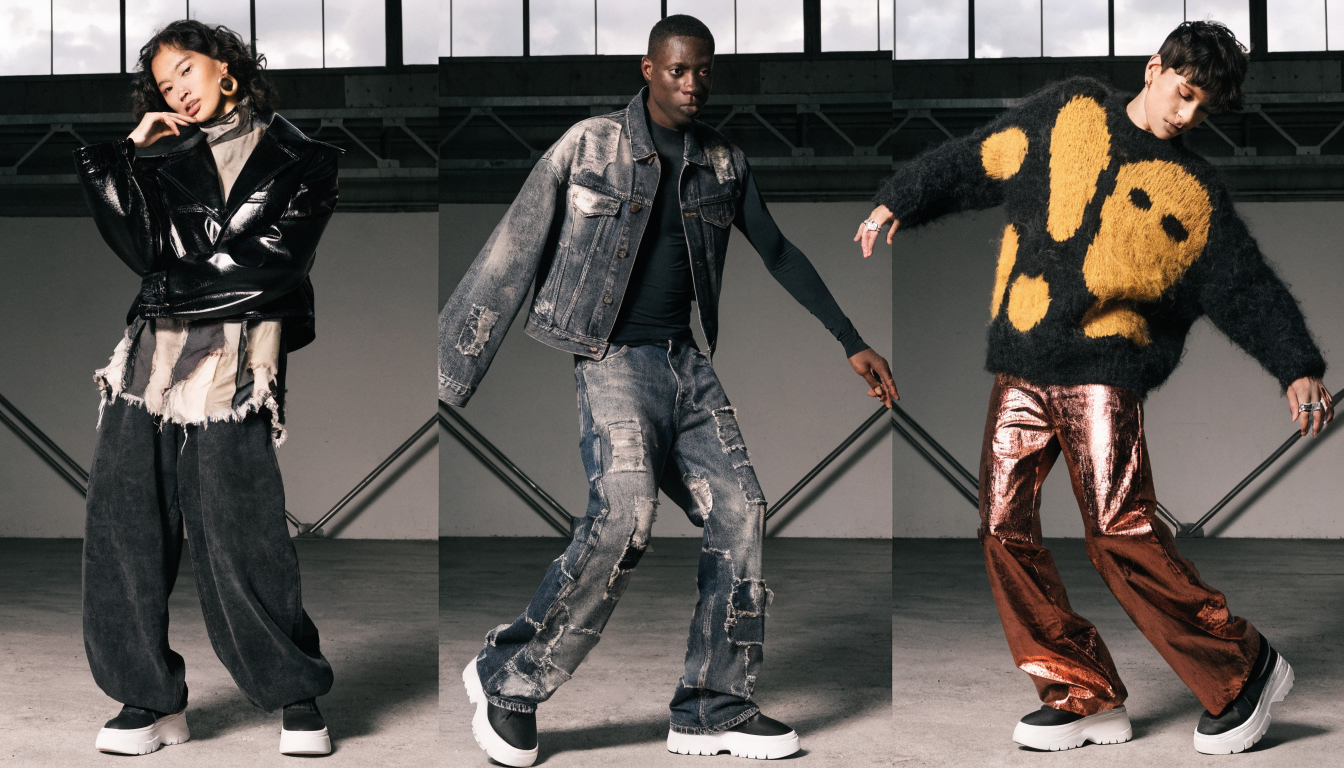 Fashion Lookbook - Imagine Art
The Creative Principles For Fashion Advertising
Fashion advertising is different from almost every other product category because consumers don't primarily buy fashion for features or specifications. They buy it because of:
- How does wearing it make them feel
- Who they become when they wear it
- How it positions them within their social and cultural world.
Effective fashion advertising understands this and sells identity, aspiration, and belonging, not only fabric, cut, or construction. Here's the creative framework based on four golden fashion ads rules:
1. Sell the person, not the product
The most effective fashion advertising shows who you become when you wear the clothes, not the clothes themselves.
The model isn't wearing a jacket. The model IS a person whose life looks like that jacket.
- Gucci doesn't advertise quality leather goods. It advertises a specific kind of eccentricity and cultural confidence.
- Nike doesn't advertise performance running shoes. It advertises the version of you who gets up at 5 am and earns their rest.
For small fashion businesses: before deciding on a visual, decide on the person.
- Who is the customer who loves your brand?
- What does their life look, feel, and mean?
Your fashion ad should show a moment from that life; the clothes are just what the person is wearing in it.
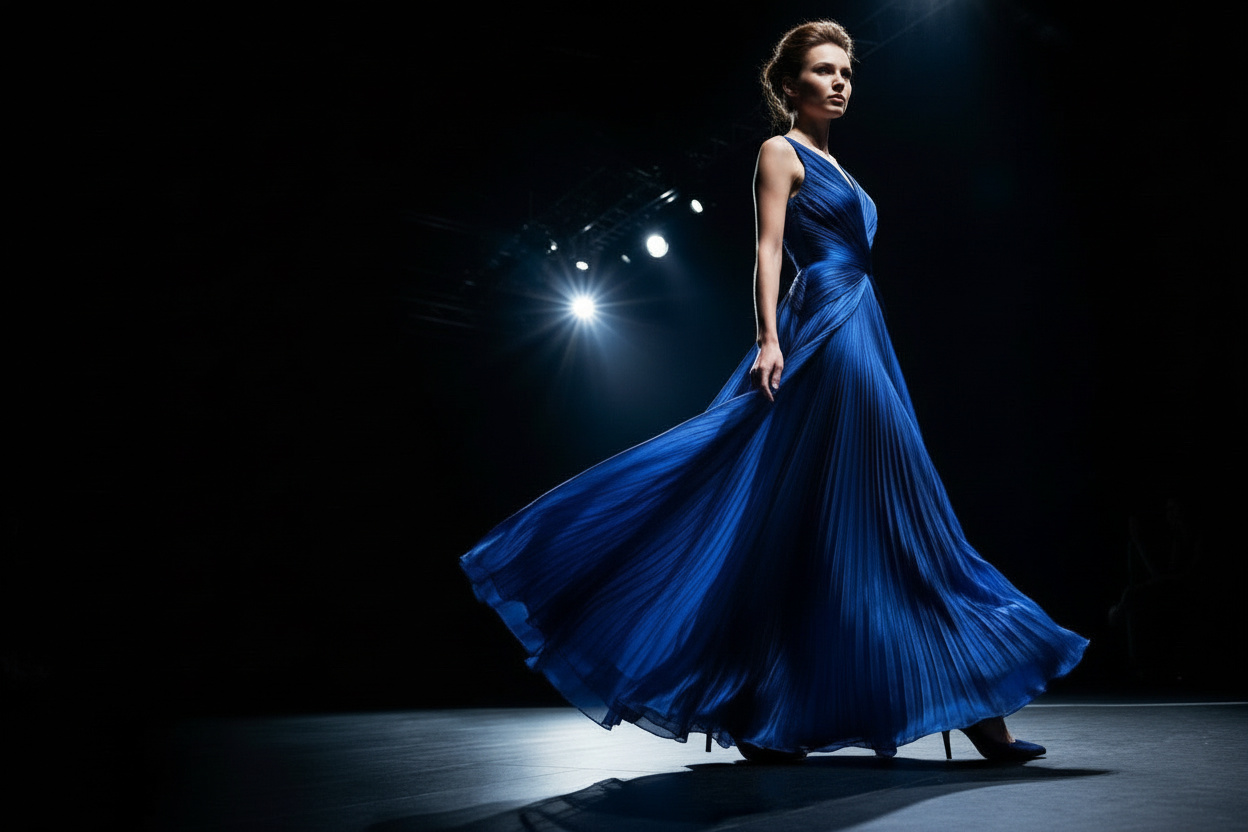 Fashion AI
2. The Editorial Visual Language
Fashion advertising has a specific visual vocabulary that communicates premium and quality through aesthetic choices. Understanding this vocabulary and using AI tools to execute it is what makes clothing branding and fashion advertising look like a major brand campaign.
Editorial fashion photography characteristics:
- Strong, confident posing but projecting an attitude
- Considered lighting: dramatic side light, soft diffused light, or high contrast, depending on the brand aesthetic
- Art-directed backgrounds: a solid color, a location, or an environmental context, the background is a deliberate aesthetic choice, not a neutral backdrop
- Intentional color story: the colors in the image relate to each other and to the product's color palette
- Model energy: the specific combination of demographic, attitude, and styling that represents the brand's customer
ImagineArt's fashion advertisement apps highlight exactly these visual languages. Here's what each one delivers:
- Fashion Portrait: a model in a modern outfit with sunglasses against a colorful background, the classic editorial portrait format, confident and bold
- Fashion Editorial: a model in striking, futuristic fashion in a vibrant field of blue flowers, high-concept, avant-garde, editorial magazine quality
- Castle Editorial: a confident person in a castle setting with soft lighting highlighting the outfit, heritage luxury, premium positioning, old-money aesthetic
- Architecture Editorial: a person next to a vintage car with warm lighting and luxury architecture, aspirational lifestyle, premium menswear or womenswear positioning
- Desert Editorial: a confident person in a desert with wind-lifted hair and coat, dramatic, cinematic, fashion film aesthetic
- Car Show Editorial: a confident person in a dramatic low-angle shot at a car show with strong lighting, edgy, powerful, statement fashion
- Falcon Editorial: a left portrait shot in the same fashion and mood without animals, clean editorial with directional styling
- Fisheye: a dramatic low-angle shot on an urban rooftop with a fisheye lens, youth-oriented, streetwear, urban fashion
- Floral Editorial: a calm fashion portrait in a vintage studio with flowers and soft lighting, feminine, romantic, beauty-adjacent fashion
- Panther Editorial: a person in a grass field with an intense upward gaze and cool lighting, fierce, editorial, high-fashion
Each of these templates is a fashion advertising archetype. Matching the right template to your brand's aesthetic and positioning is the first creative decision in fashion ad production.
3. The three-second scroll test
Before a fashion ad can tell its story, it must stop the scroll. On Instagram, TikTok, and Facebook, users make the stop-or-skip decision in approximately three seconds. In those three seconds, they're asking: Does this feel like it belongs in my world? Is this aspirationally relevant to who I am or who I want to be?
Fashion ads that stop scrolls share one characteristic: they have a specific, confident point of view. They're not trying to appeal to everyone. They're speaking directly to a specific person, and that person recognizes themselves immediately.
4. Consistency as a brand signal
Fashion brands build on visual consistency. The same color story, the same editorial aesthetic, the same model energy across every piece of creative; over time, this consistency becomes a brand signature. People recognize your creativity before they see your logo.
For fashion businesses using AI: establish your visual parameters in your first campaign and maintain them. Same lighting direction, same background style, same model demographic and energy, same color treatment. The discipline of consistency, applied across AI-generated content that costs almost nothing to produce, builds brand recognition faster than ever before.
AI Tools for Fashion Advertising
Here's exactly how to use each ImagineArt tool for fashion advertising specifically.
1. ImagineArt Fashion Studio for Campaign-Ready Model Shoots
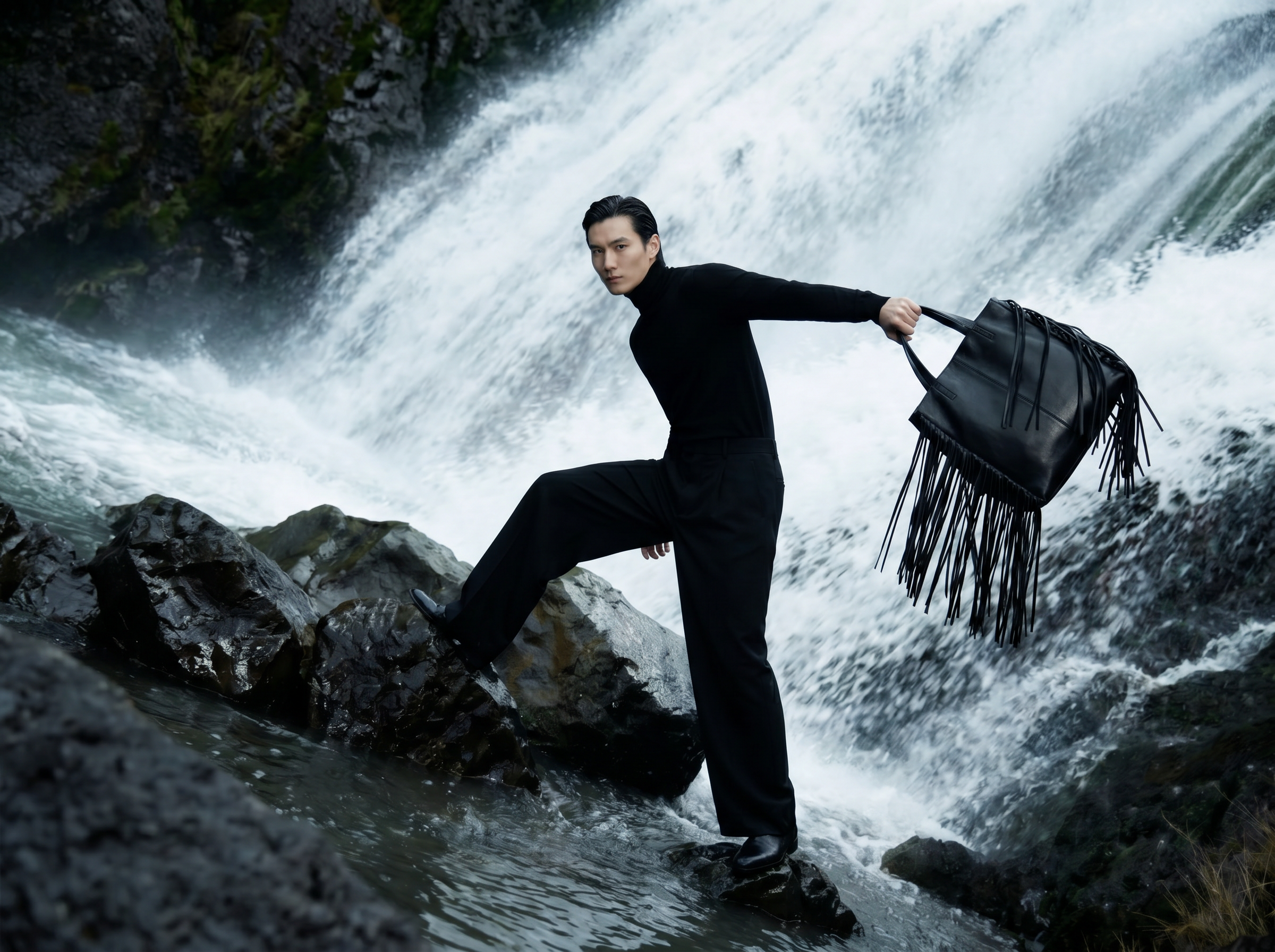 Editorial Fashion Shoot with ImagineArt
Where the Editorial Templates generate a single striking shot, Fashion Studio builds the full ad asset: model, outfit, pose, and background assembled step by step, then rendered into an image or a platform-ready video with Advanced Controls for aspect ratio and clip length.
How to use Fashion Studio for ad creative specifically:
- Lock a signature look: build one AI model once, save it to your library, and reuse the exact same face and body across every ad variation in a campaign, the visual consistency rule above, without a second casting call.
- Direct the pose for the scroll-stop: choose or describe a pose that matches the confident, art-directed posing editorial fashion advertising relies on, rather than settling for whatever a stock model gives you.
- Cut for the platform, not just the shot: set a 9:16 clip for a Reel or TikTok In-Feed ad, a square crop for a feed carousel, or a widescreen cut for a brand film, all from the same model and outfit setup.
- Hand off straight to AI Ad Studio: generate the model and shoot in Fashion Studio, then push it into AI Ad Studio to produce UGC, unboxing, or try-on ad formats for Meta, TikTok, and YouTube without a second shoot.
2. ImagineArt Apps
Editorial Templates, Campaign-Quality Fashion Imagery Without a Photoshoot
The Editorial Templates are the most directly valuable tool for fashion advertisers on ImagineArt. They generate editorial-quality fashion photography, the kind that belongs in high-end fashion advertising, without requiring a model, photographer, location, or production day.
How to choose the right template for your brand:
- Contemporary and accessible fashion brands: Fashion Portrait or Fashion Editorial modern, colorful, confident, without being inaccessible
- Luxury or heritage fashion: Castle Editorial or Architecture Editorial, premium environments communicate premium product
- Streetwear and youth brands: Fisheye or Car Show Editorial, urban, bold, attitude-forward
- Feminine or romance-adjacent brands: Floral Editorial, soft, beautiful, vintage-influenced
- Statement or avant-garde fashion: Fashion Editorial (blue flowers) or Desert Editorial, high-concept, uncompromising aesthetic
- Menswear: Architecture Editorial or Castle Editorial, classic luxury contexts work strongly for premium menswear
How to customize templates for your brand:
Each template generates a base aesthetic that you can then direct toward your specific product and brand. After selecting a template, describe your specific fashion item, the color, the silhouette, the fabric, and the AI generates the model wearing your product in that editorial context.
The consistency workflow: choose one primary template as your brand's "signature look" and use it across your campaign. Introduce one or two secondary templates for variety. This combination maintains brand consistency while avoiding visual repetition.
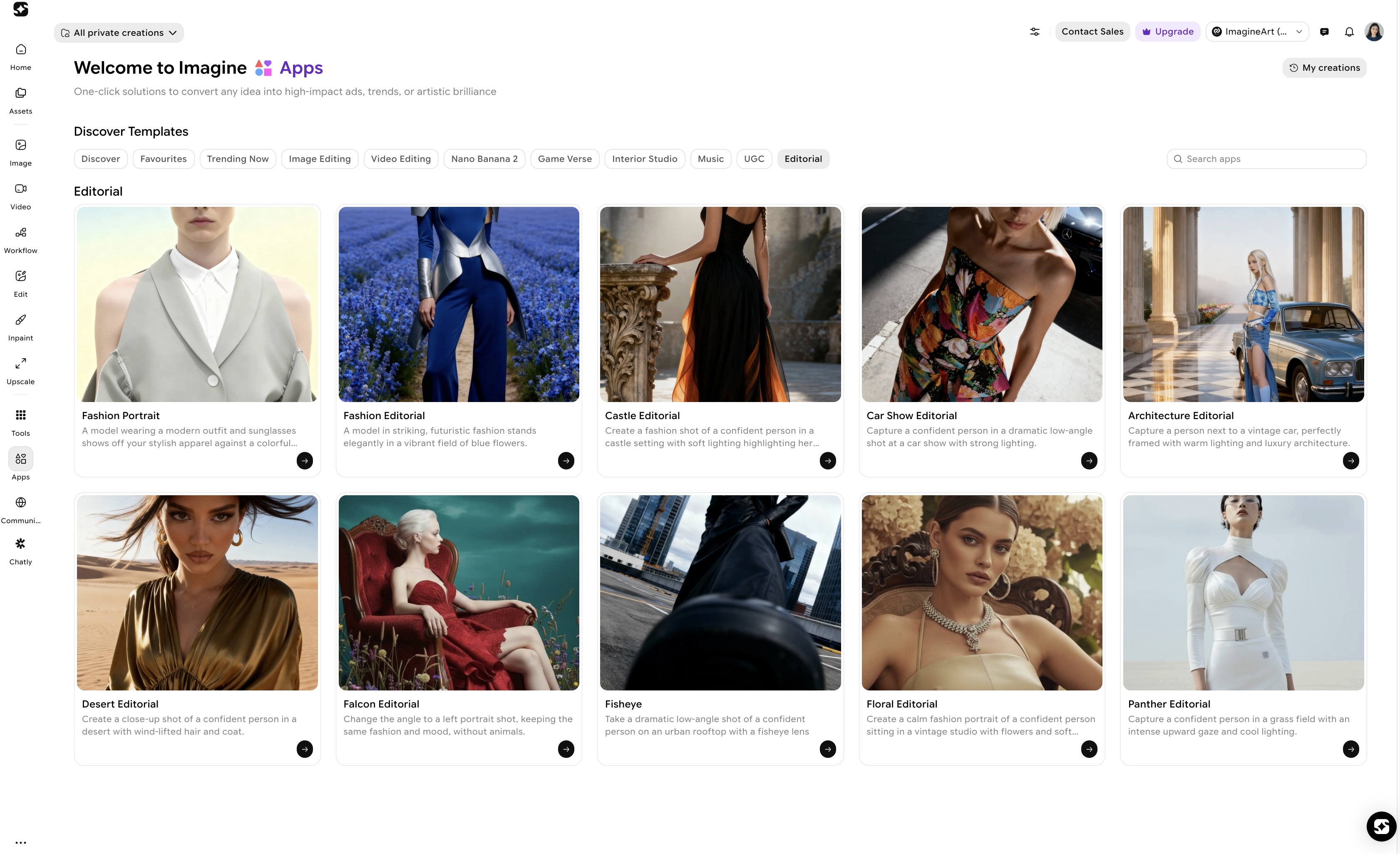 Fashion Apps - ImagineArt
ImagineArt Product Photography AI for Fashion Product Shots
For fashion e-commerce specifically, product pages, catalog ads, Shopping ads, clean, high-quality product photography is essential alongside editorial campaign imagery.
ImagineArt's Product Photography AI generates product-quality fashion photography. Upload your garment and describe the styling, lighting, and aesthetic.
Fashion product photography prompts:
For clothing on a model:
"Minimal white background, fashion photography studio lighting, [garment description], model standing confidently, full-length shot showing entire garment, clean and aspirational."
For clothing as a flat lay:
"Overhead flat lay, [garment] neatly arranged, [complementary props, accessories, flowers, fabric texture], [surface, marble, wood, linen], clean editorial composition."
For clothing on a hanger or mannequin:
“[Garment] on a minimalist hanger, clean background, subtle shadow, retail-quality product photography, [color treatment, warm/cool/neutral]"
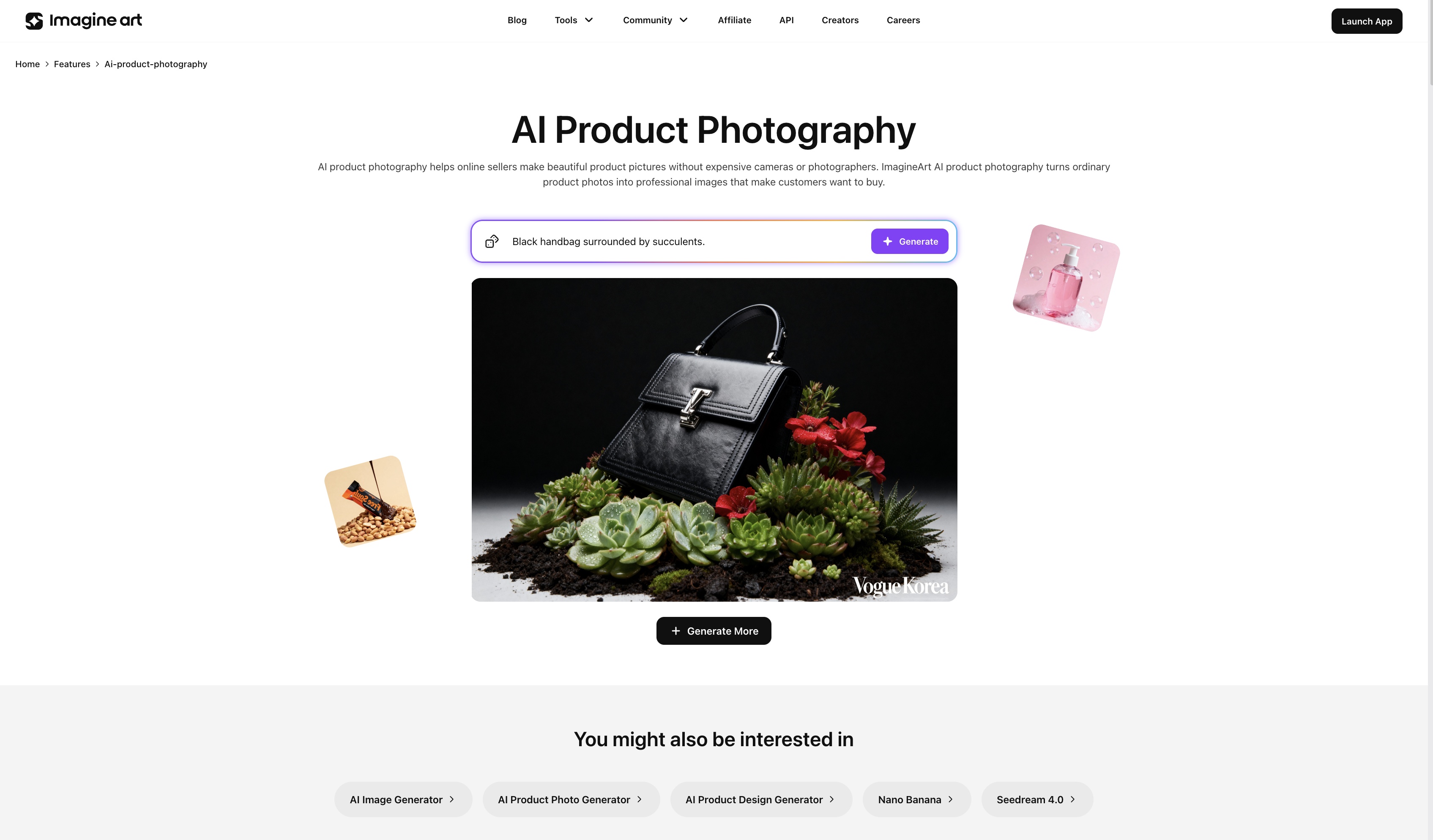 Product Photography App - ImagineArt
3. ImagineArt Make People Hold Product for Fashion Wearability
Make People Hold Product generates images of people wearing or holding your fashion product in specific contexts. For fashion, this is specifically powerful for:
- The "styled outfit" context: showing your garment worn as part of a complete outfit, in a specific environment
- The accessories showcase: showing a bag, jewelry, or shoes held or worn with hands and body visible
- The "wearing it out" moment: the person at a coffee shop, on a street, at an event, showing the garment in the wild rather than in a studio
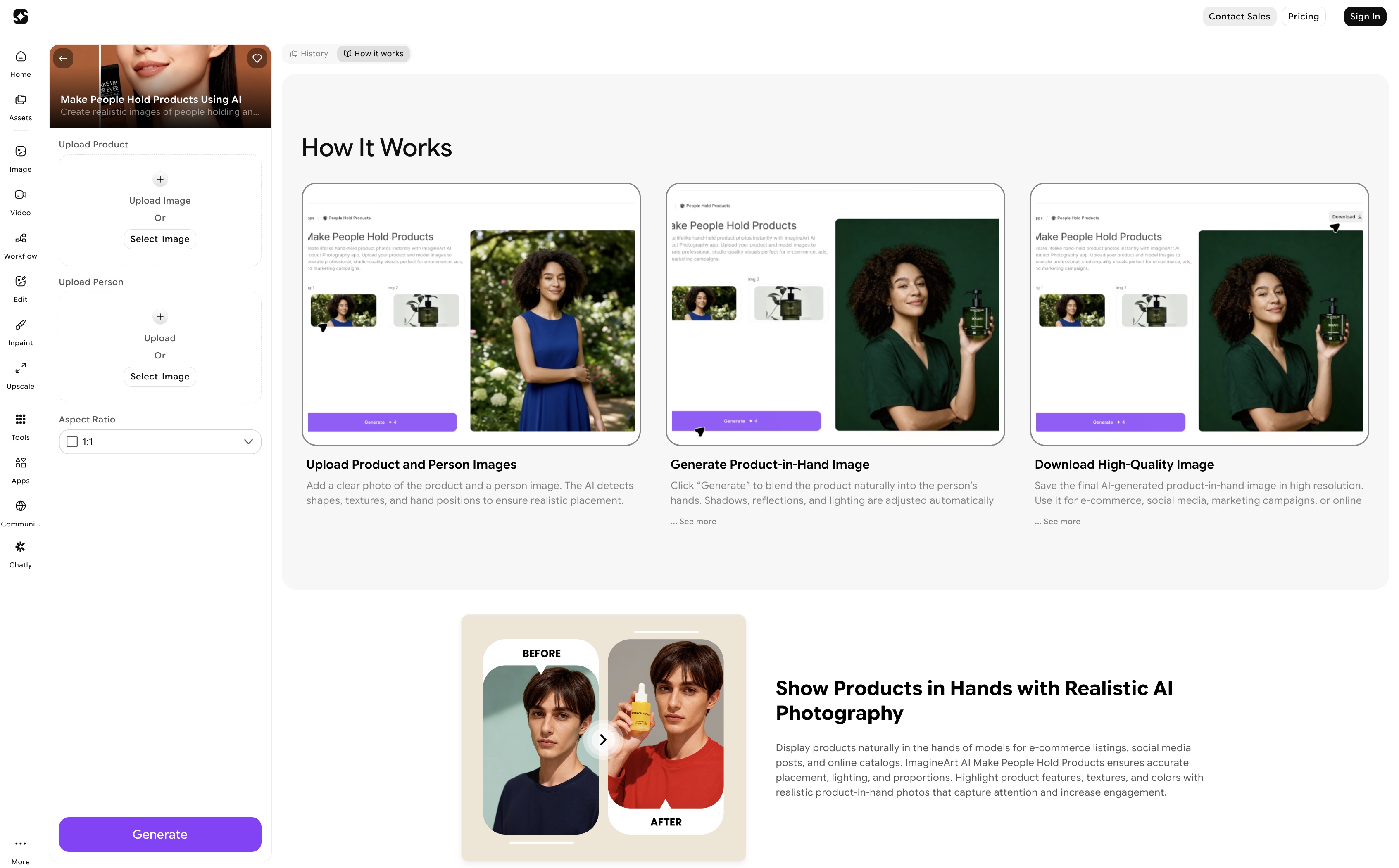 Make People Hold Product App - ImagineArt
ImagineArt's Fashion Editorial templates, AI model generation, and fashion photography tools create Vogue-worthy fashion advertising from a text description.
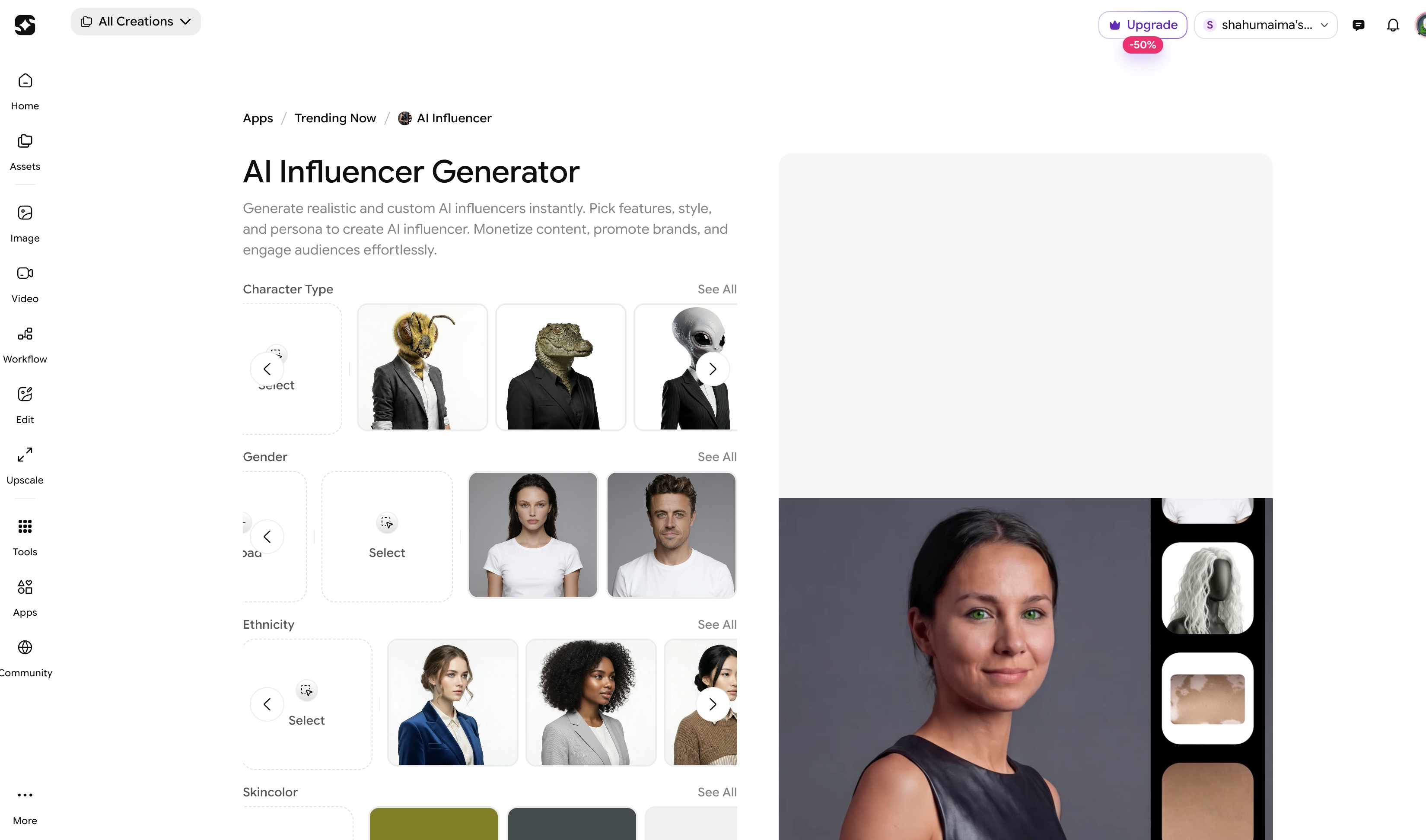
4. ImagineArt AI Influencer for Fashion Video Content
Fashion video advertising is dominated by two formats: the editorial campaign video (polished, cinematic, brand-world) and the creator/influencer format (authentic, styling content, try-on, and haul).
ImagineArt's AI Influencer Generator creates both:
- For editorial fashion video: prompt for cinematic quality, confident attitude, editorial fashion aesthetic, matching the visual language of the Editorial Templates
- For creator-format fashion video: prompt for natural energy, casual presentation, authentic try-on or styling content format, the TikTok and Instagram Reels native aesthetic
Fashion video content types that convert:
- The outfit reveal: building the look piece by piece, ending on the full outfit
- The styling challenge: "three ways to wear [garment]", one piece, multiple occasions
- The haul or new arrival: "just got these in and they're perfect for [occasion]"
- The occasion styling: "what I'm wearing to [event]", high relatability content
 AI influencer - ImagineArt
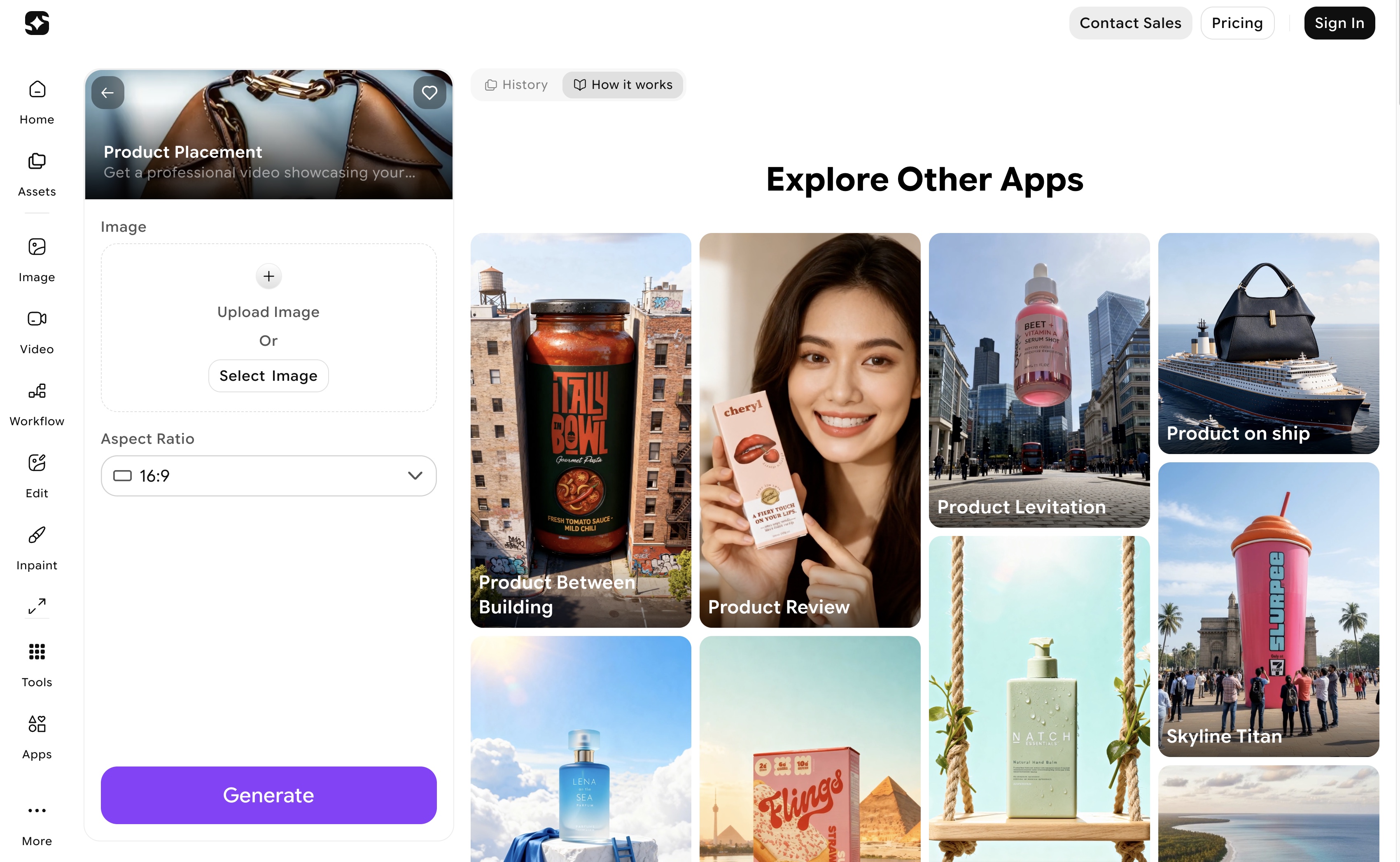
5. ImagineArt Product Placement for Fashion Lifestyle Advertising
Product Placement places your fashion product into any lifestyle context. For fashion brands that want to show their product in specific environments, a city street, a garden party, a gallery opening, a beach, without organizing a location shoot, this is the tool.
Fashion lifestyle placement contexts:
- Street fashion: urban environments, concrete and city architecture, the energy of a metropolitan street
- Occasion fashion: a black-tie event setting, a casual outdoor gathering, a creative workspace
- Travel fashion: exotic locations, hotel settings, airport or lounge aesthetics
- Seasonal fashion: matching the product to the season, summer beach, winter snow, autumn foliage
 Product Placement For Fashion & Lifestyle - ImagineArt
6. ImagineArt AI Ad Maker for Fashion Campaign Video
The AI Ad Maker generates complete fashion video ads from text prompts. For fashion campaigns, the most powerful video formats are:
- The campaign film: a 15-30 second brand video that communicates the brand world, the aesthetic, and the product's place in it, without heavy product focus
- The product showcase: close-up video that shows garment details, fabric movement, and construction quality
- The seasonal campaign: a visual narrative tied to a season, occasion, or cultural moment
Fashion Ads by Platform
Instagram Fashion Advertising
Instagram is the primary platform for fashion brand building. The feed's visual culture, the editorial aesthetic expectation, and the platform's aspiration-forward user behavior all align with fashion advertising.
Best formats: Feed image (4:5) for campaign imagery. Reels for styling and product reveal content. Stories for promotions and flash sales. Carousel for lookbooks and collection launches.
Creative strategy: use Editorial Templates for feed campaign imagery. Maintain visual consistency across an ad set, same lighting, same aesthetic, same model energy. Use Reels for the more authentic, creator-energy content.
TikTok Fashion Advertising
TikTok is where fashion brands get discovered, particularly by younger demographics. The haul video, the outfit-of-the-day, the styling challenge, these native TikTok formats drive genuine fashion purchase intent.
Best formats: In-Feed video (9:16). Spark Ads boost organic fashion content that performs.
Creative strategy: authentic and energetic over polished and editorial. The try-on format is TikTok's most reliable fashion content type. Sound-on design. Quick cuts that reveal different angles and styling options.
Facebook Fashion Advertising
Facebook's targeting precision makes it valuable for fashion brands with specific customer demographics, a plus-size fashion brand targeting women 30-55, a menswear brand targeting professionals 28-45.
Best formats: Carousel for collection showcases. Single image for targeted promotions. Video for brand awareness campaigns.
Creative strategy: the demographic targeting means creative can be more specific, speaking directly to the exact person you're reaching, rather than broadcasting broadly.
Fashion Ad Creative Strategy by Brand Type
Fast Fashion and Accessible Brands
The advertising challenge: newness, volume, and price. The visual language should be energetic, frequent, and trend-responsive. Consistency of aesthetic matters less than consistency of energy.
AI strategy: Generate high volumes of Fashion Portrait and Fashion Editorial content frequently, weekly or bi-weekly campaigns rather than quarterly. Use AI Influencer for TikTok and Reels content that mimics the creator-haul format.
Premium and Contemporary Fashion
The advertising challenge: quality signals and aspiration without inaccessibility. The visual language should be confident, considered, and slightly aspirational without being intimidating.
AI strategy: Castle Editorial and Architecture Editorial templates for campaign imagery. Disciplined visual consistency, same aesthetic across every piece. Limited use of promotional language in copy.
Streetwear and Youth Fashion
The advertising challenge: authenticity and cultural credibility. The visual language should feel earned rather than produced, urban, confident, slightly raw.
AI strategy: Fisheye and Car Show Editorial templates for the urban aesthetic. AI Influencer for creator-format video. Heavy TikTok and Instagram Reels presence. Trend-responsive content produced quickly.
Luxury and Designer Fashion
The advertising challenge: exclusivity, craft, and heritage. The visual language should be restrained, considered, and unapologetically premium.
AI strategy: Castle Editorial and Architecture Editorial for the primary campaign aesthetic. Restraint in copy, fewer words, more confidence. Video content focused on craft and detail rather than lifestyle.
Sustainable and Ethical Fashion
The advertising challenge: values alignment and authenticity. The advertising must demonstrate the values, not just claim them.
AI strategy: Floral and natural editorial settings. Copy-forward ads that explain the sourcing, the materials, and the process. AI Influencer for educational content about sustainable fashion practices.
Fashion Ad Copy: What to Write for Fashion Brands
Fashion advertising tends toward minimal copy, the visual should carry the weight. But the copy that does appear needs to do specific jobs.
The brand name or collection name as the headline: in fashion, the name IS the message for established brands. For smaller brands still building awareness, the name needs support.
Evocative single-line copy: "The only jacket you need this season." "Wear what you mean." "For the version of you that doesn't explain itself." These one-liners don't describe the product, they describe the person the product is for.
Product specificity where it serves: for e-commerce fashion ads where someone is about to click to buy, specific product information, color options, available sizes, material, reduces friction and increases conversion.
Urgency when justified: "New collection, limited run." "Available while sizes last." "Last few in this color." Real scarcity creates real urgency. Fake urgency damages trust with fashion audiences who are sophisticated about retail psychology.
Fashion Ad Performance: What to Measure
- Engagement rate: Fashion content should drive above-average engagement because of its aspirational nature. Below 1.5% on Instagram suggests the aesthetic isn't resonating.
- Save rate: Instagram's most important fashion metric. People save fashion content they intend to revisit, for purchase consideration, for styling inspiration. High saves signal high purchase intent.
- Profile visits: an interested fashion consumer visits the profile before purchasing. High-profile visits from ads indicate brand interest is developing.
- Return on ad spend: for e-commerce fashion. Target 3x minimum, higher is better. Fashion margins vary widely, know your numbers before setting ROAS targets.
- Cost per link click: for fashion brands driving to a website. Below $1.00 is strong for Instagram fashion. Facebook can be lower with precise targeting.
Launch Your AI Fashion Ad With ImagineArt
Fashion advertising has always been about aspiration, identity, and visual storytelling. The framework hasn't changed, what has changed is who can execute it.
ImagineArt's suite of fashion AI tools gives small fashion businesses the complete toolkit to produce advertising that belongs alongside the major brands.
Frequently Asked Question
Fashion brands can generate campaign-quality visuals using AI instead of organizing traditional photoshoots. ImagineArt’s Editorial Templates create studio-style fashion imagery from simple product prompts.
Reels, outfit carousels, and short styling videos perform best for fashion ads on Instagram. These formats showcase movement, layering, and outfit transformations that attract engagement.
AI tools can be integrated by assigning different tasks like image generation, video creation, and editing within a structured workflow. Platforms like ImagineArt connect these steps so creators can move from prompt to final content faster
Creative-focused platforms such as ImagineArt, Runway, and Zapier AI help optimize workflows for image generation, video creation, and content production.
AI generation levels the production playing field. A small fashion brand using ImagineArt's Editorial Templates can produce imagery that looks comparable to major brand campaign photography — because the same AI quality standards apply regardless of the brand's size. The creative idea and the brand's point of view are the differentiators; production quality is now accessible to everyone.
The styling reveal (showing pieces being layered into an outfit), the unexpected styling (an unusual combination that works), the transformation (before/after styling of the same person), and the authentic reaction (genuine surprise or delight at a new piece). All of these formats work well with ImagineArt's AI Influencer content for the human element.
Umaima Shah
Umaima Shah is a creative content strategist specializing in AI tools, image generation, and emerging technologies. She focuses on translating complex platforms into clear, practical insights for creators, designers, and product teams