Associate product manager to PM: the career path at ImagineArt
What an associate product manager owns in year one at ImagineArt, how the path to PM, senior PM and group PM works, and who the role is for.
Read the story
Engineering at ImagineArt means building for real scale. Our products generate images, video, music and voice for millions of creators and more than 1,000 organizations, so throughput, latency and cost are not abstract problems. As one of our backend postings puts it, inference is expensive, so efficiency is a product feature.
This guide covers every engineering role we hire for, what the work looks like, and the tools you'll use.
What you'll do: design and own high-throughput, asynchronous systems: generation queues, worker orchestration, media processing, retries, backpressure and dead-letter handling. Senior engineers make the architecture calls on data flow, service boundaries and failure handling, and they write the code too.
Stack: Go (preferred), PostgreSQL, Kafka, RabbitMQ or SQS, distributed workers, Docker and Kubernetes, with exposure to GPU and media pipelines a plus.
Roles we hire: Go Lang Developer (2–4 years), Backend Engineer, Senior Backend Engineer (5+ years owning production systems at scale), Senior Big Data Developer (BigQuery, Spark, Kafka, Airflow).
What you'll do: build fast, accessible, SEO-friendly interfaces for ImagineArt's web apps with reusable components and a shared design system. Graphics-heavy work includes node-based editors and canvas tools for our creative suite.
Stack: React, Next.js (App Router), TypeScript, Tailwind CSS, TanStack Query, CI/CD. For graphics roles: WebGL, HTML5 Canvas, React Flow, Konva, Pixi or Three.js.
Roles we hire: Frontend Engineer / React (Next.js) Developer (4+ years), Senior Frontend Engineer, Senior WebGL / Canvas Engineer, Junior Frontend Engineer.
What you'll do: own mobile features end to end on a shared Android and iOS codebase, from the problem to architecture, release and iteration. It's explicitly not a ticket-based role.
Stack: Kotlin, Kotlin Multiplatform, Compose Multiplatform, Clean Architecture, MVI, Coroutines; Swift is a bonus.
This is where much of ImagineArt's newest work happens: ImagineArt Agent (an AI creative co-founder that plans, writes, generates and edits), Imagine Computer (an agent that builds sites, documents and workflows across hundreds of connected apps) and Superagent, the core harness behind them.
What you'll do:
Stack: Python and TypeScript, LangGraph, OpenAI Agents SDK, LlamaIndex, RAG and vector databases (Pinecone, Milvus, Weaviate), MCP, FastAPI, Docker, Kubernetes, ComfyUI for image and video pipelines.
Roles we hire: Agent Infrastructure Engineer, Principal AI Engineer (LLM agents and orchestration), Associate MLOps Engineer, ML Researcher. Some of these are remote.
What you'll do: design test plans, validate subscriptions and Stripe payments, test APIs, run alpha and beta testing, and work closely with developers to keep quality high on every release.
Tools: Postman, Stripe, Google Tag Manager, JMeter, GrowthBook, GitHub; automation frameworks are a plus.
Go for most backend services, TypeScript with React and Next.js for the web, Kotlin (Kotlin Multiplatform) for mobile, and Python and TypeScript for AI, agents and ML work. Data roles use SQL, BigQuery, Python and Go.
Most engineering roles are on-site at our Islamabad office in NSTP, H-12, where the team builds together. Some AI and agent infrastructure roles are remote. Each job post states the location.
Yes. We hire for potential, and many engineers joined early in their careers. Junior roles exist alongside senior ones. Projects, GitHub activity and things you've shipped matter more than years of experience.
An initial conversation, team interviews on Google Meet that usually include a code walkthrough or live task, and an in-person conversation at our Islamabad or San Francisco office. Read How we hire, step by step.
ImagineArt's creative suite (image, video, music and voice generation), ImagineArt Agent, Imagine Computer, and integrations that put ImagineArt inside ChatGPT, Claude, Cursor, Grok, Manus, Figma, Shopify and Framer.
None of these sound like you? Then we'd like to hear from you.
Not seeing your role? Join the talent pool and we'll reach out when one opens.
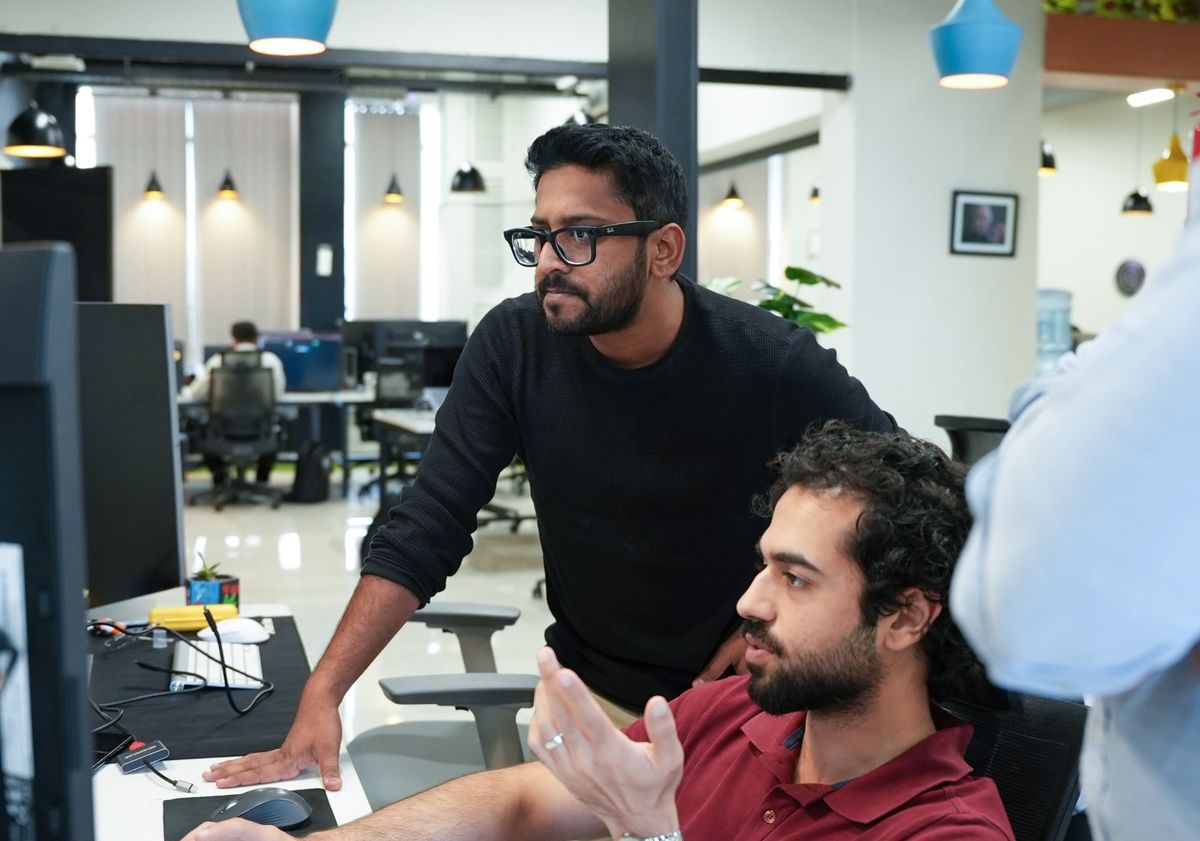
What an associate product manager owns in year one at ImagineArt, how the path to PM, senior PM and group PM works, and who the role is for.
Read the story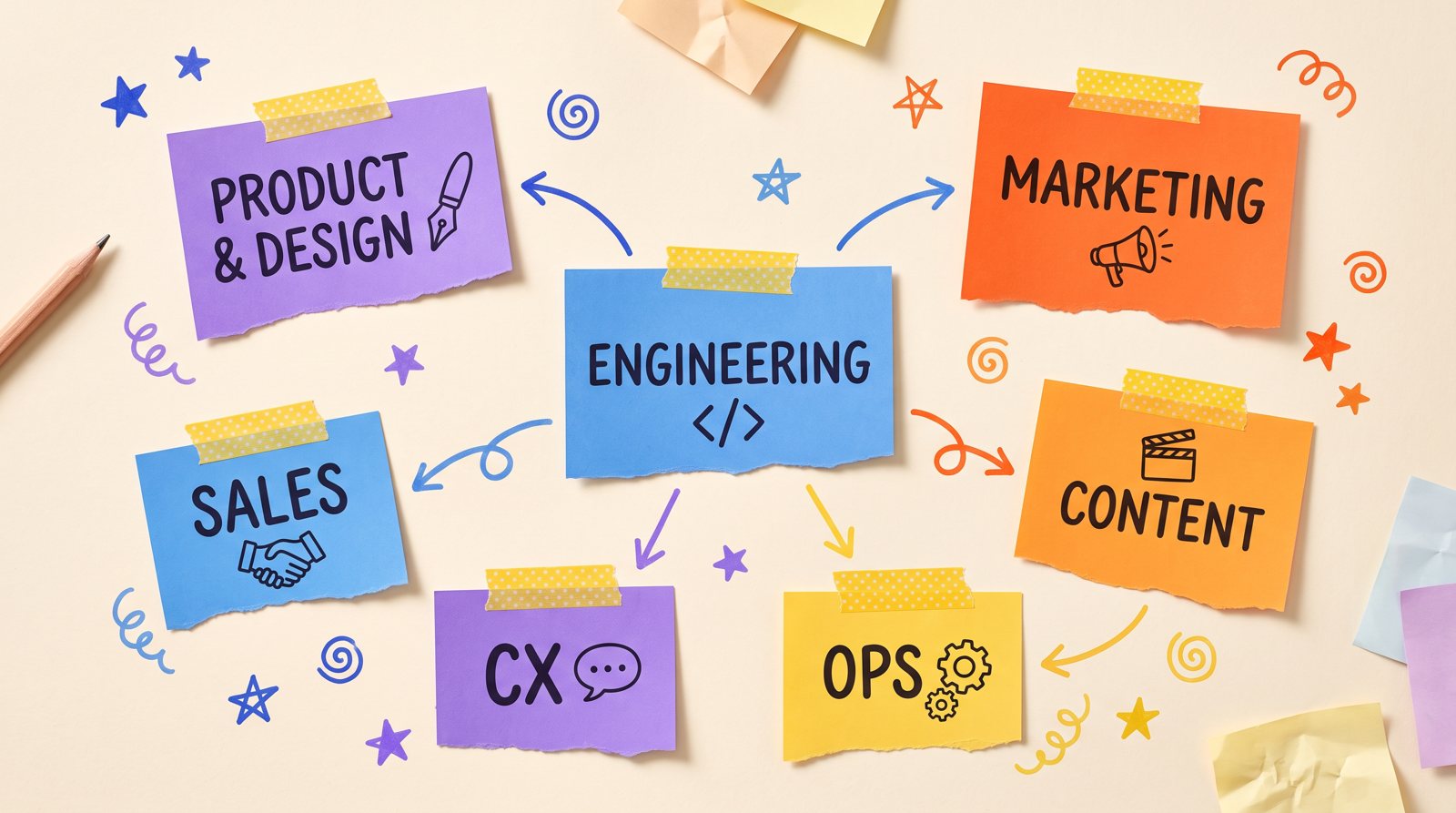
A complete guide to jobs at ImagineArt: engineering, AI, product, design, marketing, content, sales, customer experience and operations roles in San Francisco, Islamabad and remote.
Read the story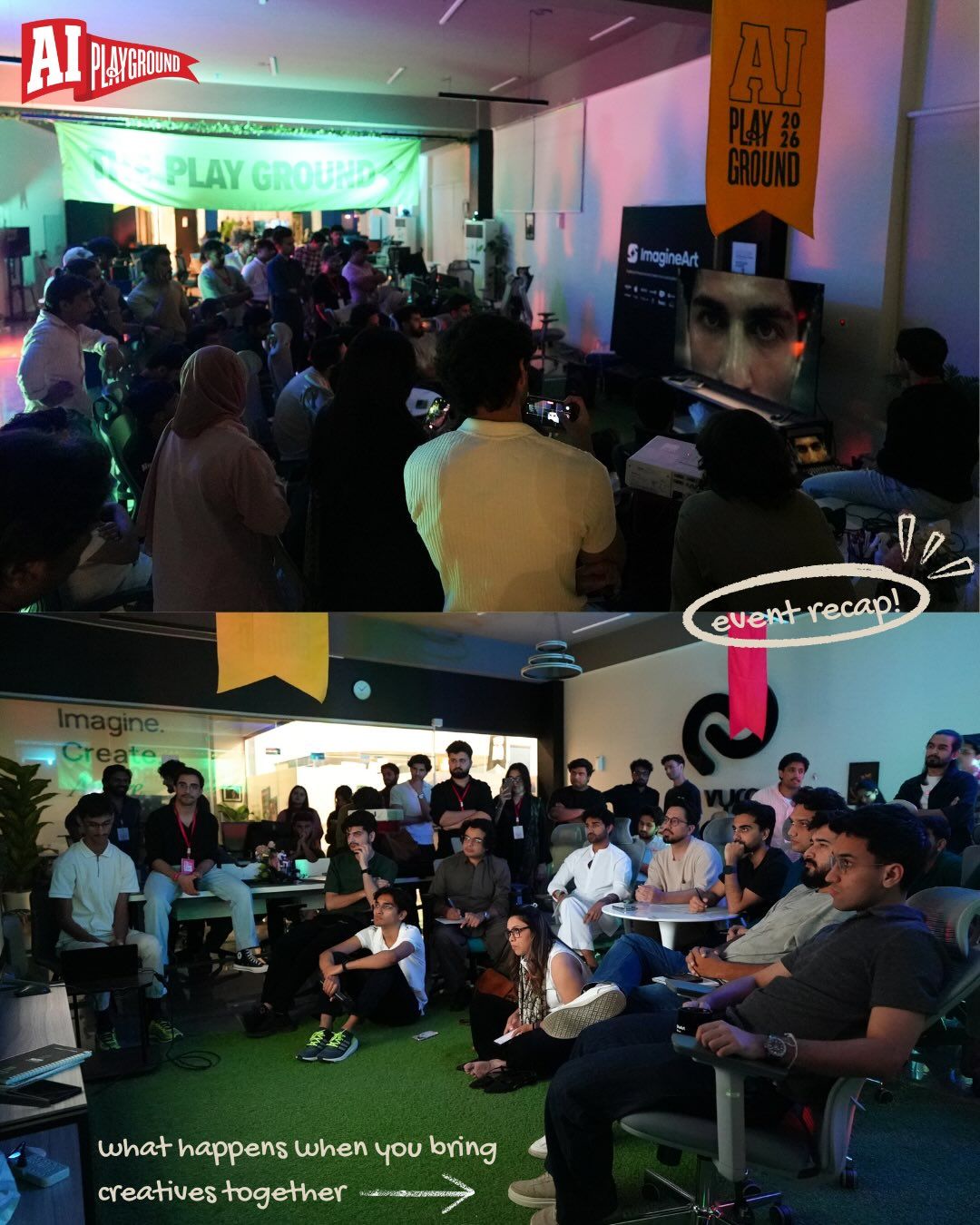
What writers, AI content creators, AI filmmakers, video editors, cinematographers and the Imagine Soul team do at ImagineArt in Islamabad.
Read the story
Join the team taking ImagineArt from Islamabad to the whole world.
See open roles16