FMCG · Unilever
How ImagineArt rebuilt Unilever's creative production engine
Unilever's B&W Division ran its entire creative pipeline through ImagineArt for six weeks. The cost and time structure of production changed immediately, and so did the volume a fixed team could ship, without adding a single new hire.
- 25x cheaper
- Image production cost
- 7x faster
- Image turnaround speed
- 8x higher
- Output volume, same team and budget

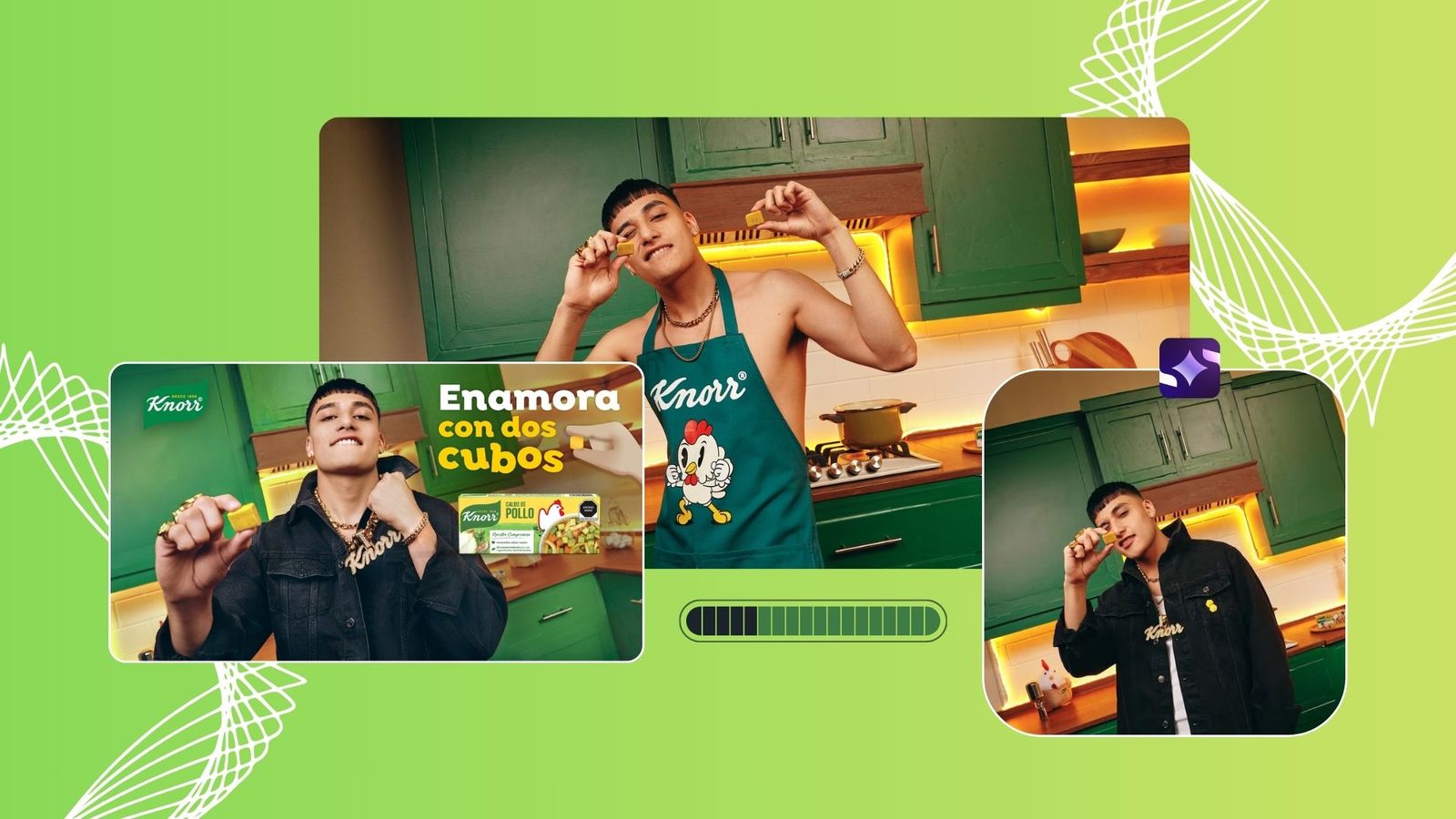
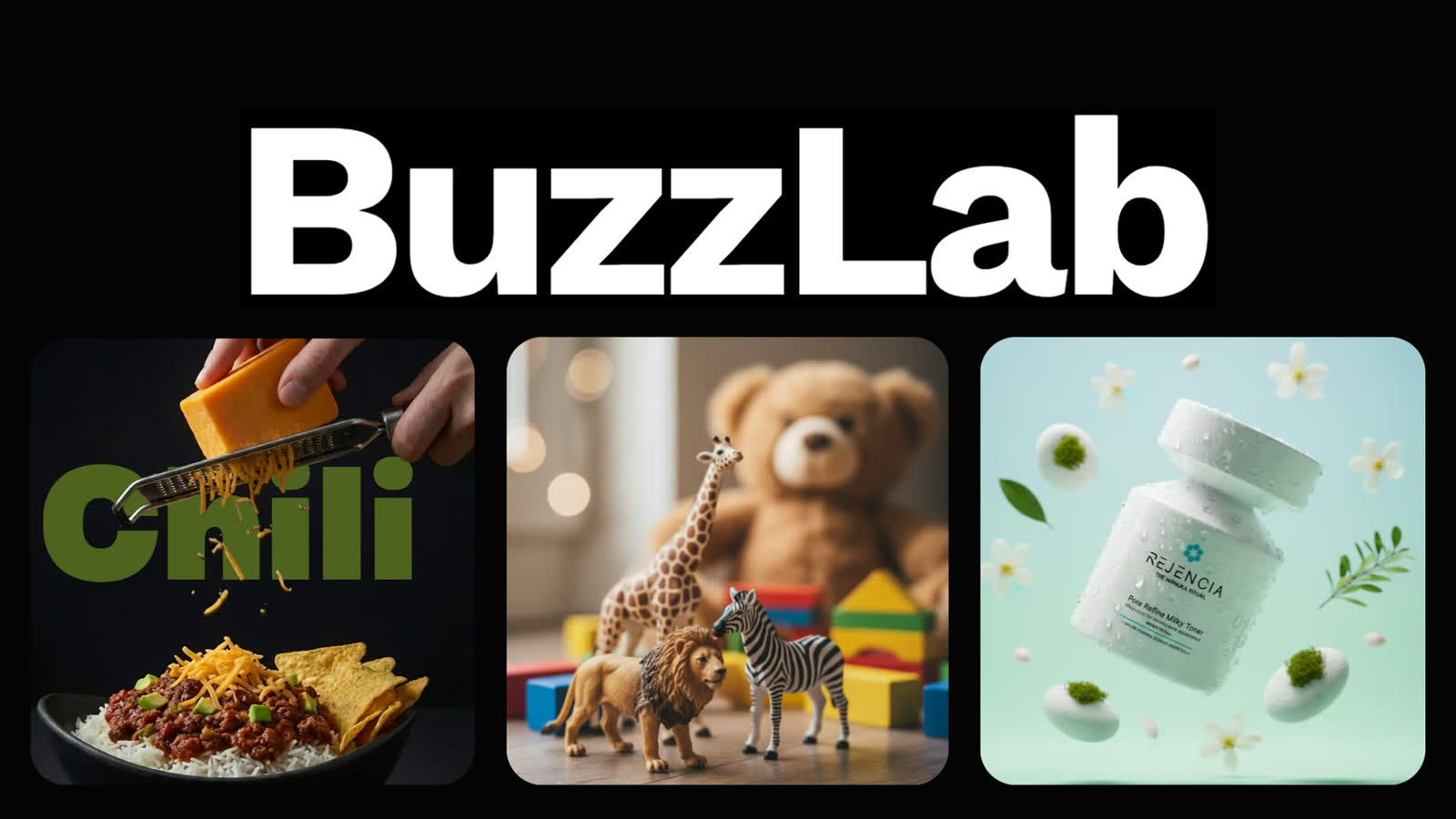
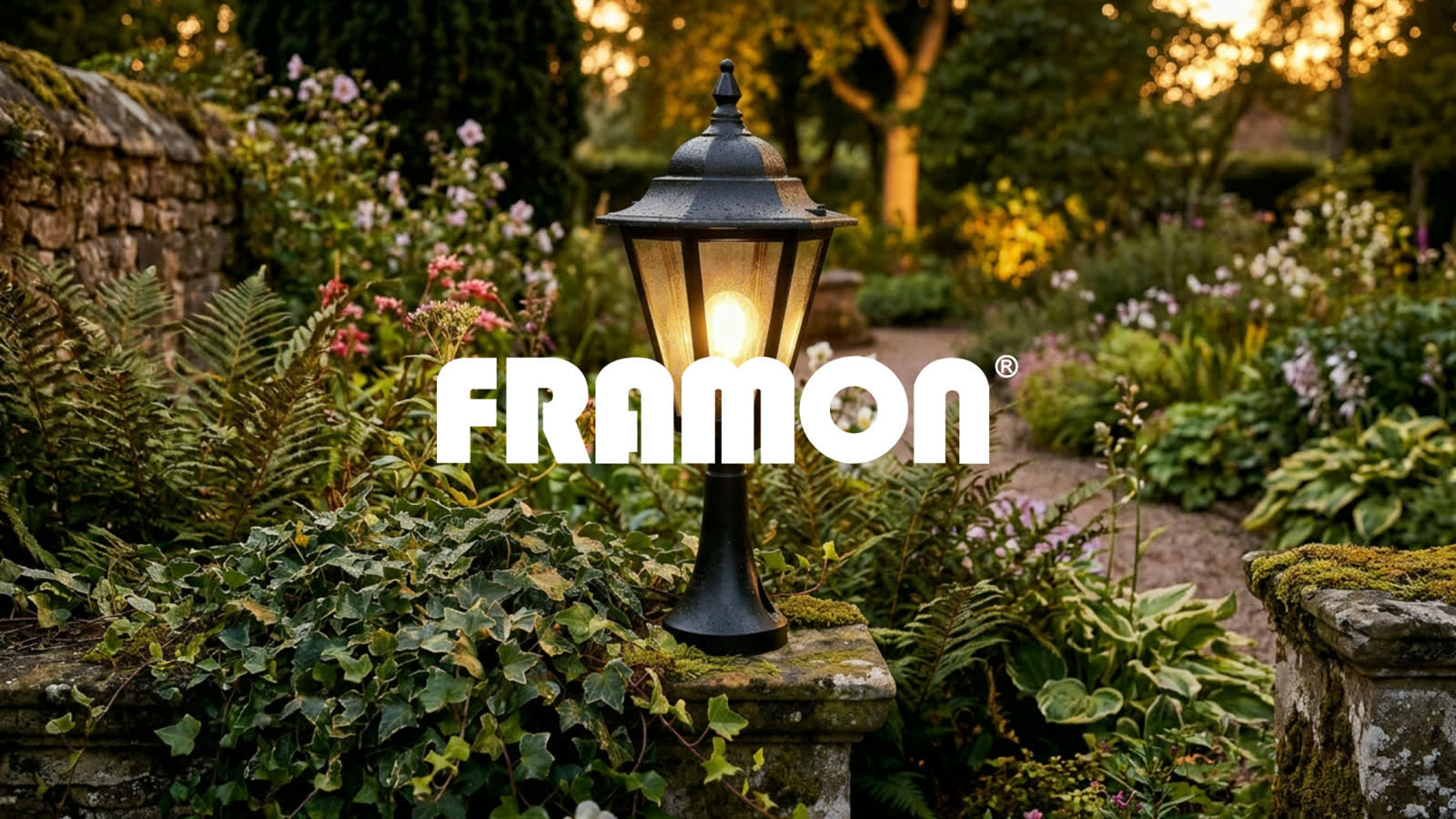
Unilever brand creative produced with ImagineArt
Executive Snapshot
Six weeks, one pipeline, every number moved
One Unilever division ran its entire creative pipeline through ImagineArt for six weeks. The cost and time structure of production changed immediately. So did the volume a fixed team could ship, without adding a single new hire.
The figures below come from the initial pilot reporting period. They are the numbers the rest of this case study builds on.
- Image production cost
- 25x cheaper
- Video production cost
- 3x cheaper
- Image turnaround speed
- 7x faster
- Video turnaround speed
- 4x faster
- Output volume, same resources
- 8x higher
Three teams. One shared workflow. 1,200 static assets and 300 video reels, produced inside ImagineArt in six weeks.
The Trigger
A scale problem no agency could solve alone
Unilever's B&W Division had a scale problem. Local markets needed campaign assets fast, and every one of those assets still had to clear a strict global brand check. Agency resources were already stretched thin before that demand even landed.
Humza Mahfooz, Social-First Transformation Lead at B&W, saw the mismatch clearly. He identified ImagineArt's core method: use large language models with structured system prompts to produce on-brand, locally specific concepts fast enough to match Unilever's campaign pace. That single insight is what got the pilot off the ground.
The Problem
A system straining at every joint
This was not one broken step. It was a system straining at every joint.
- High production costs were eating into campaign budgets across the division
- Agency resources were maxed out against the volume of briefs coming in, with no room left for a second pass
- No formal process existed for producing localised work that still met global brand guidelines
- Iteration cycles moved slower than Unilever's campaign calendar demanded
- Local nuance got cut first whenever a deadline tightened
Put those five together and the real cost shows up: campaigns that shipped late, cost more than they should have, and said less about the local market than they needed to. The design team absorbed the overflow at every stage, which turned a finishing step into the biggest bottleneck in the process.
The Solution
How Unilever runs on ImagineArt today
Unilever now runs its creative production through ImagineArt's Workflows feature. Copilot nodes handle the AI reasoning behind each brief. Multi-input reference nodes keep every new asset anchored to brand guidelines and prior creative, so nothing drifts off-brand between markets.
Image nodes run on models including NB Pro. Video nodes run on Veo 3.1. AI Resize takes a finished asset and reshapes it for whatever platform it needs to hit next, so one piece of creative becomes a full set of placements without a second production cycle.
That is the machine. Three teams run it, each with a distinct job.
Brand managers now write campaign briefs with ImagineArt's system prompts already built into how they think. Teams built AI fluency over the course of the pilot, and now write briefs assuming the platform will execute them: a workflow fully absorbed into how the division works, not a tool bolted onto an old process.
Team Reactivate's strategists operate ImagineArt directly. Concept generation, copy, and full artwork production all happen inside the platform, start to finish. The agency already works with most Unilever brands across Pakistan and the wider MENA region, so this pilot was never a narrow, single-brand test.
The in-house design team now steps in only for final touchups. That one change removed the biggest bottleneck in the old process: work that used to queue for days now clears in hours, and the design team's time goes to polish instead of production.
The Results
Every number moved in the pilot's favour
Image production costs dropped 25x. Video production costs dropped 3x. Image turnaround got 7x faster, and video turnaround got 4x faster. Output volume, using the same team and the same budget, came in 8x higher.
Numbers on a page are one thing. What they produced is another: 1,200 static assets and 300 video reels, built inside ImagineArt in six weeks, by three teams working off one shared system. Senior Unilever leadership noticed. They now send concepts for high-priority campaigns straight to the platform, which is as clear a trust signal as an enterprise pilot gets.
The Adoption Story
Earning trust through work that shipped
The rollout was not frictionless. But the resistance was never about AI. It was about capacity. Team Reactivate had an ambitious pilot scope and a small team to run it.
ImagineArt sent forward-deployed creatives to close that gap: hands-on training, in-house support, real work done side by side instead of a manual handed over and left behind.
That investment paid off well past the pilot's original scope. Team Reactivate now runs ImagineArt independently across live campaigns. Brand managers write briefs assuming the platform's capabilities are already there. Senior leadership routes high-priority work to it directly. None of that happens without real trust, earned through work that actually shipped.
Expansion
The plug-and-play playbook
Team Reactivate's reach across Pakistan and MENA means this deployment was never going to stay contained to one market. The infrastructure built during the pilot, the prompts, the reference workflows and the trained team, already spans more ground than a single division.
The model travels because its parts travel. Structured system prompts hold the brand guidelines steady. Reference-anchored workflows keep every market's output consistent with the last. Forward-deployed support gets a new team running fast. Any Unilever market with a similar production bottleneck can pick this up with minimal setup.
That expansion is already moving:
- Unilever's project champion is introducing ImagineArt to Personal Care, Home Care, and Food & Beverage, each with several brands of its own and the same production bottleneck B&W had
- ImagineArt is in active conversations with Unilever Bangladesh about a similar rollout
- ImagineArt is also talking with Unilever B&W Global about extending the model past a single country
Why This Matters
Proof of a playbook, not a one-off win
Unilever's B&W pilot is proof of a playbook, not a one-off win. Large organisations with complex, multi-market brand portfolios, exactly the segment that matters most in creative software, can run high-volume, on-brand, locally specific production through ImagineArt at a fraction of what it used to cost.
How this adoption happened matters as much as the result. No one handed down a mandate from the top. One internal champion made a bet. The work backed it up, and the platform spread on its own until senior leadership was routing its most important campaigns through it. That is what real product-market fit looks like inside an enterprise account.
Structured prompts, reference-anchored workflows, and hands-on onboarding add up to something hard to remove once it is in place, and easy to extend once it is proven. Global FMCG, retail, and consumer brands carry the same structural problem Unilever had. ImagineArt now has a documented case that speaks directly to it.
The Unilever pilot answers a bigger question than what ImagineArt can do for one brand. It proves enterprise adoption works, and that the playbook to repeat it already exists.