GEO Tool for ChatGPT: Get Your Brand Cited in AI Search
Our GEO tool measures how often ChatGPT, Perplexity, Gemini and Google AI Overviews name your brand, then shows you how to fix it. Fourteen skills cover generative engine optimization, from AI visibility tracking to llms.txt, in one plugin.

/geo-strategist$geo-strategist Use the ImagineArt GEO tool to run a full generative engine optimization (GEO and AEO) review for [BRAND] ([DOMAIN]) in [COUNTRY / LANGUAGE]. Category: [CATEGORY]. Competitors: [COMPETITOR 1-5]. 1. Diagnose: tell me whether we fail at being retrieved, cited or recommended in ChatGPT, Perplexity, Gemini, Claude, Copilot and Google AI Overviews. 2. Prompt panel: build 40 buyer questions tagged by intent and brand type, grouped by paraphrase, and tell me how precise the results can be. 3. Visibility: analyse the attached AI answers file [ATTACH] for mention rate, share of voice and named-first rate per engine, with 95% intervals. 4. Citations: show which domains and pages get cited, which of our pages are cited without naming us, dead cited URLs, and the top third-party targets. 5. Technical: audit this robots.txt [PASTE] and homepage HTML [PASTE] for GPTBot, OAI-SearchBot, ClaudeBot and PerplexityBot access, snippet controls, JavaScript-only content and schema markup. 6. Traffic: from the attached server logs or GA4 export [ATTACH], show AI crawler hits, blocked requests and AI referral visits. 7. Citability: compare [OUR URL] with [CITED URL] for the question "[QUESTION]" and rewrite the three weakest passages. 8. Content: write an article answering "[QUESTION]" and optimise our [PRICING / COMPARISON] page for AI answers. 9. Reputation: check what AI says about us against this fact sheet [PASTE] and flag wrong or outdated claims. 10. Off-site: draft pitches for the top three mention targets (publisher lists, G2, Reddit, YouTube). 11. Files: write a new robots.txt (training crawlers: [ALLOW / BLOCK / KEEP]) and an llms.txt from [SITEMAP URL]. 12. Social: rewrite our YouTube descriptions and profile bios, fix Open Graph tags, and give me the sameAs block. Finish with one prioritised plan: five actions for this week, five for later, what not to do, and how we re-measure in four weeks.
Inside the GEO tool
Explore the 14 skills included in this GEO tool, grouped by job.
 geo-strategistPlan
 geo-action-planPlan
 geo-prompt-panelMeasure
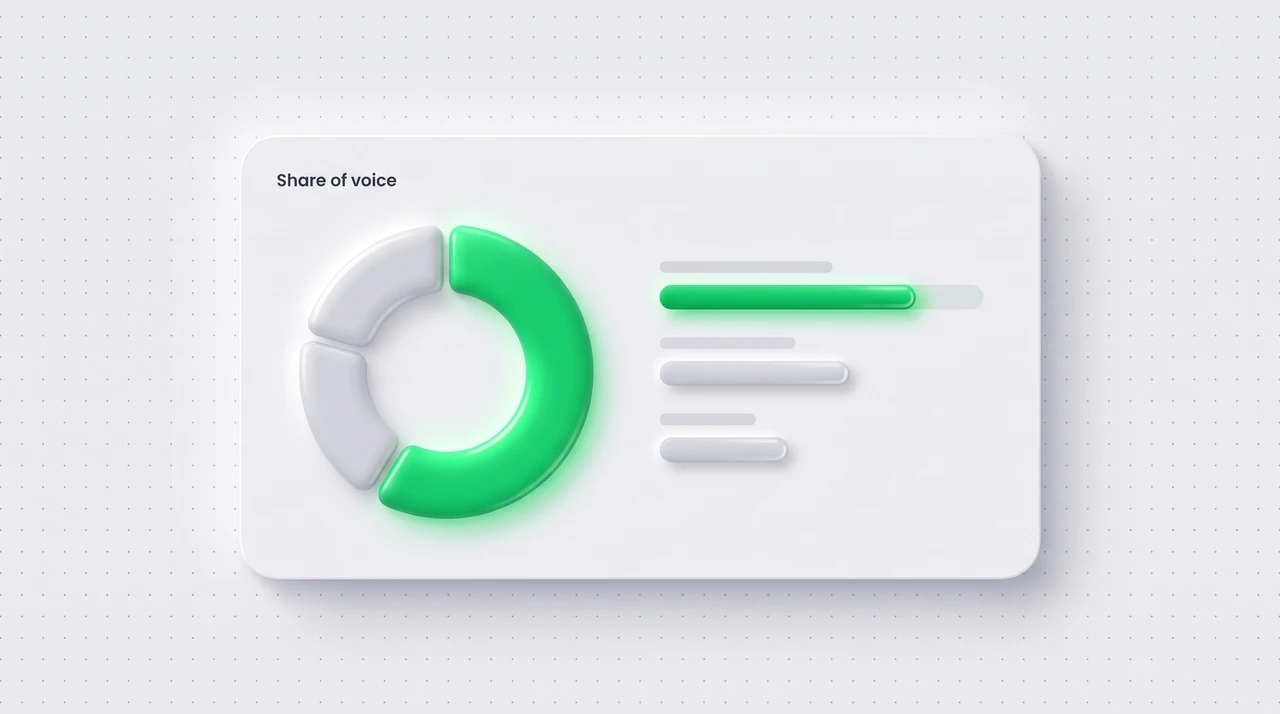 geo-visibility-reportMeasure
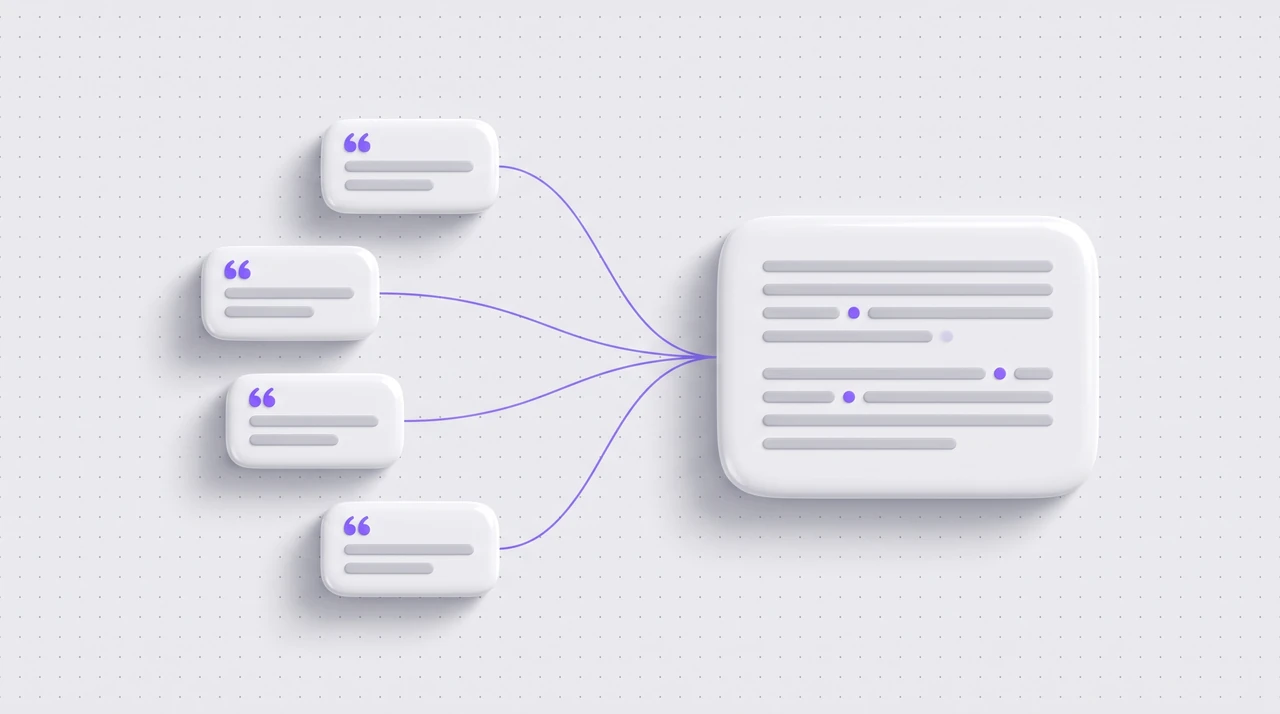 geo-citation-analysisMeasure
 geo-ai-trafficMeasure
 geo-technical-auditFix
 geo-robots-llms-txtFix
 geo-citability-auditFix
 geo-reputation-auditFix
 geo-article-writerCreate
 geo-page-optimizerCreate
 geo-social-metadataCreate
 geo-offsite-mentionsEarn
The GEO tool that diagnoses why AI skips your brand
This GEO tool starts with a diagnosis. It works out whether ChatGPT, Perplexity, Gemini and Google AI Overviews fail to retrieve your site, cite your pages or recommend your brand, because each problem needs a different fix. Share your brand, domain and competitors, and it sequences the other skills into one prioritised generative engine optimization plan with a built-in way to measure progress.
Try in ChatGPTTurn GEO audit findings into a prioritised action plan
Every recommendation from this GEO tool is specific, evidenced and assigned: which prompts, pages or logs back it, whether it moves retrieval, citation or recommendation, the effort, the owner and how success is judged. You get five actions to start this week, five for later, and a list of tempting tactics the evidence does not support. It can also audit an agency's plan.
Try in ChatGPTBuild a prompt panel to measure AI visibility
AI visibility is only as reliable as the prompts behind it. Build a tagged panel of buyer questions from your category, competitors, People Also Ask and Search Console queries, grouped by intent and brand type. It states the precision your sample can reach before you collect any answers, then hands you a collection sheet and manual protocol that needs no paid AI visibility tool.
Try in ChatGPTTrack share of voice in ChatGPT, Perplexity and Gemini
Paste AI answers or upload an export from any AI visibility tool to see how often each brand is named in ChatGPT, Perplexity, Gemini, Claude, Copilot and Google AI Mode. Mention rate, share of voice and named-first rate arrive with 95% intervals, so real gaps stand apart from noise. Rankings are never invented, because brand order rarely repeats between runs.
Try in ChatGPTSee which sources AI engines cite
Citations reveal what answer engines trust. Upload answers with cited URLs and the skill splits sources into your domain, competitors and third parties, such as review platforms, Reddit threads and publisher lists. It flags pages cited without naming your brand, dead cited URLs, and competitor pages winning your questions, then ranks outside pages where earning a brand mention could change the answer.
Try in ChatGPTTrack AI crawlers and AI referral traffic
Upload nginx, Apache, Cloudflare, Vercel or CloudFront logs, or a GA4 export, to see which AI crawlers request which pages and which receive 403 or 429 errors. It also counts visits arriving from ChatGPT, Perplexity, Claude, Gemini and Copilot, including the ChatGPT UTM. Every referral figure is labelled a floor, because some AI traffic cannot be separated.
Try in ChatGPTTechnical GEO audit: can AI crawlers reach your site?
Before content matters, GPTBot, OAI-SearchBot, ClaudeBot, PerplexityBot, Googlebot and Bingbot must be able to fetch and quote your pages. This technical GEO audit checks robots.txt, CDN and firewall blocking, noindex and snippet controls, JavaScript-only content, canonicals and schema markup. It separates training bots from retrieval bots, so you never block the wrong one.
Try in ChatGPTCreate robots.txt and llms.txt for AI crawlers
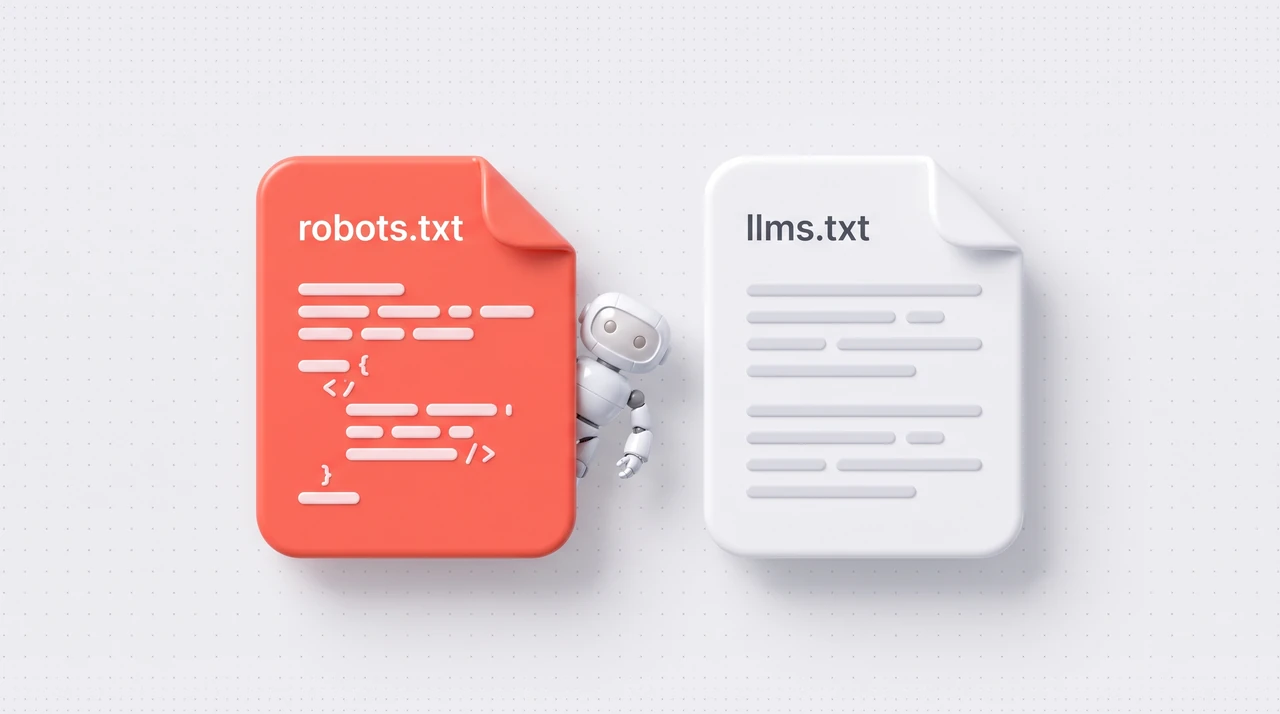
Keep OAI-SearchBot, Claude-SearchBot and PerplexityBot open while applying your own choice on GPTBot, ClaudeBot, CCBot and Google-Extended. The skill audits your current robots.txt, preserves your existing rules, verifies the result and gives you a deployment checklist. It also builds a valid llms.txt from your sitemap, and is upfront that llms.txt is optional housekeeping.
Try in ChatGPTFind out why AI cites your competitor instead
Give it your page, the question it should win and the page the AI engine cites instead. A pass or fail citability check covers answer-first openings, specifics, sources, dates, self-contained sections and comparison tables. You get a side-by-side comparison, the decisive differences, and before-and-after rewrites of the three to five passages that matter, with no made-up GEO score.
Try in ChatGPTFix wrong or outdated brand facts in AI answers
Start from a fact sheet of what is true. The audit checks what ChatGPT, Gemini and Perplexity say about your pricing, plans and features against it, labelling each claim correct, outdated, wrong or unverifiable. It traces bad claims to their sources, finds where competitors are praised and you are only mentioned, and recommends the fix for each.
Try in ChatGPTWrite articles for AI search and answer engines
Choose the exact question a buyer types into ChatGPT, then build the article around it: a quotable first sentence, question-led headings, follow-up questions, comparison tables and sourced facts. It never invents statistics or expert quotes, leaving visible placeholders instead. A pre-publish checklist keeps answer engine optimization compatible with classic SEO, so Google rankings stay safe.
Try in ChatGPTOptimise landing pages for generative engine optimization
Buyers ask AI for the best tool, X versus Y and pricing. Rework product, pricing, comparison and alternatives pages so they answer with specific, dated facts, while the reason to click stays outside the quotable block. It adds JSON-LD schema.org markup that matches the page, such as Organization and SoftwareApplication, and scans for overclaims an engine could contradict.
Try in ChatGPTOptimise YouTube and social metadata for AI search
Answer engines read text, not pixels. Rewrite YouTube titles, descriptions, chapters and captions, align profile bios across LinkedIn, Instagram, X, TikTok and Threads, fix Open Graph and X card tags, and generate sameAs and VideoObject markup that ties every profile to your site. A built-in check flags any number or claim missing from your inputs.
Try in ChatGPTEarn brand mentions where AI looks for answers
Recommendations depend on what the web says about you. This GEO tool qualifies target pages, such as best-of lists, G2 and Capterra profiles, YouTube videos, Reddit threads and Wikipedia, then drafts short, honest pitches within each platform's rules. You send the outreach; it prepares the pitches and tracks which mentions land.
Try in ChatGPTStart using the GEO tool in 3 steps
Run a full generative engine optimization audit. Turn your own AI answers, pages and server logs into one prioritised plan for AI search visibility.
- Download ChatGPT
Download ChatGPT Desktop
Install the ChatGPT desktop app on your computer.
- Install plugin
Install the ImagineArt GEO tool plugin
Add the ImagineArt GEO tool to ChatGPT to use this workflow.
Run the workflow
Copy this prompt into ChatGPT and add your inputs to get started.
Questions
What is a GEO tool?
A GEO tool helps your brand show up in AI-generated answers from ChatGPT, Perplexity, Gemini, Claude, Copilot and Google AI Overviews. GEO stands for generative engine optimization. This one measures how often AI names your brand, finds why engines cite competitors, checks crawler access and rewrites pages so answer engines can quote them.
How is GEO different from SEO?
SEO earns rankings in a list of search results. GEO earns a place inside the answer itself: being retrieved, cited and recommended by AI engines. The two overlap, since AI search often pulls from pages that already rank, and the skills are built to keep normal Google rankings safe while improving how AI engines read and quote your pages.
Do I need an AI visibility tracking subscription?
No. The skills work from what you provide: AI answers you paste, an export from any AI visibility tool, your robots.txt, page HTML, server logs or a GA4 export. The prompt panel includes a manual collection protocol, so you can measure share of voice yourself. If you already pay for a tracker, its export can be analysed directly.
Which AI engines does the GEO tool cover?
It analyses answers from ChatGPT, Perplexity, Gemini, Claude, Copilot, and Google AI Overviews and AI Mode, reporting results per engine because they behave differently. Its crawler checks cover GPTBot, OAI-SearchBot, ClaudeBot, Claude-SearchBot, PerplexityBot, Googlebot and Bingbot, and separate training crawlers from the retrieval crawlers that decide whether answers can include your site.
Can this GEO tool guarantee my brand will be recommended by ChatGPT?
No, and any tool that promises a guaranteed lift or a fixed AI ranking is overselling. AI answers change from run to run, so results are reported as rates with 95% intervals, never as positions. What the skills do is remove blockers, make pages quotable and checkable, and show whether your visibility moved when you re-measure.