Culture isn't branded activities
At ImagineArt, culture is built through the hard work and sheer will of the people on the team, not through events, merch or perks that look good on social media.
Read the story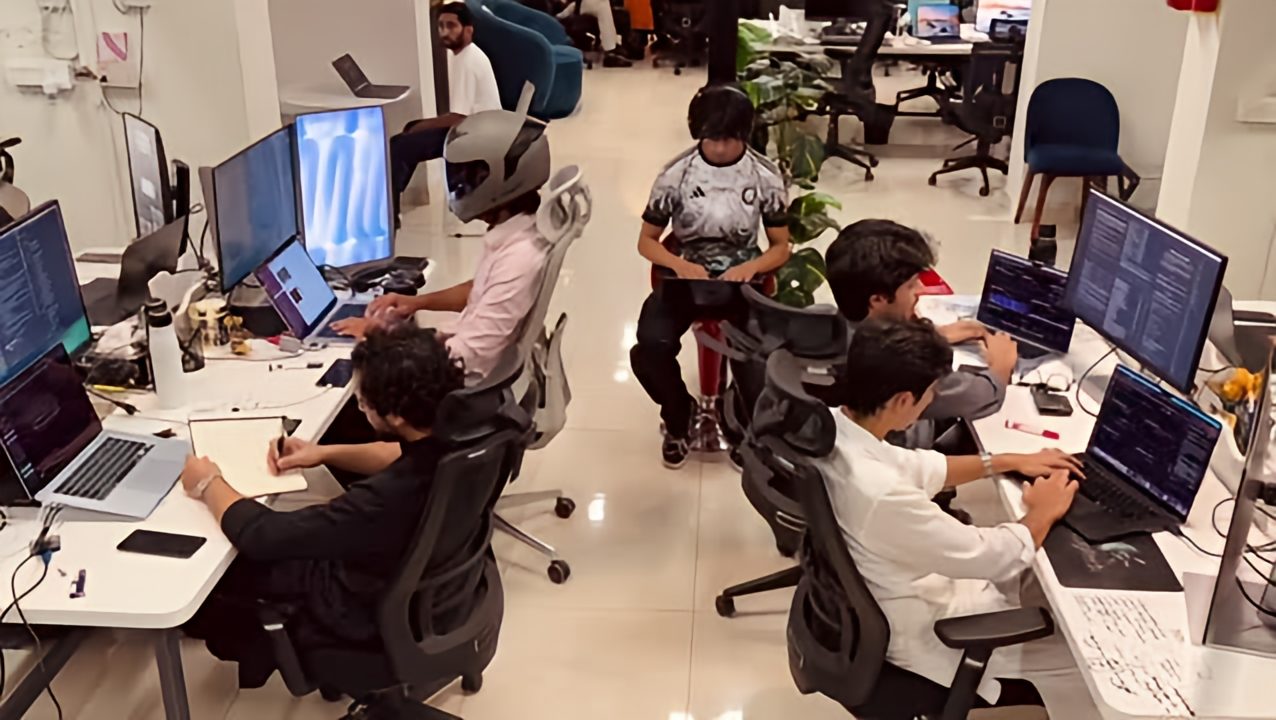
Three years ago, ImagineArt was three people. Today we're a team of 50+, our revenue has grown 100×, and our product is used by millions of creators and more than 1,000 organizations.
People often ask what changed. A lot did. But one decision doesn't get talked about enough: we gave young talent a chance.
When we opened our first roles, we had a choice. We could chase the CVs with the biggest logos on them, or we could trust people who were early in their careers but had something you can't teach.
We chose the second.
We chose hunger over pedigree. Curiosity over credentials. Looking back now, it's one of the best decisions we've ever made.
That's our co-founder and CTO, Abdullah Rafique. He has watched the bet play out every day since: a team that shows up with discipline, owns the product like it's their own, debates ideas at midnight, and then ships, breaks things, fixes them and ships again. In one week alone, that team shipped five new integrations, with Framer, Shopify, Glama AI, Smithery and Make.
Our hiring playbook says it plainly: we will never find the perfect candidate, so we don't pretend to look for one. We filter for what the role genuinely needs, and then we hire for potential.
In practice that means we care much less about where you studied or how many years you've done something, and much more about:
AI has made it easy for anyone to produce a polished résumé, cover letter and portfolio. So a good-looking CV isn't a differentiator anymore; everyone should have one by default.
What still stands out is evidence that you can do things. If we were applying today, here's what we'd spend our time on:
And learn to really use AI, rather than listing another course.
Betting on early-career people only works if they get real responsibility. So you won't spend your first year watching. Saad Ahmed joined us in 2023 to work on mobile. A year later he was handed ImagineArt Web, took it through three major pivots, and today he's our Group Product Manager.
That's the deal: we bet on you early, and you get the kind of ownership most people wait a decade for.
If that sounds like you, take a look at our open roles.
Yes. Many of ImagineArt's engineers, product managers and creators joined within a year or two of graduating. The company hires for potential and looks for proof that you can build things.
Build something real and get people to use it, automate something in your own life, contribute to open source, post what you're learning, and show genuine AI fluency. A polished CV alone is no longer a differentiator.
It means ImagineArt values drive, curiosity and evidence of ownership over university brand or years of experience. Early-career people get real responsibility quickly.
Not seeing your role? Join the talent pool and we'll reach out when one opens.
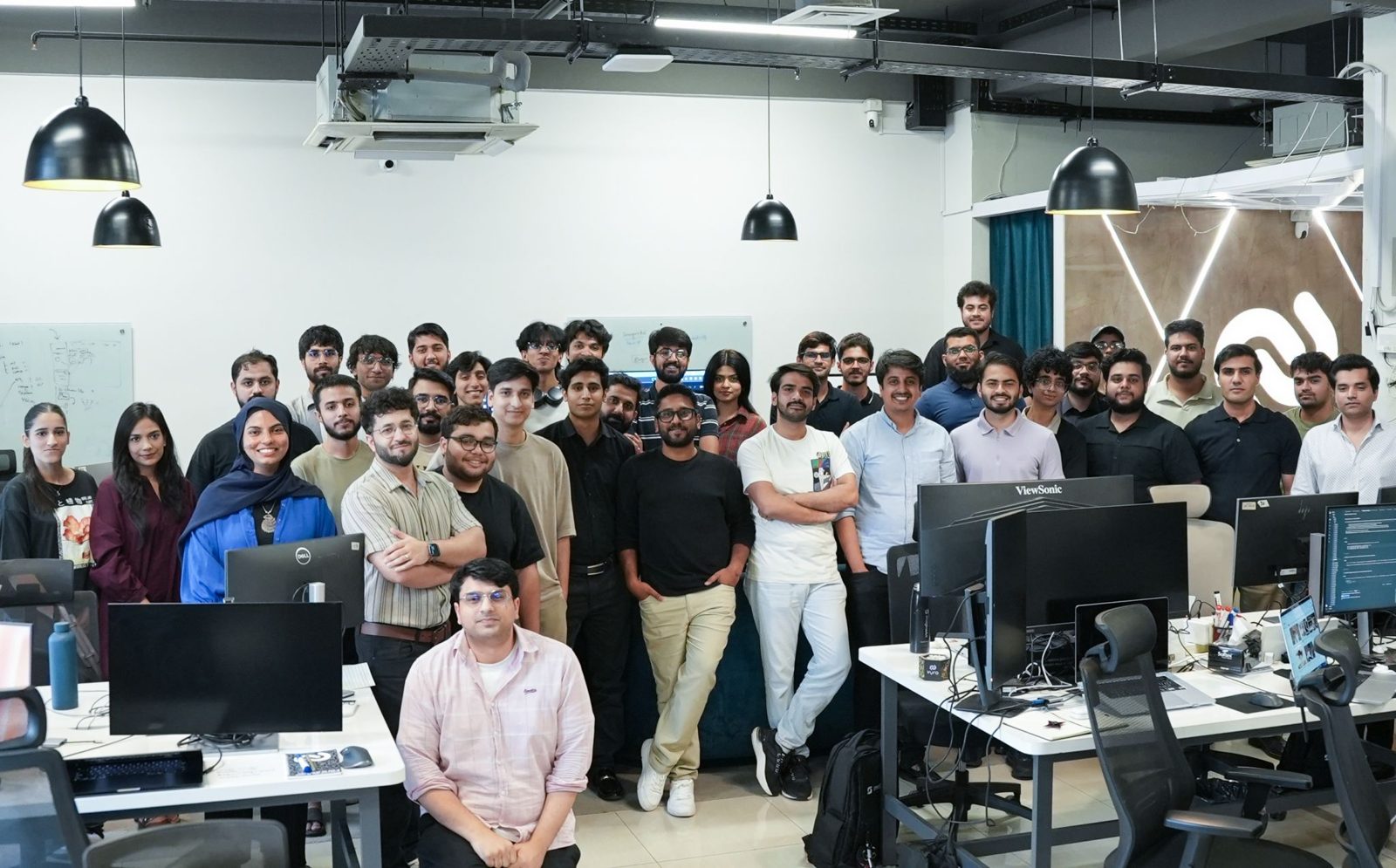
At ImagineArt, culture is built through the hard work and sheer will of the people on the team, not through events, merch or perks that look good on social media.
Read the story
What ImagineArt takes from Sam Altman's Startup Playbook, Revolut's high-performance culture and the Bending Spoons talent bar.
Read the story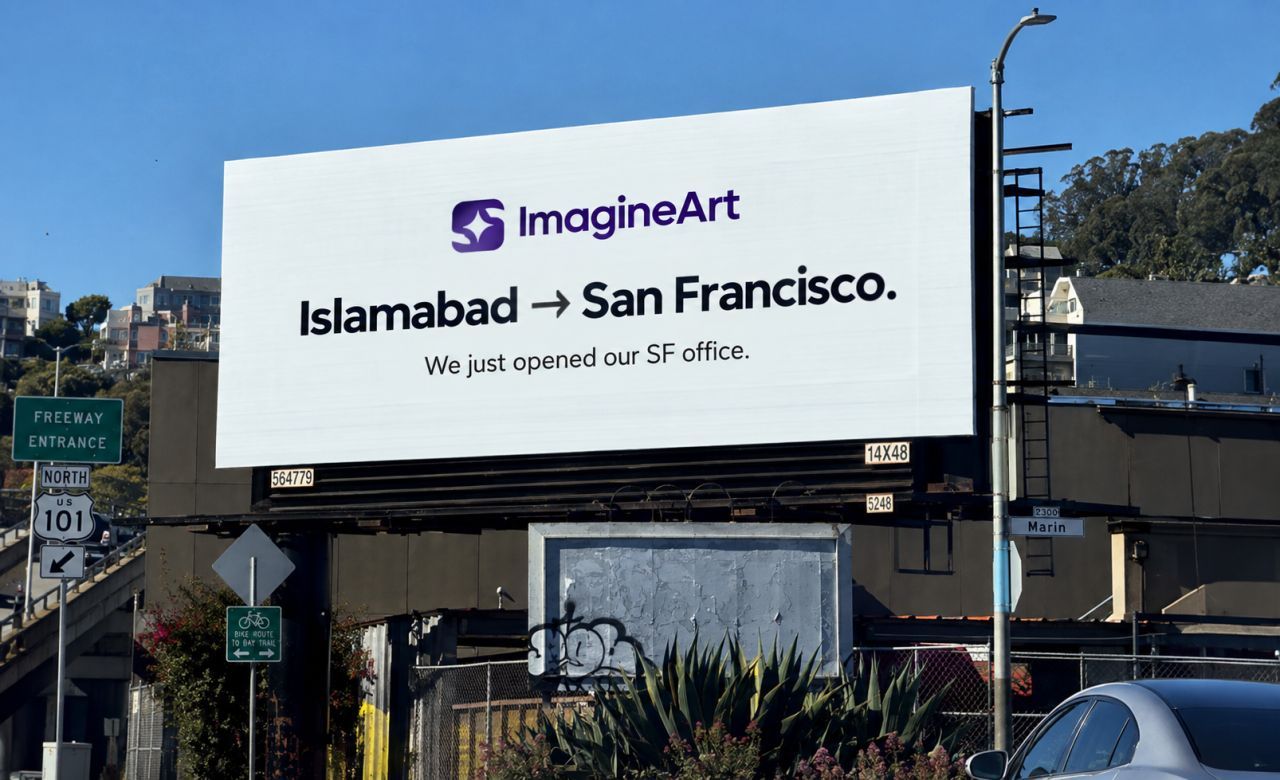
ImagineArt started in Islamabad, bootstrapped to $35M+ ARR, and just opened its San Francisco office. The story of how we got here, in our founders' words.
Read the story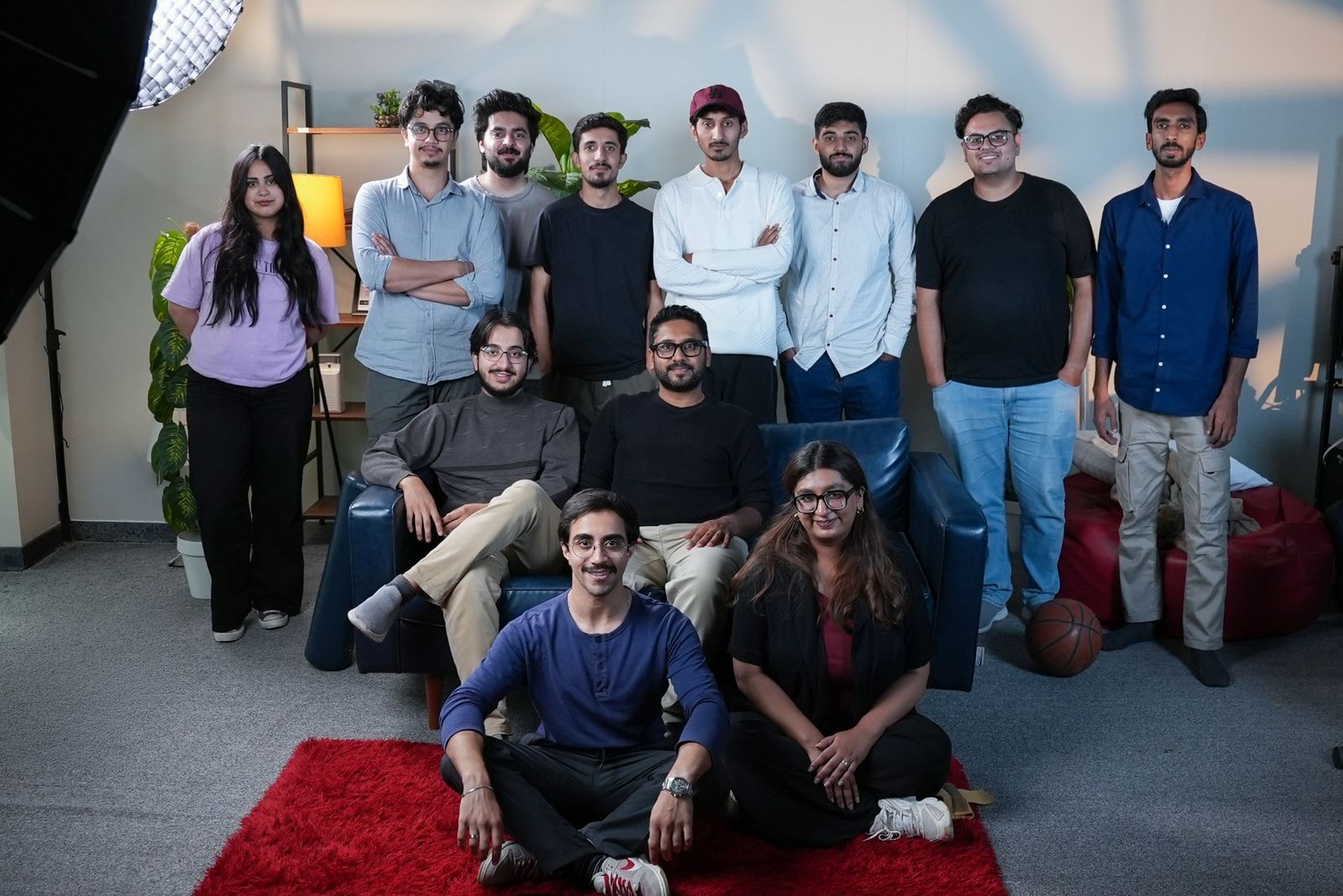
Join the team taking ImagineArt from Islamabad to the whole world.
See open roles16