Sports marketing in 2026 operates at a pace no other marketing category matches: and organizations without AI-powered creative infrastructure are consistently too slow to capture the full value of every event. Understanding which sports marketing trends require infrastructure investment versus tactical response is the operational question every sports marketing team faces this year. The performance gap is measured in social reach, sponsorship retention, and merchandise revenue. These are the thirteen sports marketing trends defining the creative infrastructure gap in 2026.
Real-Time Game-Day Content at Scale
Game-day content is sports marketing's most valuable and most time-constrained creative output. The social posts, highlight clips, graphic assets, and fan engagement content produced during and immediately after a live event determine how much of the attention spike generated by the event the brand captures and converts into sustained fan engagement.
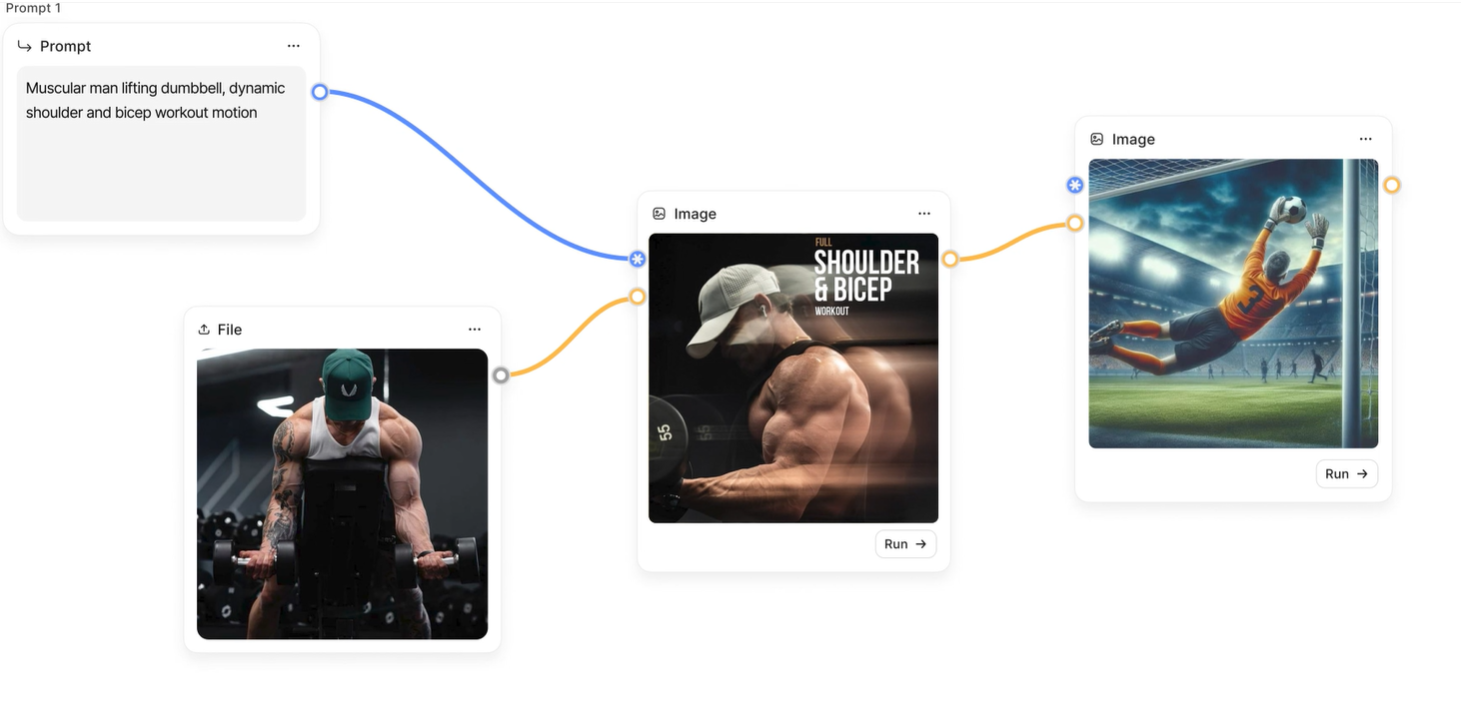 Content at scale with ImagineArt Workflows
Real-time game-day sports content is the most time-sensitive of all sports marketing trends: and the sports organizations producing it at professional quality and platform-appropriate speed are building social followings that compound over a season. Those relying on manual workflows are consistently too slow to capture the peak attention window. AI creative production infrastructure enables sports marketing teams to generate game-specific creative: score graphics, player achievement visuals, tactical analysis content: at the speed that live sports demands.
AI Creative Production at Scale
Sports organizations operate one of the most complex creative production portfolios in marketing. A professional sports franchise simultaneously runs team brand campaigns, player personal brand content, sponsor activation programs, merchandise marketing, ticket sales creative, and fan engagement content across a season of 40 to 80 events. Each game is a content opportunity. Each sponsor has distinct creative requirements. Each platform needs native formats.
ImagineArt is the creative AI for enterprises that need to produce that portfolio without building a production studio inside their marketing department. Sports marketing teams generate game-specific graphics, player feature content, sponsor activation assets, and merchandise promotional creative from structured briefs: at the volume and pace that a professional sports season demands. AI creative production at scale makes the full content opportunity of every game capturable.
Athlete and Team Personal Brand Programs
Athletes are no longer just representatives of their teams and sponsors. They are content platforms with audiences that in some cases exceed their team's own social following. Among sports marketing trends driven by organic reach, athlete personal brand content consistently delivers the highest engagement relative to production cost. The sports organizations that have built systematic athlete personal brand content programs are generating content reach and fan engagement that purely institutional content programs cannot match.
Athlete personal brand content that performs well is authentic to the individual athlete's personality and interests, not simply a brand extension of the team or sponsor. The organizations finding the balance between brand-aligned and genuinely personal athlete content are building the kind of fan relationships that sustain engagement between seasons and through contract transitions.
Sports Ecommerce and Merchandise DTC
Sports merchandise ecommerce is one of the fastest-growing revenue streams in professional sport: and the organizations treating it as a serious DTC channel rather than an ancillary store are building sustainable commercial infrastructure that game-day gate revenue cannot replicate. Jersey drops, limited-edition collaborations, and seasonal merchandise launches are all high-value commercial moments that require the same creative investment as any premium DTC brand.
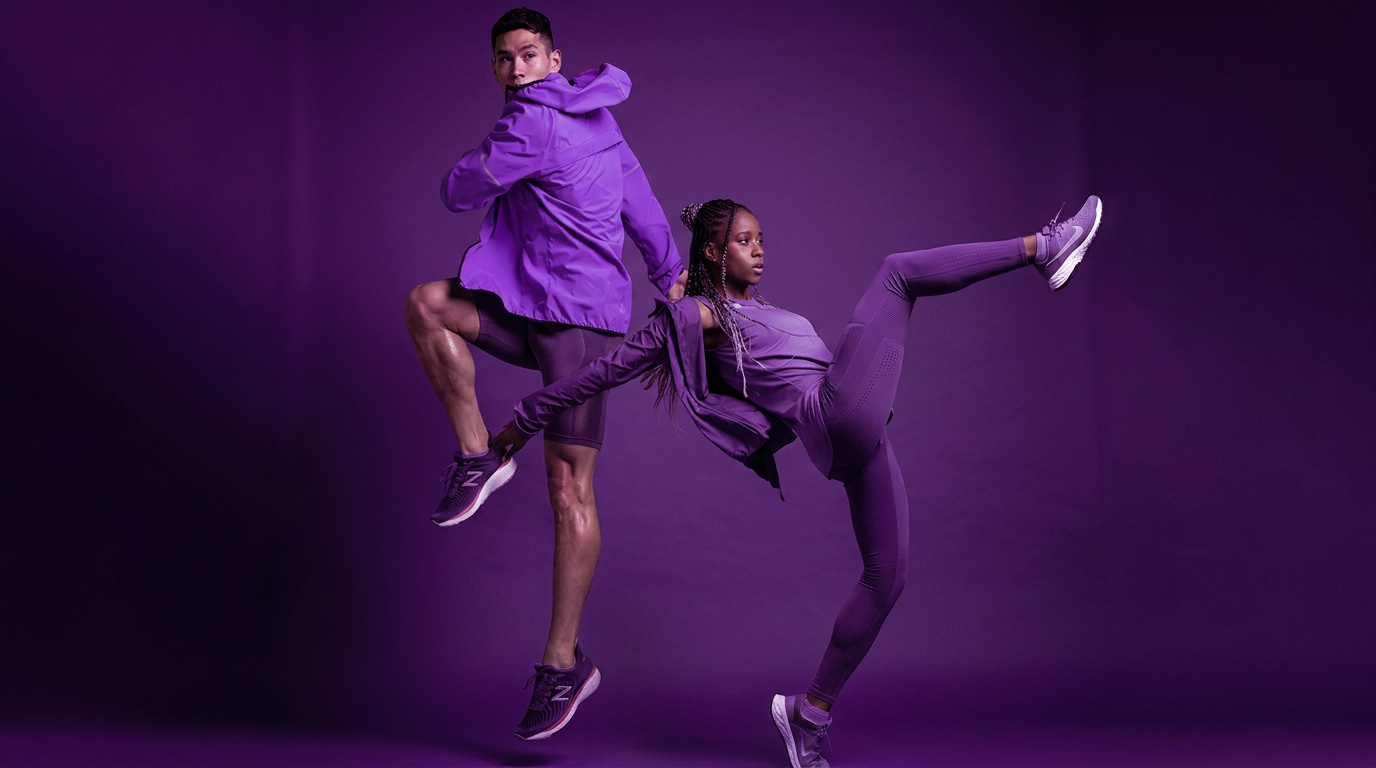 Sports Ecommerce Content
For sports ecommerce content at scale, AI-generated product imagery, lifestyle context visuals, and launch campaign assets enable sports organizations to market the full depth of their merchandise catalog with the creative quality that converts fan interest into purchase. The organizations building ecommerce creative infrastructure are growing merchandise revenue at rates that relying on in-stadium retail alone cannot approach.
Fan Engagement Creative Campaigns
Fan engagement has evolved from a community management function into a core marketing discipline in sports. The organizations treating fan engagement as a creative program: with designed content experiences, interactive campaigns, and fan participation mechanics built into the content strategy: are building deeper fan relationships and more valuable data assets than those treating it as a reactive social media management activity.
Fan-generated content programs, trivia and prediction campaigns, personalized fan recognition content, and milestone celebration assets all require creative production infrastructure that scales with the fan base. AI creative tools enable sports marketing teams to produce personalized fan engagement content: individual milestone cards, custom fan graphics, participation recognition assets: at the scale that large fan bases require.
Sponsorship Activation Asset Production at Speed
Sports sponsorship value is realized through activation: the marketing programs that bring the sponsorship to life for fans and consumers. Among sports marketing trends affecting commercial revenue, sponsorship activation creative quality is the variable that most directly determines renewal rates and rights fee growth.
The sports organizations that deliver high-quality activation creative to sponsors quickly are retaining and growing sponsorship relationships. Those that consistently deliver activation creative late or at below-brand quality are eroding the perceived value of their sponsorship inventory. AI creative production capabilities that enable fast, brand-accurate activation asset delivery are becoming a commercial differentiator in sports rights sales.
Merchandise Visualization and DTC Launch Content
Sports merchandise is a significant and growing revenue category for professional teams and leagues: and the brands that market merchandise with the same creative quality as their game-day content are converting fan interest into purchase at higher rates than those treating merchandise as an afterthought to the sporting content program.
AI-generated merchandise visualization enables sports organizations to produce high-quality product imagery for the full range of merchandise inventory: not just hero items: without physical photoshoots for every product variant. New merchandise launches with dedicated social campaigns, creator partnerships, and visual quality that competes with premium retail brands are generating DTC revenue that reactive in-season merchandising cannot approach.
Esports and Gaming Brand Crossover Content
The line between traditional sports and gaming culture has blurred significantly. Sports marketing trends in the esports and gaming adjacency are generating access to younger fan segments that traditional sports content programs struggle to reach. Esports investments, gaming content collaborations, and sports simulation game integrations all represent distribution channels into audiences that consume sports differently from traditional broadcast audiences.
The creative language that works in gaming and esports contexts is distinct from traditional sports marketing aesthetics: and the sports brands that have developed genuine competency in gaming-native content are building authentic relationships in these communities rather than the awkward brand intrusions that result from traditional sports marketing applied to gaming contexts.
Women's Sports Content Investment Surge
Women's sports is the fastest-growing audience segment in the global sports market: and the content investment gap between men's and women's sports is closing rapidly. Women's sports investment is among the fastest-moving sports marketing trends globally: the organizations, broadcasters, and brands that made early and genuine investment are building highly engaged fan relationships in communities that have historically been underserved by sports marketing.
Women's sports audiences reward authentic, quality investment. The brands that show up with the same creative standards they apply to men's sports equivalents are building loyalty and association with a sports culture moment that has significant long-term brand equity implications. Those producing women's sports content as a token gesture rather than a genuine investment are missing the moment entirely.
Multi-Market and Multi-Language Fan Content
Global sports fan bases are genuinely global: with significant audiences in markets whose primary language is not the team's operational language. The sports organizations that produce content for their international fan bases in local languages and with cultural calibration appropriate to each market are building international fan engagement that generic English-language content programs cannot generate.
AI-powered creative localization makes multi-market fan content viable at the scale that global sports audiences require. A Premier League club with significant fan bases in China, Southeast Asia, and North America cannot manually produce locally relevant content for each market simultaneously. AI creative infrastructure makes all of it achievable from a single content team.
Fantasy Sports and Fan Data-Driven Content Personalization
Fantasy sports, sports betting, and fan loyalty data are generating unprecedented insight into what individual fans care about. Among sports marketing trends involving data-driven personalization, fan data integration into content strategy produces the highest measurable engagement lift per implementation.
Personalized content programs driven by fan data: favorite player features, position-specific tactical content, personalized game recaps weighted toward the stats that matter to each fan: are generating engagement rates that generic team content cannot approach. The sports organizations treating fan data as a content personalization asset rather than just a CRM and ticketing tool are building the kind of fan relationships that sustain through competitive adversity.
Stadium and Venue Experience Content
The in-stadium and in-venue experience is one of sports marketing's most valuable brand assets: and one of its most underdocumented. The combination of physical attendance, shared experience, and high emotional engagement creates content opportunities that no other marketing context can replicate. Sports organizations that capture and distribute this experience through high-quality content are extending the value of the live event for those who attended and creating aspiration for those who did not.
AI-enhanced event photography and video production tools are enabling sports organizations to produce and distribute venue experience content at a scale and quality that manual production cannot match. Real-time content distribution during the event: crowd moment captures, venue atmosphere content, fan feature segments: amplifies the live event across social platforms while it is happening.
Athlete-Led Brand Partnerships Beyond Traditional Endorsements
The traditional athlete endorsement: athlete appears in brand advertising, brand pays fee: is being supplemented and in many cases replaced by deeper commercial partnerships where athletes are genuinely involved in product development, brand positioning, and content strategy. These partnerships generate more authentic content, more engaged fan audiences, and more durable brand associations than transactional endorsements.
Athletes with genuine content creation skills and authentic brand relationships are building commercial partnerships that go far beyond what their athletic platform alone would support. The brands and sports organizations facilitating these deeper partnerships: rather than simply licensing athlete imagery for campaigns: are accessing athlete audiences with the kind of genuine advocacy that paid advertising cannot buy. The fitness marketing sector is seeing the same dynamic with trainer and coach personal brands.
Build sports marketing workflows that scale.
Empower your design and marketing teams with AI-powered creative production built for sports — game-day content, sponsorship activation, and fan engagement assets at event speed.
Ready to put this into practice?