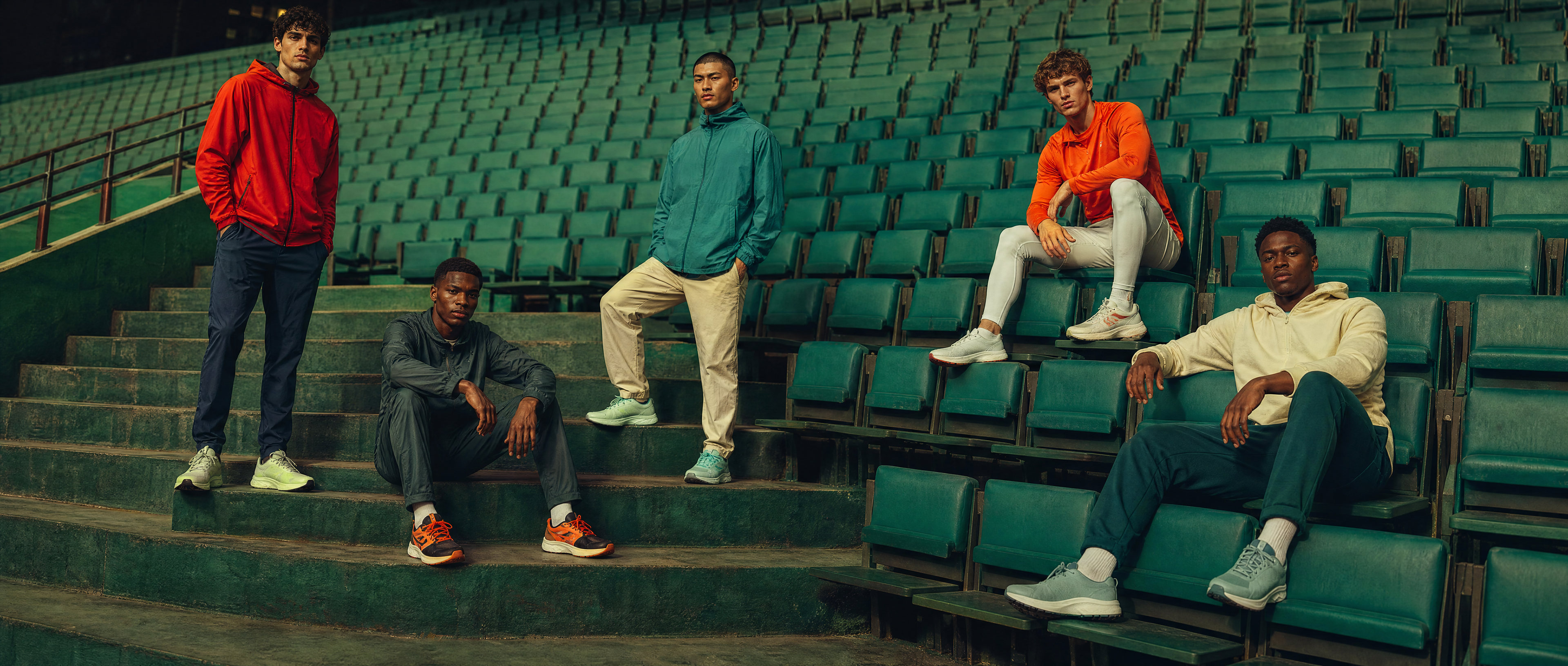
Running paid ads at scale means one thing above everything else: creative supply. And second, most brands run out of it fast.
DCO needs 5-plus variants per ad set. Programmatic needs hundreds of component combinations. A multi-channel campaign needs the same creative in six formats. When ad creative production depends on a design team working by hand, you hit a ceiling on volume, speed, or cost — usually all three.
But today, AI ad creative generators solve the creative production volume challenge. This guide covers what to look for in one and the tools that handle each part of ad creative production: image ads, video ads, fashion and lifestyle imagery, UGC, commercial video, and the workflow infrastructure that makes it repeatable at scale.
What to look for in an AI ad creative generator?
Most AI image generators can create social media posts with your business logo on it. But do all AI image generators and AI video generators create scroll-stopping ads, on-brand creatives, at scale?
And these factors exactly distinguish general purpose AI content tools from best AI ad creative generators that actually scale your marketing like it’s meant to in 2026.
1. Volume at Brief
The right tool generates dozens of on-spec variants from a single brief. Scale means multiple visual treatments, multiple copy directions, multiple formats, all from the same campaign input. If a tool's output requires significant manual adjustment before it goes to a platform, it doesn't scale.
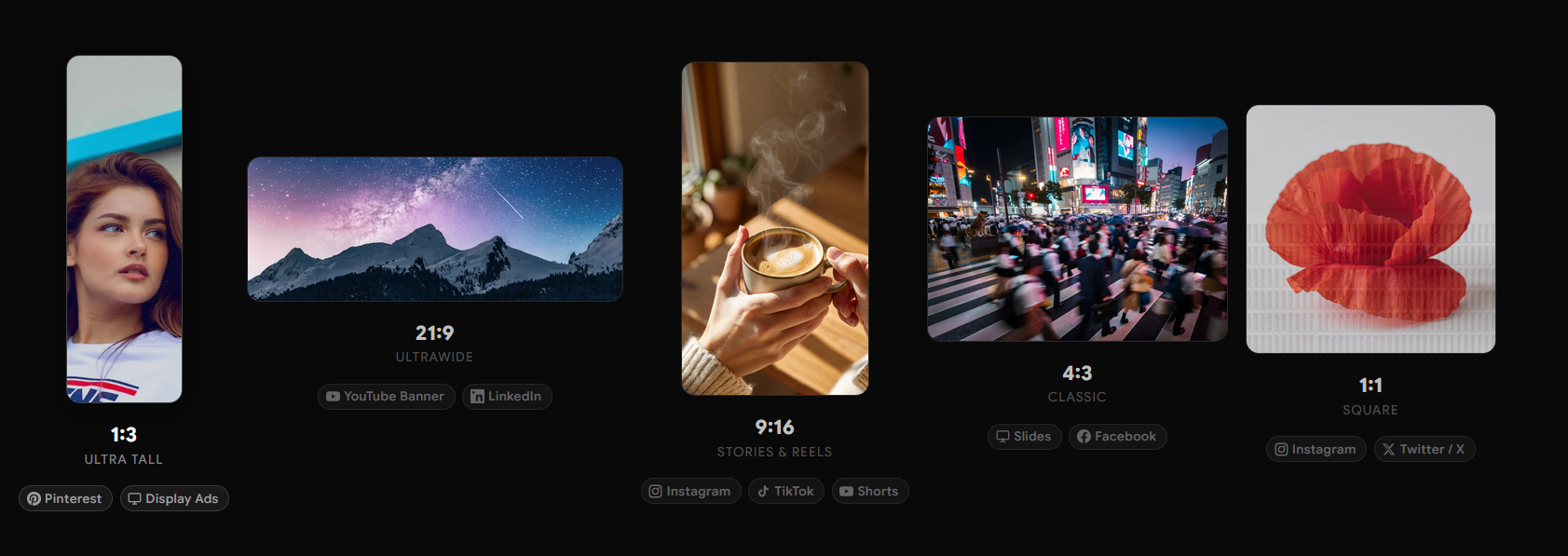 Ads at scale
- One output per generation session is a design tool.
- Dozens of variants per brief is an ad creative generator enterprises need.
2. Built-in Brand Consistency
If you truly wish a little freedom for your marketing and creative teams, give them a tool that remembers your brand. What’s the point if you create 50 advertisements and prompt 68 times to use a specific color palette?
In the best AI ad creative generators, brand parameters are encoded into the generation system at the workflow level.
Color palette, typography, model type, composition rules, style treatment, these should be locked by the brand manager once and reproduced automatically at every generation. Manual brand review at the asset level is not viable at production volume. A tool that enforces brand consistency structurally is a different category of product than one that generates outputs a human then reviews for brand compliance.
3. Commercial Security
ImagineArt’s sales team reported that enterprise teams struggle with two requirements that most AI tools don’t have:
- data security
- commercial usage of generated assets
SOC 2 Type II certification is the baseline for enterprise procurement. And most enterprise marketing teams can’t convince the decision-makers to deploy an AI ad creative generator if it’s not compliant.
Generated outputs need commercial use rights or IP indemnification to run in paid media without per-campaign legal review. AI ad creative generators without both create procurement and legal blockers that stop deployment before it starts.
4. Platform-ready Format Output
Ad creative generators should output the correct dimensions, text safe zones, and aspect ratios for each platform.
Meta portrait, TikTok vertical, Pinterest square, Stories format, YouTube banner, LinkedIn carousel, each has specific technical requirements. Look for a tool that gives you choice for aspect ratios.
5. Integration and Automation
The strongest AI ad creative tools connect directly to the platforms where ads are running. For example, ImagineArt has an MCP, Canva has an MCP and Adobe Firefly Enterprise also has an MCP.
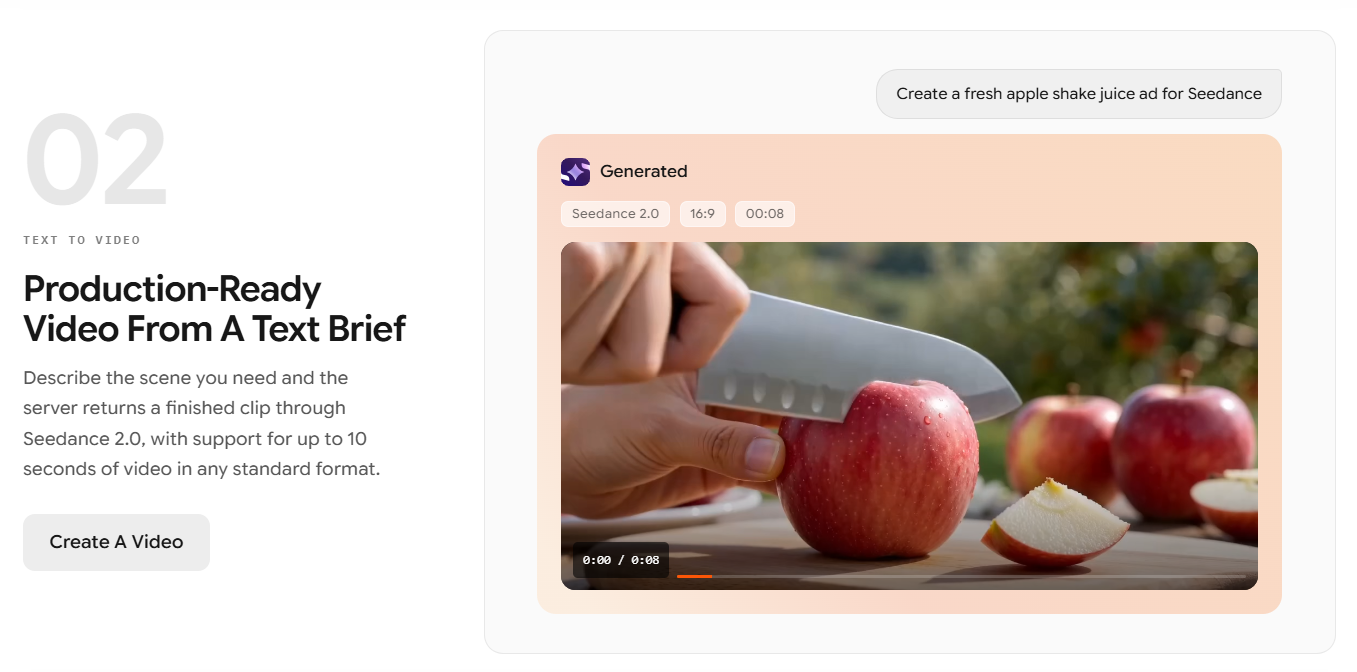 Creative Automation
This MCP support means Claude or another AI agent like Hermes, Cursor or OpenClaw, passes approved assets directly to Meta Ads, TikTok, or Google without manual upload. API access lets automation layers route assets to ad servers programmatically.
Ads at scale actually mean your marketing team doesn’t have to upload advertisements and write captions manually. This execution should be led end-to-end by AI ad creative generators.
6. Cost and Speed per Asset
A sizzle reel costs anywhere between $500-3000 with an agency.
An explainer video starts at $350 per minute.
A set of static image posts, say 15 posts per month start at $1000 package again with an agency.
AI ad creative generators that operate at production scale bring most assets under $5 each.
If you want an AI ad generator that truly challenges the economics of marketing, you need a tool that does 60 hours of creative production in 2.
Recommended Read: BuzzLab gets 60X creative output with ImagineArt
7. Workflow Reusability for Teams
Company-wide ad concepts, seasonal campaign templates, product launch frameworks, all of these should be reusable across teams and campaigns.
A tool with workflow-building capabilities lets teams save generation pipelines as reusable assets. One team builds the workflow. Every team in the company runs it. Ad concepts built for one campaign become the starting point for the next.
Best AI Ad Creative Generators — Detailed Overview
ImagineArt's ecosystem covers every format of ad creative production. Here are 6 tools for ads at scale:
1. AI Workflows and App Builder
AI Workflows let teams build and save repeatable generation pipelines. The brand manager configures the workflow once: model selection, style parameters, output format specifications, review routing. Content teams run the workflow with variable inputs — product, season, campaign angle — and the brand treatment reproduces identically every time.
The App Builder extends this further. Teams build lightweight internal tools on top of ImagineArt's generation capabilities: a product launch brief-to-ad tool, a seasonal campaign generator, a UGC-to-ad converter. Whole marketing departments run ad creative production through a single internal app without interacting with the underlying generation platform directly.
This is where ad concepts become reusable infrastructure. A fashion brand's seasonal campaign workflow runs identically in Q1 and Q4. A DTC brand's product launch workflow produces the same brand treatment across every launch. The workflow is the creative asset. It runs on demand, by anyone on the team.
2. Fashion Studio
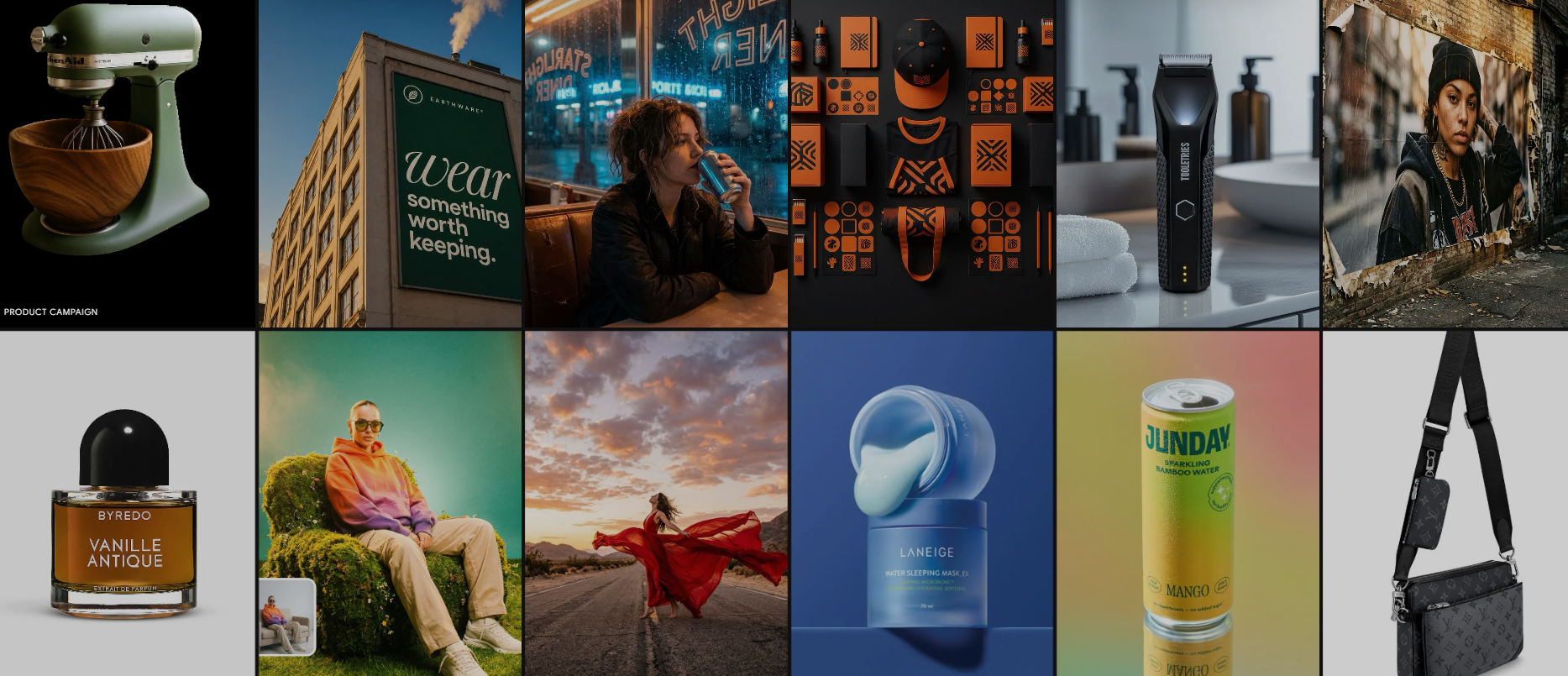
Fashion Studio generates fashion advertisement imagery, lifestyle photography, lookbooks, and digital runway content. It runs on models trained for fashion photography conventions: composition, lighting, model positioning, drape behavior, and color grading specific to fashion production.
Outfit-to-mannequin generation turns product images into styled model shots without a photoshoot. AI fashion models produce diverse, brand-aligned model imagery at scale. Lifestyle imagery places products in contextually appropriate settings from a single product shot.
For fashion brands, this removes the production cost of seasonal photoshoots. A brand running four seasonal campaigns previously required four photoshoots, plus ad adaptation for every platform. Fashion Studio generates the full asset library for each campaign from a brief and product images. The same generation run produces lookbook imagery, Meta ads, TikTok content, and Pinterest boards. One brief, full campaign creative coverage.
3. Ad Studio
Ad Studio generates image and video ads for paid media campaigns. The URL-to-ad feature takes a product URL, pulls product details and imagery automatically, and generates platform-ready ad variants without a manual brief.
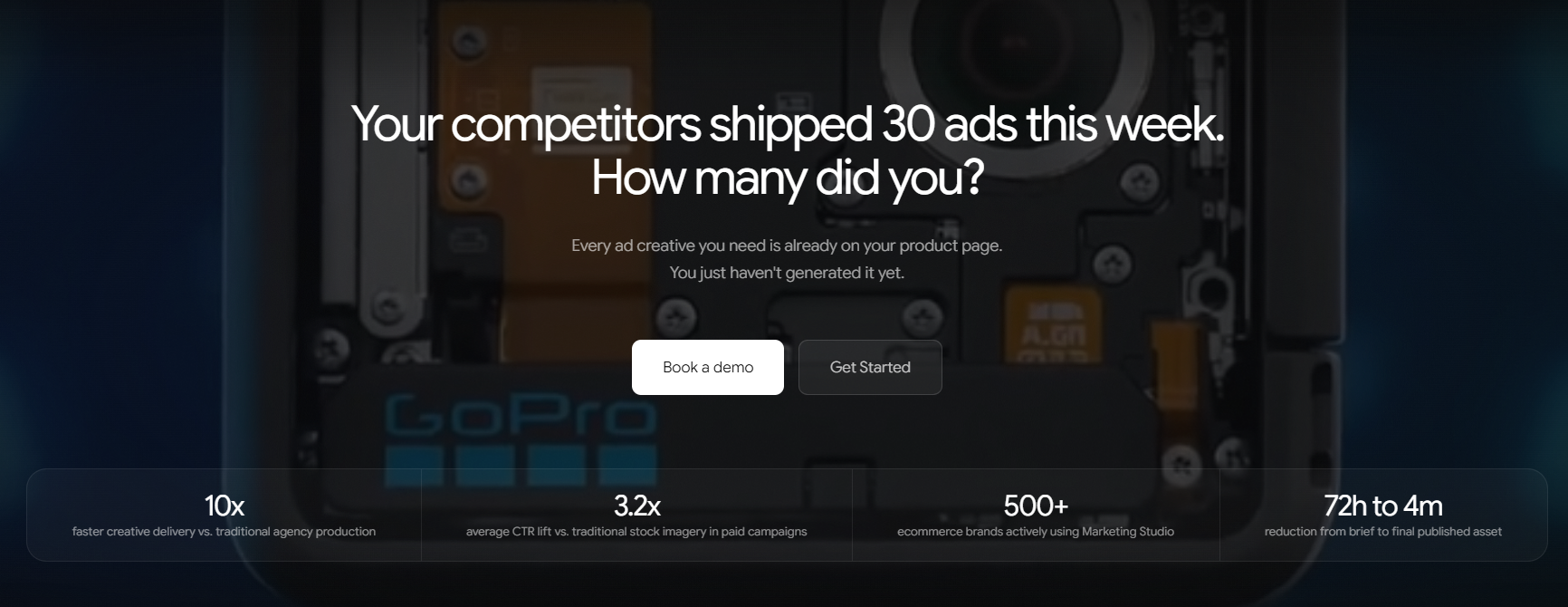 Ad Studio
This is the tool for retail, ecommerce, dropshipping, and DTC brands running continuous paid campaigns. A brand with a 500-product catalog generates ad creative for every product without a production team. The URL-to-ad feature reduces the brief step to a URL paste. Ad variants generate in correct dimensions for Meta, TikTok, Pinterest, and Stories with text safe zones per platform applied automatically.
Video ad generation produces short-form video creative from product images and brief inputs. For brands running video on TikTok and Instagram Reels, video generation at scale is what makes continuous creative testing viable. A single product generates multiple video treatments per brief. DCO systems test the variants and allocate spend automatically.
4. ImagineArt Enterprise
ImagineArt is the enterprise AI design platform and for marketing teams, it is the complete ad creative production platform for generating, managing, and automating ad creative at company scale.
The media kit centralizes brand assets: logos, color palettes, typography, approved product imagery, and campaign guidelines.
Every generation workflow pulls from the media kit. Brand-consistent output is a system property, enforced at the point of generation.
Workflow nodes lock brand parameters at the generation level. Brand managers configure style treatment, model type, and composition rules once. Content teams run workflows with variable campaign inputs. Creative directors approve batches. The approval chain is enforced by the workflow structure and cannot be bypassed at the prompt level.
Team collaboration is built in: multiple users, defined roles, shared workflow libraries, centralized asset management. The MCP server connects ImagineArt Enterprise to Claude and automation platforms, meaning Claude can call the platform directly from a campaign brief, generate the full asset batch, and route approved outputs to Meta Ads without a human opening ImagineArt.
SOC 2 Type II certified. Commercial use rights on all generated outputs. Scale plan: 40 seats at $350/month.
5. Film Studio
Film Studio generates commercial video content for brands that need production-quality output without a production crew.
Hollywood-style commercial video, product launches, brand campaigns, hero video for landing pages and YouTube, generates from brief inputs and product imagery. Film Studio outputs cinematic-quality video for premium ad placements where short-form social content does not meet brand standards.
For enterprise brands running video across connected TV, YouTube, and premium display, Film Studio covers the production formats that require studio-level quality. The economics shift: a production run that previously required a crew, location, and post-production budget generates from a brief and product assets.
6. AI Influencer
AI Influencer generates UGC-style video ads, the format that consistently outperforms polished brand creative in paid social performance benchmarks. UGC ads generate higher CTR and lower CPMs than brand-produced video across Meta and TikTok. Most brands cannot produce enough UGC at scale because authentic creator content is slow to source, negotiate, and produce consistently.
AI Influencer creates UGC-format video creative from product inputs. The output matches the creator-produced content aesthetic: authentic look, direct-to-camera format, low-production-value style, without requiring a real creator for each video. For DTC brands running UGC-style ads as their primary paid social format, AI Influencer generates the variant volume that makes creative testing viable and continuous.
Who should use ImagineArt Enterprise?
1. Fashion and apparel brands
Fashion Studio handles photoshoot replacement at campaign scale. Lookbooks, lifestyle imagery, model shots, and platform ad variants generate from a brief and product images.
2. Retail and ecommerce brands
Ad Studio's URL-to-ad feature generates product ads across the full catalog continuously. One URL per product. Platform-ready variants per generation run.
3. DTC brands
Ad Studio for image ads, AI Influencer for UGC, Film Studio for brand video. Full ad creative coverage from one platform.
4. Enterprise marketing teams
ImagineArt Enterprise covers the governance, security, and team collaboration requirements that block consumer AI tools from enterprise procurement. Media kit, brand-locked workflows, SOC 2 certification, commercial use rights, MCP integration.
 ads.png
5. Agencies
AI Workflows and the App Builder let agencies build brand-specific generation workflows for each client. Each client's workflow encodes their brand parameters. Production runs consistently across accounts without manual brand application at the asset level.
Answering the creative output volume question
Every team hits the same point: ad performance declines when creative goes stale, and producing enough fresh creative to stay ahead of creative burnout and fatigue is expensive. AI ad creative generators like ImagineArt have answered the creative supply problem. The cost and time that made variant volume impractical no longer apply.
Ready to put this into practice?
![What is Creative Burnout? [and 8 Tools to Help You Recover]](https://blogs-cdn.imagine.art/Creative_Burnout_FI_c0ad752bea.png)