Food marketing in 2026 rewards brands that produce more content, for more specific audiences, across more cultural contexts: without sacrificing the visual quality a visually demanding category demands. The production gap between franchise leaders and laggards has never been larger. For marketing teams navigating this environment, knowing which food marketing trends to prioritize is the first step: building the infrastructure to act on them is the second. These are the thirteen food marketing trends defining how the category competes in 2026.
AI Food Photography Replacing Expensive Studio Shoots
Food photography is one of marketing's most expensive and logistically complex production categories. Culinary specialists, food stylists, prop teams, photographers, and post-production editors all contribute to the production of a single set of food images: and the output has a limited shelf life before seasonal changes, menu updates, and promotional rotations require new material.
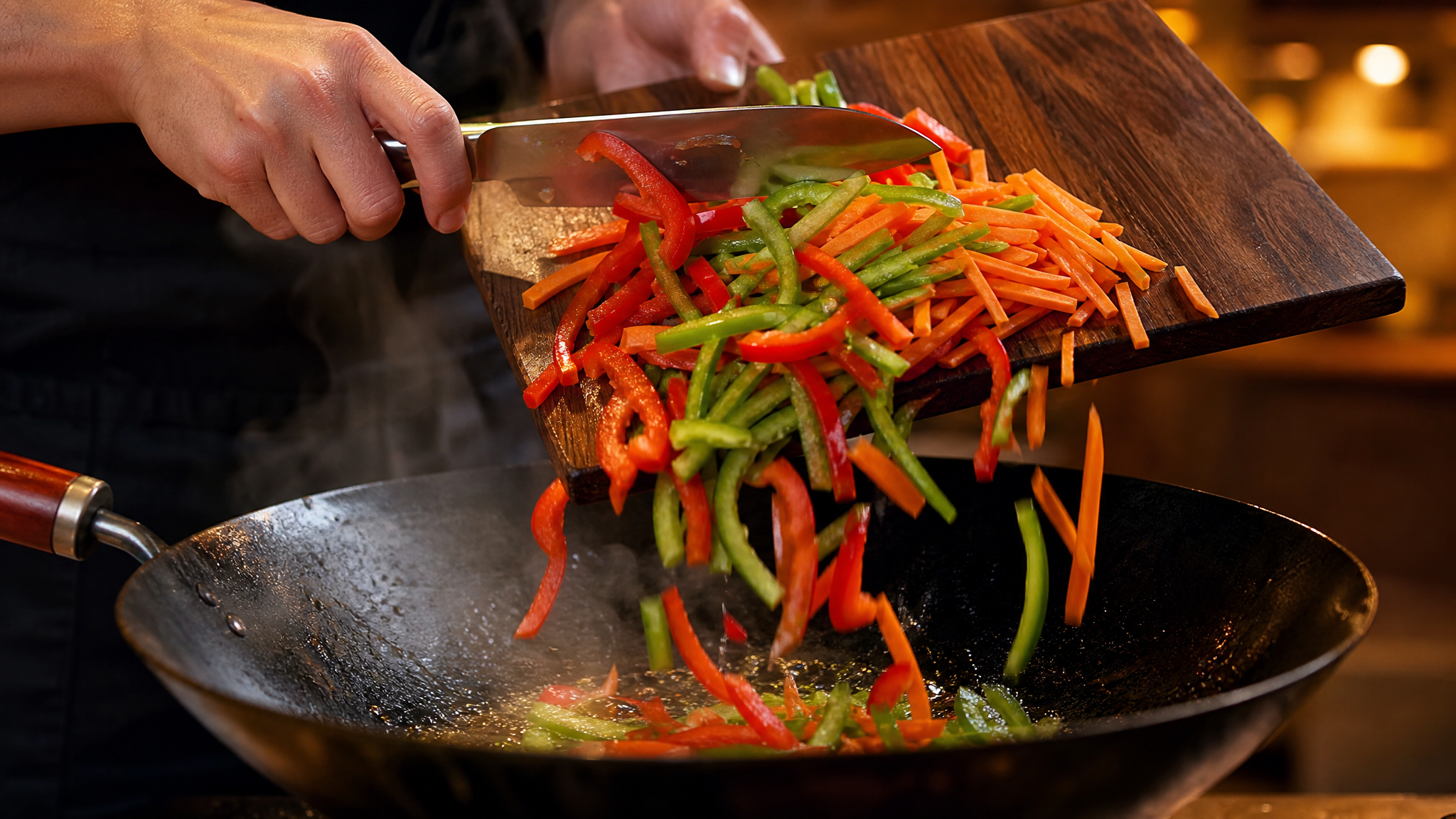
AI food photography is the most commercially transformative food marketing trend for franchise operators and CPG brands in 2026. AI-generated food photography is changing the economics of this entirely. Restaurant chains, food brands, and CPG companies generate photorealistic food imagery across menu items, seasonal variations, and promotional contexts without physical shoots. The quality is indistinguishable from studio photography for most marketing applications. The cost is a fraction. And the ability to show the same dish in different seasonal contexts, different daypart presentations, and different cultural table settings: without a single food stylist: is a creative capability that traditional photography cannot match.
AI Creative Production at Scale
Food and beverage enterprises: multi-location restaurant chains, CPG brands, food delivery platforms, and beverage companies operating across markets: generate creative demands that dwarf the production capacity of even large in-house marketing teams. Franchise systems with 500 locations, each with local promotional needs and national campaign requirements, cannot manually produce compliant, on-brand creative at that scale.
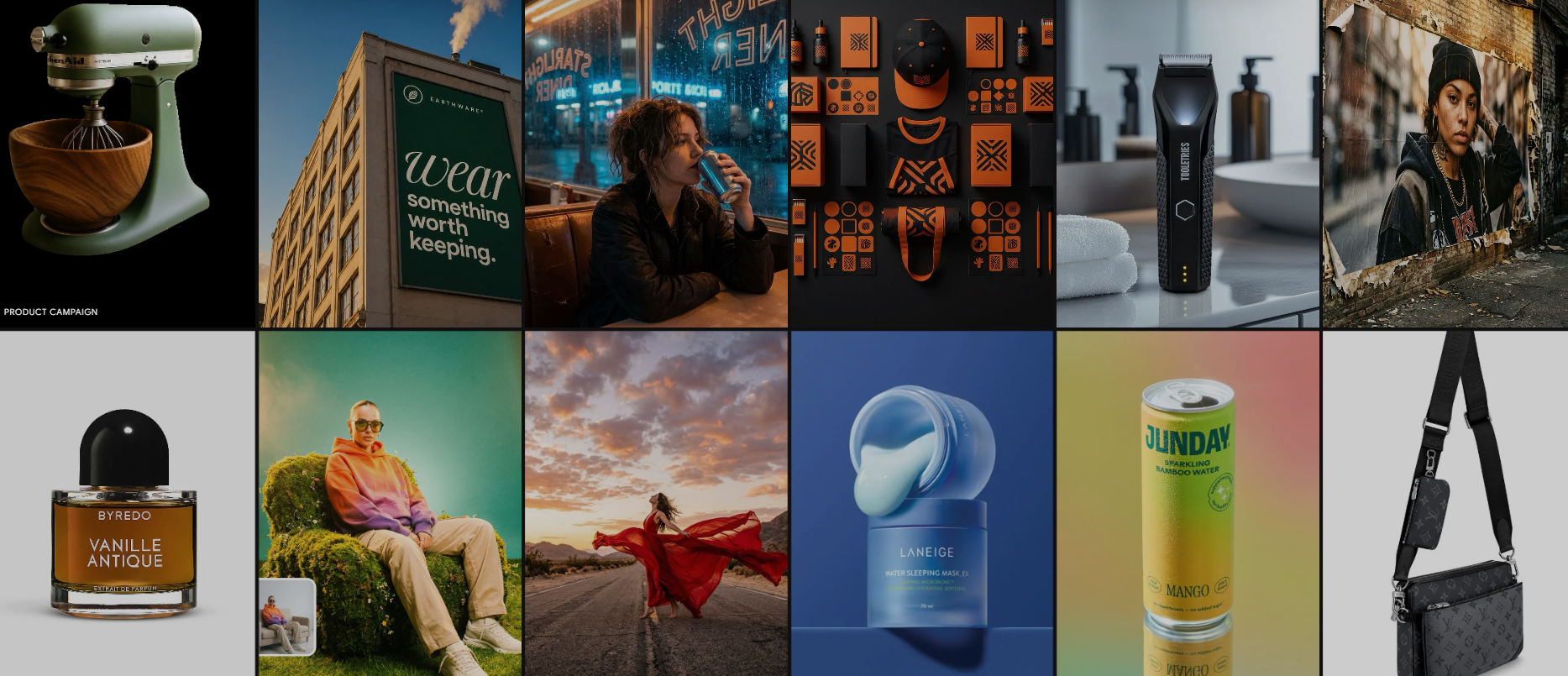
ImagineArt is the creative AI for enterprises that need to produce food and beverage creative at franchise scale. Marketing teams generate product imagery, promotional materials, seasonal campaign assets, and social content from structured briefs. Franchise operators produce locally relevant materials within brand-defined templates. AI creative production at scale makes both the enterprise campaign and the local execution simultaneously viable.
Franchise Brand Consistency Across Locations
Franchise brand consistency is one of food and beverage marketing's most persistent operational challenges and one of the food marketing trends with the most direct impact on system-wide brand equity. National brand campaigns establish the visual and messaging standard. Local franchisees produce their own promotional materials, social media content, and in-store displays: with widely varying results.
Design automation closes this gap. Franchise operators access brand-compliant template systems that allow them to produce location-specific promotional content: pricing, local offers, community events: within guardrails that maintain national brand standards. The enterprise marketing team gets brand consistency across the network. The franchisee gets marketing capability they could not otherwise afford.
CGI Seasonal and Limited-Time Offer Campaign Assets
LTO,, computer-generated imagery and seasonal campaigns are among food and beverage marketing's highest-performing commercial levers: and among its most demanding creative production requirements. A quick-service restaurant launching a seasonal menu item needs social media assets, email creative, in-store POP materials, digital menu board updates, and paid advertising: all simultaneously, all before the launch date, all on brand.
LTO campaign asset production is among the food marketing trends with the most measurable commercial impact. The food brands and restaurant groups that have built AI creative production into their LTO launch workflow are hitting launch dates with complete creative coverage across every channel. Those still relying on traditional production timelines are consistently launching with incomplete creative coverage: missing channels, reducing variant counts, or pushing launch dates to accommodate production backlogs. The commercial cost of incomplete LTO creative execution is measurable and avoidable.
Food Ecommerce Compounding
The food ecommerce channel is growing faster than any other food distribution format. Grocery delivery, meal kit subscriptions, specialty food DTC brands, and CPG brands building direct channels are all competing for the same consumer attention: and the brands winning are those producing the highest volume of the most relevant content across discovery channels.
Product imagery, lifestyle context photography, recipe video, and creator-led content are all essential inputs to food ecommerce content at scale. The food brands that have built AI creative infrastructure for their ecommerce channels are launching products faster, testing more creative angles, and maintaining higher visual quality across their full catalog than those still dependent on traditional production timelines.
UGC and Creator-Driven Food Content
Food is one of the most naturally shareable content categories. Among food marketing trends driven by earned media, creator-led content consistently delivers the highest reach-per-dollar of any channel in the category. The culture of food photography, recipe sharing, and restaurant discovery through social content is mature and self-sustaining: and the food brands that are tapping into it systematically are building distribution reach that paid media cannot replicate.
Creator partnerships in food and beverage range from individual recipe developers with dedicated audiences to food journalists with newsletter followings to TikTok creators whose food content consistently generates millions of views. The brands building systematic creator programs: with product seedings, content briefs, and performance-based commercial structures: are building owned and earned content distribution that amplifies every campaign dollar.
Short-Form Recipe and Lifestyle Video
Short-form recipe video is one of the most effective food marketing trends for brands building organic audience growth. The combination of useful information, visual appeal, and natural shareability makes recipe content uniquely suited to the short-form video environment: and the food brands that have made it a systematic part of their content program are building engaged audiences that convert to purchases.
Beyond recipe content, food lifestyle video: sourcing stories, culinary culture moments, restaurant behind-the-scenes content: builds brand connection that product-focused advertising cannot generate. The food brands that understand they are marketing a cultural identity as much as a product, and producing content that reflects that understanding, are building brand affinity that sustains through competitive and economic pressure.
Sustainability and Sourcing Transparency Storytelling
Consumer demand for supply chain transparency in food has moved from a premium segment concern to a mainstream consideration. Among food marketing trends shaping long-term brand differentiation, sourcing transparency storytelling is the most durable — because it builds trust that promotional content cannot manufacture and competitors cannot quickly replicate.
The food brands that communicate sourcing and sustainability credentials with specificity and visual quality: farm origin stories, production process transparency, supplier relationship documentation: are building trust with this consumer cohort that vague sustainability claims cannot generate. The visual quality of this storytelling matters. Authentic sourcing content that looks like afterthought content communicates afterthought commitment.
Packaging Redesign Visualization
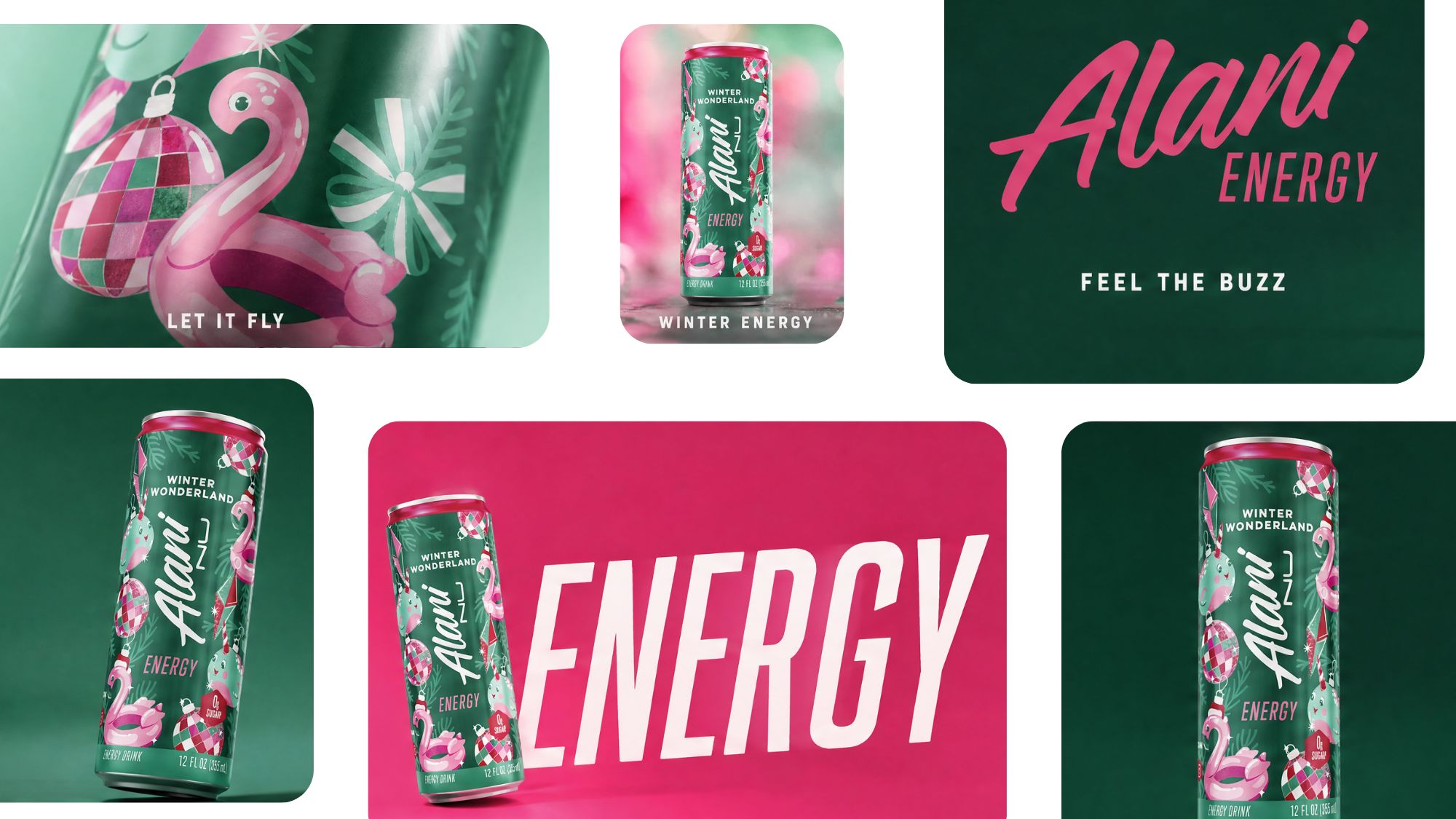
Packaging is the most constant and highest-frequency brand communication touchpoint in food and beverage. Among food marketing trends that affect brand perception at the point of sale, packaging redesign decisions carry the most commercial risk: and they have historically required expensive physical prototyping before commitment.
AI-generated packaging visualization is accelerating packaging development cycles by enabling food brands to explore and test multiple design directions at concept stage without physical production. Consumer research on packaging alternatives can now happen on AI-generated realistic product mockups rather than expensive physical prototypes. The brands using AI visualization to accelerate packaging development are reducing both the cost and the timeline of one of marketing's most consequential creative decisions.
Menu Innovation Content Programs
Menu innovation is a primary competitive lever in the restaurant category — and one of the food marketing trends where content investment most directly drives measurable commercial outcomes. The brands that market new menu items with the same creative quality as their core products are generating launch momentum that modest in-store signage cannot produce.
Restaurant marketing teams that have built systematic menu innovation content programs: with consistent creative briefs, platform-specific content, and coordinated launch timing: are making every menu innovation a genuine commercial event rather than a quiet product addition. The content investment in menu innovation pays back through trial, repeat purchase, and the social amplification that comes from launching something people genuinely want to talk about.
Health and Wellness Positioning in Food Creative
Health and wellness has become a primary consumer value in the food category: and the brands that communicate their health credentials clearly and attractively are capturing the preference of consumers who are actively managing their nutrition. Among food marketing trends shaping premium segment growth, health positioning has moved from a niche differentiator to a mainstream expectation across QSR, CPG, and DTC food brands.
The creative challenge is making health positioning aspirational rather than restrictive. Food content that frames healthy choices as deprivation rather than preference performs poorly with the audiences most likely to act on health claims. The brands that have found a visual and editorial language for health positioning that is genuinely appetizing: that shows healthy food as desirable rather than virtuous: are converting health-motivated consumers more effectively.
Cultural and Regional Flavor Storytelling
Food culture is one of the most powerful identity markers in the consumer economy: and the food brands that celebrate specific cultural food traditions, regional flavor profiles, and culinary heritage with authenticity and respect are building brand relationships with communities that generic multicultural marketing cannot approach.
Cultural food storytelling is among the food marketing trends that generate the most durable brand loyalty: and authentic engagement is immediately distinguishable from performative representation. The brands that invest in genuine cultural food storytelling are building loyal relationships with communities that have historically been underrepresented and underserved by mainstream food marketing. These relationships generate advocacy and loyalty that advertising cannot buy.
DTC Food and Beverage Brand Content Maturation
Direct-to-consumer food and beverage brands: subscription meal kits, specialty food purveyors, premium beverage brands, and health food companies selling direct: built their businesses on content-led growth. Among food marketing trends shaping the DTC segment, content sophistication is the clearest signal separating the brands that survived category consolidation from those that did not.
Mature DTC food content programs combine editorial-quality food photography, creator partnership distribution, retention-focused email creative, and brand storytelling that builds identity rather than just driving acquisition. The DTC food brands that understand content as long-term brand infrastructure: not just a customer acquisition tactic: are building the brand equity that justifies retail expansion and sustains through competitive pressure.
Build food and beverage marketing workflows that scale.
Empower your design and marketing teams with AI-powered creative production built for food and beverage — product photography, LTO campaigns, and franchise brand consistency at volume.
Ready to put this into practice?