Automotive marketing in 2026 sits at the intersection of a brand narrative transformation and a production economics revolution. The brands that have solved both problems simultaneously are pulling ahead in consideration, dealer activation, and market-specific relevance. Understanding which automotive marketing trends require infrastructure investment versus tactical response is the question every automotive marketing team faces this year. These are the seventeen automotive marketing trends defining the competitive gap in 2026.
Visual Storytelling for EV Transition
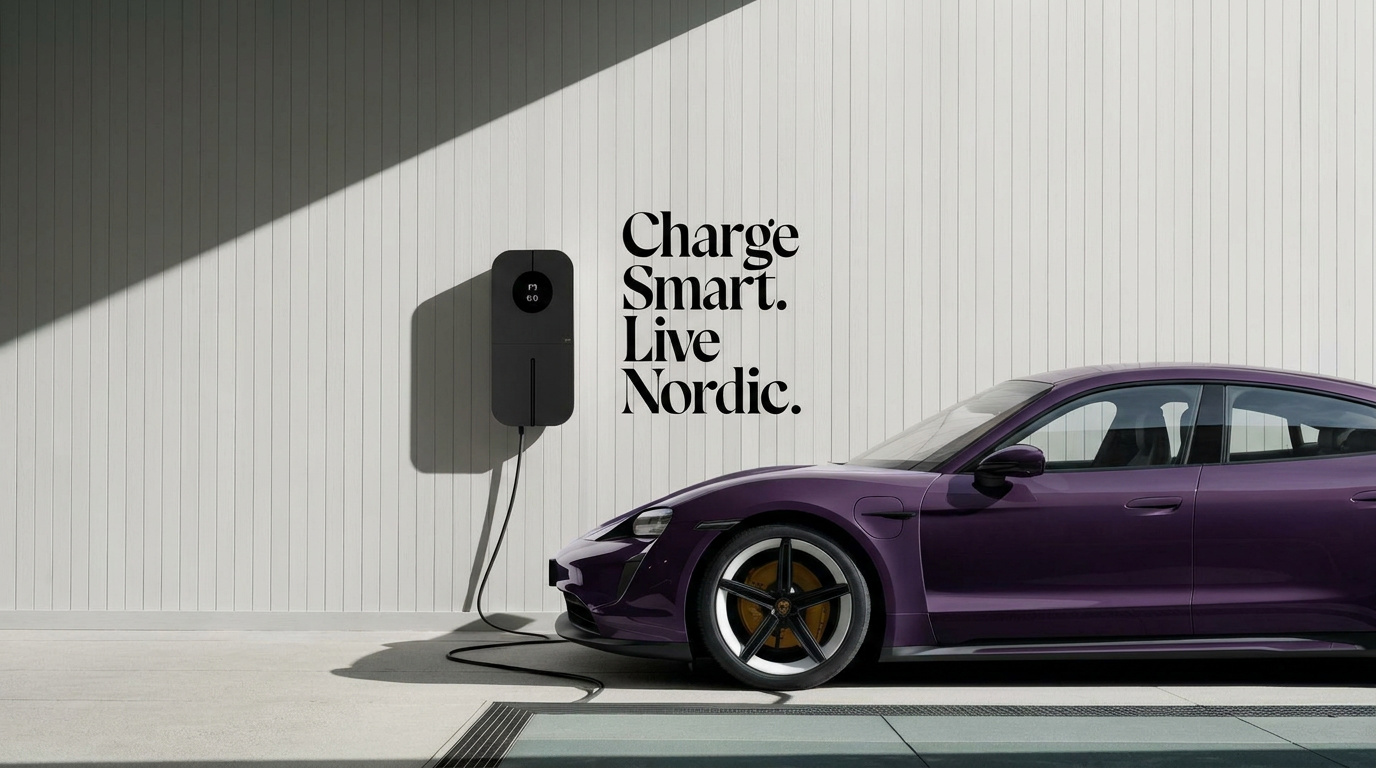
Electric vehicle marketing requires a different visual language than internal combustion vehicles. The performance cues that have anchored automotive advertising for decades: exhaust, mechanical sound, raw power: are absent. The new story is about technology, sustainability, silence, and a different relationship with driving. Among automotive marketing trends driven by product transformation, EV visual storytelling is the one with the most creative reinvention required. The automotive brands that have found a compelling visual language for this new story are winning consideration in the EV category. Those still trying to translate ICE marketing conventions into EV campaigns are creating a fundamental mismatch between product and message.
 Automotive marketing trends
The EV visual language that is working in 2026 focuses on lifestyle integration, technological sophistication, and environmental identity: the car as part of a coherent way of living rather than a mechanical achievement in isolation. Getting this storytelling right requires significant creative exploration, which is where AI-powered visual production is enabling automotive marketing teams to test and develop new aesthetic directions at a pace that traditional production cannot match.
AI Creative Production at Scale
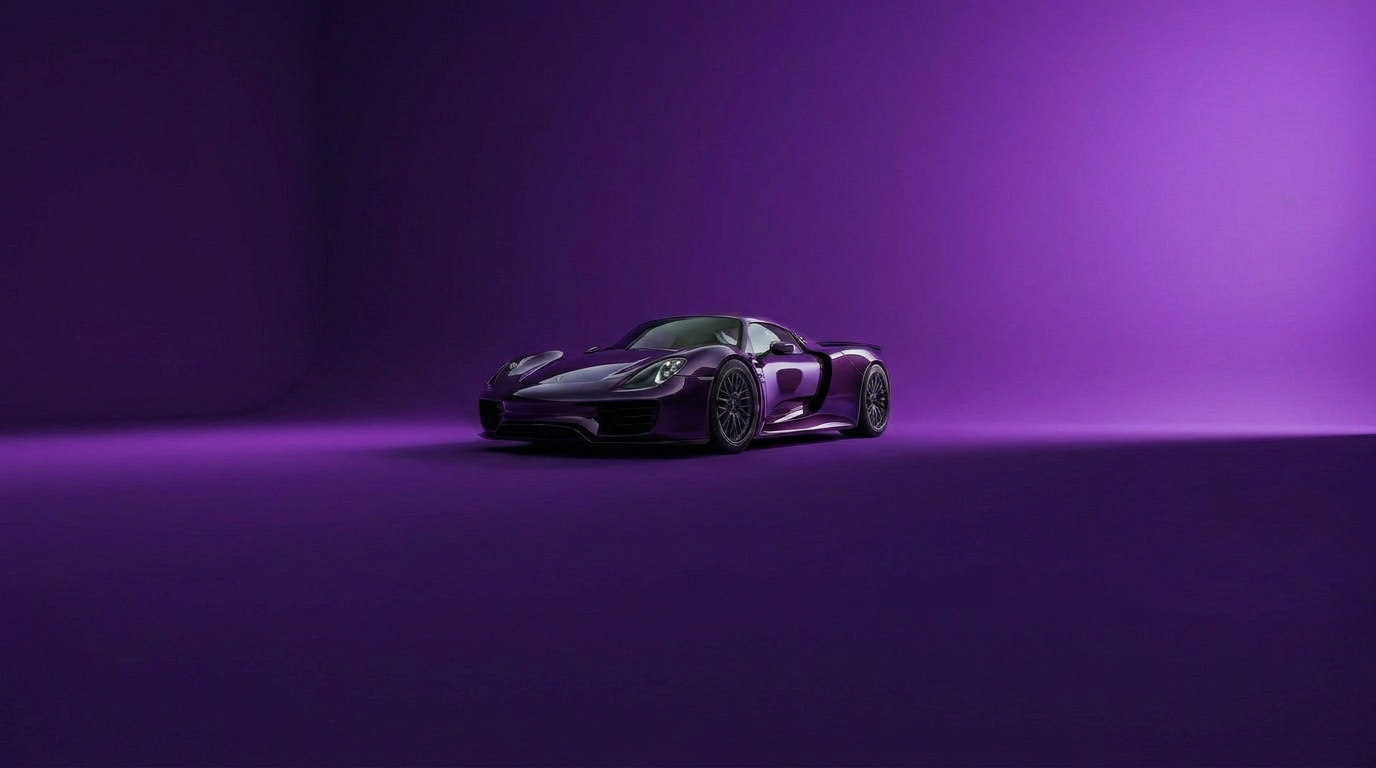
Automotive marketing produces one of the highest volumes of creative assets in any consumer category. A single model launch requires campaign hero images, trim-level specific visuals, color variant photography, lifestyle context imagery, digital ad variants across dozens of formats, dealer network materials, and localized campaign creative for each market — all produced simultaneously, all maintaining the visual integrity that automotive marketing demands.
ImagineArt is the creative AI for enterprises currently planning to close the ad production gap without a budget that that need to produce that output without a production budget that scales linearly with creative volume. Automotive marketing teams generate photorealistic vehicle imagery across color variants and environments without physical photoshoots, produce lifestyle context creative for different audience segments, and maintain brand visual consistency across dealer networks and markets. AI creative production at scale reduces both cost and time-to-market at every level of the campaign hierarchy.
Vehicle Customization and Visualization
Consumers buying vehicles want to see their specific configuration before committing to a purchase. The ability to visualize a vehicle in their chosen color, with their selected trim package, in a context that reflects their lifestyle is a conversion driver that generic product photography cannot replicate. This is one of the automotive marketing trends where the technology has matured faster than most brands have deployed it.
AI-powered vehicle visualization tools are making it possible for automotive brands to generate accurate, high-quality imagery of any vehicle configuration on demand: without a physical vehicle and a photographer. This capability is transforming the online purchase journey by eliminating the imagination gap between a specification sheet and a mental image of the actual product. The brands that have deployed this most effectively are seeing measurable increases in online configuration completion rates and purchase confidence.
Dealer Network Creative Consistency
Automotive brands distribute their products through dealer networks that simultaneously represent the brand and operate as independent businesses with their own marketing agendas. Dealer network creative consistency is among the automotive marketing trends with the highest commercial leverage — OEM-quality national campaign creative sitting alongside dealer-produced print ads that undermine the brand aesthetic is one of automotive marketing's most persistent and most fixable problems.
Design automation solves this at scale. OEM marketing teams build brand-compliant template systems that dealers populate with local information — pricing, inventory, location, promotional offers — and generate professional, on-brand marketing materials without independent design resources. The OEM gets brand control across the network. The dealer gets marketing capability they could not otherwise afford. The consumer gets a consistent brand experience from national campaign to dealer lot.
Video-First Product Launches and Model Reveals
The automotive product launch has transformed from a choreographed press event into a multi-platform digital content program. Model reveals are now designed as video content first — with platform-specific cuts for YouTube, social teasers, behind-the-scenes content, and live-streamed reveal events that generate audience participation from global markets simultaneously.
Video-first launches create more surface area for consumer engagement, more social sharing, and more search indexing than event-based launches with secondary digital coverage. The automotive brands that treat the video content strategy as the primary launch deliverable — rather than a support function for a physical event — are generating significantly more launch momentum per dollar of investment.
Performance Marketing Integrated with Brand Creative
Automotive marketing has historically separated brand investment from performance investment — brand campaigns building awareness and consideration, performance campaigns capturing demand at the point of purchase intent. In 2026, the most effective automotive marketing teams are dissolving that separation, with brand creative that is designed to perform in direct response channels and performance creative that maintains brand visual standards.
The convergence of performance and brand marketing is one of the most strategically important automotive marketing trends of 2026. Brand creative that performs in paid channels generates awareness and leads simultaneously. Performance creative that maintains brand standards builds consideration while capturing immediate intent. The automotive brands that have bridged this gap are reducing the inefficiency of operating two parallel creative programs for the same audience.
AI-Generated Campaign Variations per Model and Trim Level
A full automotive lineup may include 8 to 15 models, each available in 4 to 6 trim levels, each available in 10 or more colors — across multiple market regions. The combinatorial creative requirement this generates is enormous. Producing distinct, high-quality campaign creative for every meaningful configuration and market combination exceeds traditional production capacity.
AI creative generation makes it viable. Automotive marketing teams brief the campaign direction once and generate model-specific, trim-specific, and market-specific creative variations from that brief. The visual quality is consistent. The production timeline collapses. The brands that have built this capability are running more targeted, more relevant campaign creative across their full lineup than their competitors can match.
Lifestyle and Identity-Led Content Replacing Feature-Led Advertising
Feature-led automotive advertising: horsepower numbers, cargo volume specifications, safety ratings: is losing ground to content that positions the vehicle as an identity expression. Consumers, particularly younger buyers, are choosing vehicles that reflect who they are and who they want to be: not vehicles that win on specification comparisons. This shift is one of the automotive marketing trends most directly driven by generational change in the buyer base.
The automotive brands that have made the shift to identity-led content are building emotional connections that specification advertising cannot create. A campaign that shows who drives a vehicle: what they value, how they live, what they do on weekends: generates aspiration and brand affinity that feature lists cannot. This shift requires more creative sophistication and more audience insight, both of which are increasingly supported by AI-powered content production and research tools.
Subscription and Mobility Service Marketing Maturation
Automotive brands are no longer exclusively selling vehicles. Subscription services, fleet programs, mobility-as-a-service offerings, and software-defined vehicle features all require marketing approaches that the traditional automotive playbook was not built for. These are services, not products — and they require service marketing disciplines that automotive brands are still developing.
The brands that are building service marketing capabilities alongside their product marketing infrastructure are positioning for the revenue model shift that the automotive sector is undergoing. Recurring revenue from software, services, and subscriptions requires a different content strategy, a different customer relationship, and a different creative approach than one-time vehicle sales.
In-Dealership Digital Experience Design
The dealership remains the primary conversion point for automotive purchases — but the in-dealership experience has lagged the digital experience that consumers arrive with. Customers who have done hours of online research, configured their vehicle digitally, and engaged with high-quality campaign creative arrive at dealers that still rely on printed brochures and physical vehicle inventory to complete the sale.
In-dealership digital experience design — interactive configuration screens, digital storytelling about the brand and the specific vehicle, personalized presentations based on prior digital engagement — is closing this gap. The OEM brands investing in dealership digital infrastructure are improving close rates and reducing the friction that causes deal abandonment at the final stage of the purchase journey.
Used and Certified Pre-Owned Segment Content Growth
The certified pre-owned and used vehicle market represents a significant share of automotive revenue and an underserved content opportunity. Most automotive marketing investment focuses on new vehicle launches, leaving the CPO and used vehicle buyer segments without the quality content and brand storytelling they respond to.
CPO content investment is among the most overlooked automotive marketing trends: and one of the highest-margin opportunities in the segment. The automotive brands investing in CPO-specific content programs: quality storytelling, certification process transparency, ownership experience content: are building consideration and trust in segments that often deliver higher margins and stronger repeat purchase rates than the new vehicle market. AI creative production makes it economically viable to produce quality content for the CPO segment without diverting resources from new vehicle campaigns.
Global Model Launches with Localized Creative
Global automotive model launches are among the most complex marketing operations in any consumer category. The same vehicle launches in 30 or more markets simultaneously, each requiring locally adapted creative that reflects market-specific consumer preferences, regulatory requirements, and competitive contexts — while maintaining a globally coherent brand narrative.
AI-powered creative localization compresses the timeline and cost of global launch execution significantly. OEM marketing teams maintain creative control over the global launch concept while generating market-specific adaptations at a pace that manual localization cannot match. The automotive brands executing global launches with locally adapted creative in every market are building relevance and competitive position that single-language launch campaigns cannot achieve.
Omnichannel Retailing and the Seamless Purchase Journey
The automotive purchase has never been purely digital or purely physical: and in 2026 it is neither. Consumers research online, configure digitally, compare across platforms, and still want a human in the room when they sign. Among automotive marketing trends affecting purchase conversion, omnichannel retailing has the most direct impact on close rates. The automotive brands and dealer networks that have built genuinely seamless transitions between online and physical touchpoints are seeing measurably higher close rates and lower deal abandonment than those treating digital and in-person as separate channels.
The practical infrastructure of omnichannel automotive retailing includes virtual inventory walkarounds, online trade-in valuations, digital financing pre-qualification, and deal structuring tools that carry forward into the showroom visit rather than resetting it. Consumers who have done two hours of online research do not want to start from scratch when they arrive at a dealership. The brands and dealer groups that honour the digital journey in the physical experience are building the kind of trust that drives both the initial sale and the service relationship that follows.
Affordability, Hybrid Promotion, and the Total Cost of Ownership Conversation
Elevated vehicle prices and higher financing costs have fundamentally shifted what automotive marketing needs to say. The lifestyle luxury narrative that anchored automotive advertising through most of the last decade is being replaced by a more practical conversation: total cost of ownership, fuel savings, financing transparency, and the real economics of vehicle choice over a five-year horizon. This is one of the automotive marketing trends most directly shaped by macroeconomic conditions rather than technology shifts.
Hybrid and PHEV marketing has surged specifically because it bridges two anxieties simultaneously: the cost concern and the charging infrastructure concern. For buyers who want lower running costs but are not ready to commit to full EV dependency, hybrid is the rational choice, and the brands marketing it on those practical terms rather than on aspirational EV positioning are converting this segment more effectively. The creative shift is from aspiration to confidence: making the buyer feel intelligent about the decision rather than excited about a lifestyle image.
First-Party Data and AI Personalization Post-Cookie
The phasing out of third-party cookies has accelerated what the most sophisticated automotive marketing teams were already building: first-party data infrastructure that enables genuine personalization without relying on cross-site tracking. CRM systems connected to service history, previous purchase data, digital engagement behaviour, and financing records give automotive brands and dealer groups a remarkably detailed picture of each customer: one that third-party data never matched in accuracy or recency.
The brands using this data effectively are serving hyper-personalized messaging that reflects where each customer actually is: the owner whose lease ends in four months, the service customer whose vehicle is approaching a major mileage threshold, the configurator user who built three versions of a model but never requested a test drive. AI personalization at this level of individual relevance is producing response rates and conversion economics that generic campaign messaging cannot approach, and the automotive brands that have invested in the data infrastructure to enable it are building a durable competitive advantage in customer retention and repeat purchase.
Service-to-Sales Retargeting: Converting the Service Lane
The service lane is the most valuable and most underused marketing asset most automotive brands and dealer groups own. A customer bringing their vehicle in for scheduled maintenance is a known entity: their vehicle age, mileage, and service history are all on record, and that data tells a precise story about where they are in the ownership cycle and what their next vehicle decision timeline looks like.
Service-to-sales retargeting uses this data to fuel targeted marketing campaigns that reach service customers with precisely timed trade-in offers, upgrade incentives, and model-specific content at the moment their vehicle economics make a change financially logical. A customer whose four-year-old vehicle has just cleared its warranty and is approaching a significant service cost is a high-intent prospect: and the dealer who reaches them with a relevant, timely offer before they begin actively shopping is in a structurally different position than one who waits for the customer to enter the market independently. Among automotive marketing trends, service-to-sales retargeting consistently delivers the highest ROI per dollar of marketing spend because the audience is warm, known, and in a decision window that the brand has advance visibility into.
Build automotive marketing workflows that scale.
Empower your design and marketing teams with AI-powered creative production built for automotive — model variants, dealer network assets, and global launch creative without the production bottleneck.
Ready to put this into practice?